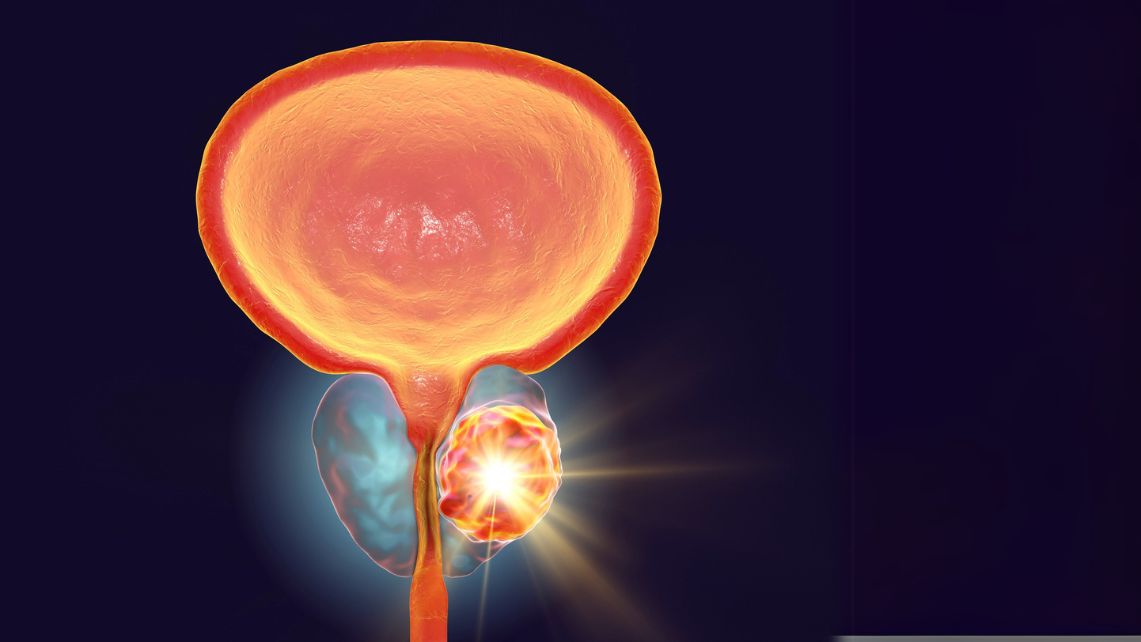
The University of Texas Medical Branch Department of Pathology is the first academic healthcare center in Texas to add an artificial intelligence-based-tool to its routine workflow for the diagnosis of prostate cancer.
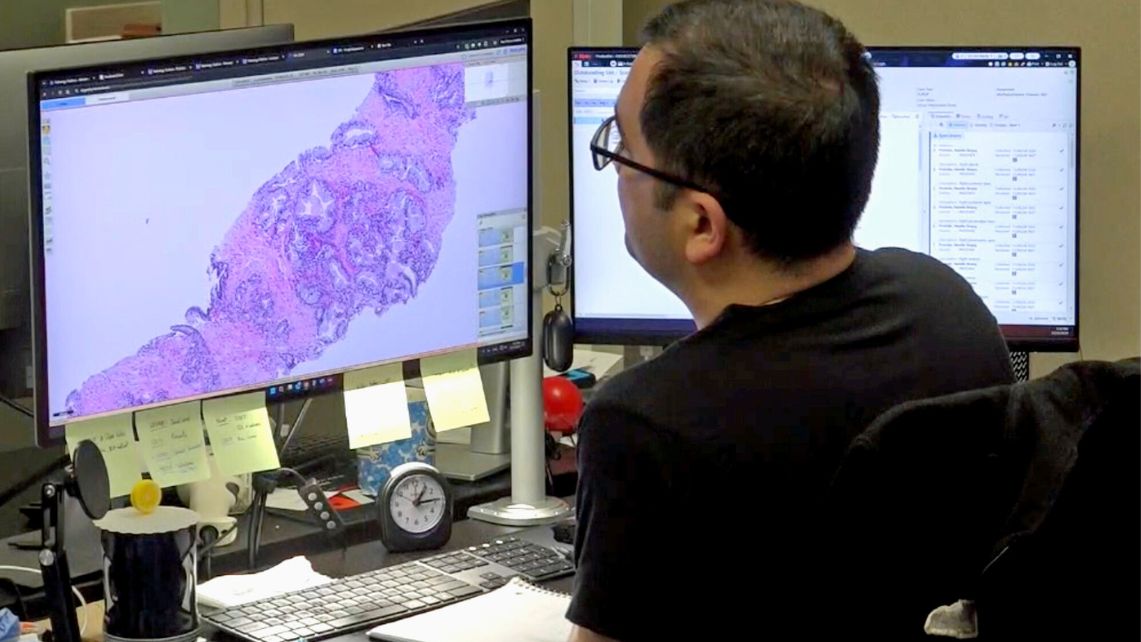
UTMB pathologists recently began using an AI-based tool from Ibex to create digital overlays of every prostate biopsy that comes through the lab.
Pathologists can examine these biopsy images on a computer screen, along with Ibex-generated colored overlays. This process allows pathologists to make more accurate diagnoses of prostate cancer, according to Dr. Harsh Thaker, vice chair for digital and integrative pathology.
In fact, Thaker said he has already seen the new tool pick up cancer missed by the human eye.
“Prostate cancer is legendary as being difficult to diagnose,” Thaker said. “Not because it is rare but because the cancer mimics normal tissue, so it becomes incredibly difficult for pathologists to make sure they are not missing that little malignant gland of prostate cancer lurking among the many benign glands that are always present in the prostate.”
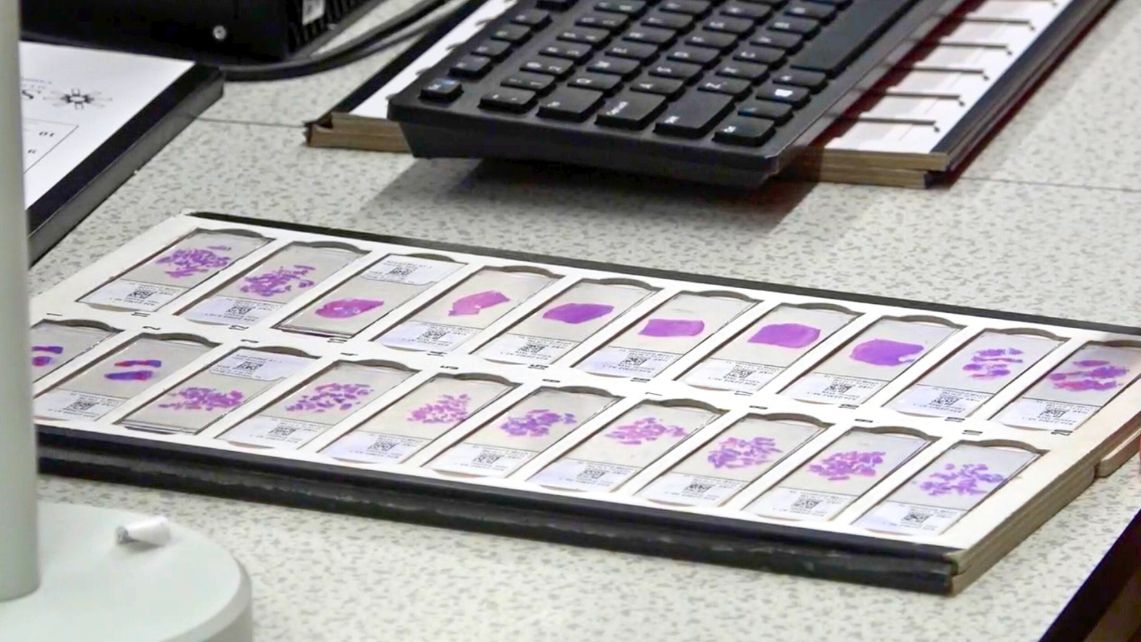
Thaker’s push to digitize the pathology lab in 2021 paved the way for this innovation. While most pathology workflows still entail pathologists with microscopes looking at biopsied tissue samples mounted and stained on glass slides, UTMB scans all prepared slides in the pathology lab. This provides pathologists with enhanced viewing capabilities.
Digitization allows the images to be quickly transmitted between labs and providers. In the past, the glass slides had to be shipped if a second opinion was requested, for example.
UTMB will soon be using the Ibex technology for breast biopsies as well, and other kinds of biopsies will be added over time, Thaker said.
Dr. Mike Laposata, chair of the pathology department, said patients will be the main beneficiaries of this innovation.
“Pathologists are human; when you have five tumor cells stuck away in the corner of a biopsy, it may be difficult to find them,” Laposata said. “Machines are fallible too, but if you put the two together the likelihood of missing a tumor now is virtually zero. To be one of the first academic medical centers in the United States to do this is remarkable.”
Both the ease of transmitting images and the improved diagnostic accuracy positions UTMB to be a leader in pathology, Thaker said.
“My mission is to always stay ahead of the curve,” Thaker said.
He said both the digitization of the lab and the adoption of the AI-driven application are important steps toward a more integrative approach to cancer.
Working the UTMB Diagnostic Center, Thaker and his team will soon offer a new product in the form of several customized reports and treatment recommendations.
“We can pull in a patient’s clinical notes, their lab values, their radiology, the AI of the radiology, their pathology, the AI of the pathology, their demographics and generate a comprehensive treatment plan based on relevant published guidelines for treating their disease,” Thaker said.
This product would include one doctor-to-doctor report and another report using layperson’s language for the patient.
“We are a very early adopter of these technologies,” Thaker said. “Our purpose is not just to improve the quality of our reports, but also to bring in consults to our institution. So, if a patient gets diagnosed with prostate cancer out in Beaumont, for example, they have a choice to get a second opinion and then possibly treatment at UTMB.”