


Muhie Dean Sabayon, MDKimberlyn Robinson, MDJeremy Somerson, MD

Excellence in Patient Care

Purpose and passion come together in every patient interaction at UTMB. Here, caregivers learn what exceptional care means and carry it forward—healing patients in our communities and around the world.

Educating the Future of Health

Our students learn by doing. Across five schools, students engage with global opportunities, pioneering research, and a network of peers and alumni who are redefining what’s possible in medicine.

Innovation Starts Here

Innovation at UTMB thrives through collaboration, technology, and a shared drive to turn ideas into impact. Connect with mentors, explore new ventures, and stay inspired by headline-making advances that shape the future of health.

Advancing Discovery

In state-of-the-art laboratories, we’re unlocking new knowledge that leads directly to better care and stronger communities.

Invest in
What's Next

Your support fuels the discoveries, learning, and care that define UTMB. Give Today 

News & Highlights

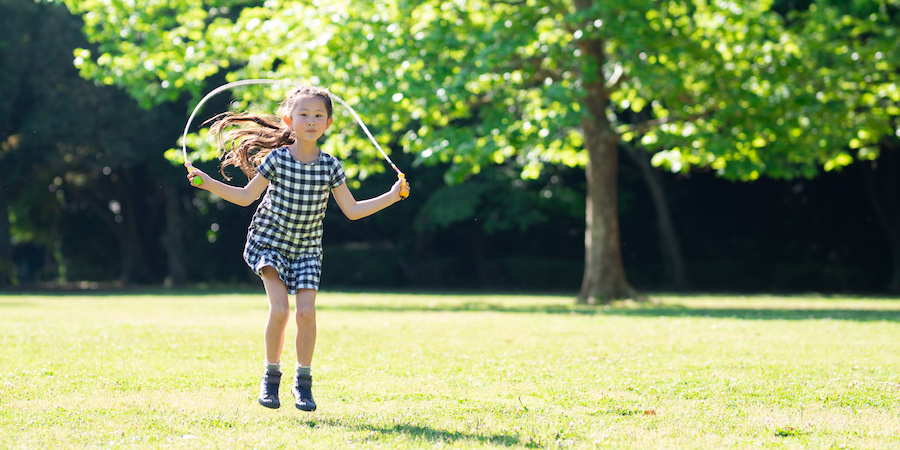
young brunette girl wearing a black and white checkered outfit jumps rope on grass with a tree in the background

Autistic adolescents in ‘Fit club’ showed improved fitness, executive function, social responsiveness

Even just low levels of daily physical activity can lead to significant improvements in fitness level, social responsiveness, cognitive flexibility, and planning and organizing abilities in autistic adolescents according to a recent study by Dr. Claudia Hilton, professor with the University of Texas Medical Branch Department of Occupational Therapy and Rehabilitation Sciences.

headshot of woman with blonde hair and a black outfit smiling

The 12-month study, conducted at a private school in Houston, required participants to do 35 minutes of low-to-moderate physical activity every day.

“Autistic adolescents often do not like to participate in physical activities,” said Hilton. “So, the results from this reduced effort are hopeful news for them and their parents.”

Investigators were intentional about the duration of the daily exercise, because currently, the U.S. Department of Health and Human Services recommends one hour or more of moderate to vigorous exercise daily for children and teenagers between the ages of six and 17.

Improvements were also noted in participants’ restrictive and repetitive behaviors, which encompass a wide spectrum of tendencies such as repetitive motor movements like hand flapping, rocking, or spinning; insistence on sameness such as strict adherence to routines or rituals; and intense focus on specific topics, objects, or activities; among others.

Full findings and study information have been published in the journal Research in Autism Spectrum Disorders.

Follow Our Journey

Shaping Health Today

Across Texas and beyond, we're transforming how communities experience care. From designing healing environments to expanding access and advancing discovery, our people bring innovation, compassion, and expertise together to improve lives every day.

Read More 

Through the Ages

Since 1891, UTMB has led Texas in health care, education, research, and innovation.

Our History 

Toward the Future

We’re building the next chapter in a story defined by progress, purpose, and care for all.

Our Plan 

Work With Purpose

Join a team driven by excellence and united in caring for others.