Supporting lifelong colon and rectal health
Your colon and rectal health are essential to your overall well-being. At UTMB Health, we provide comprehensive colorectal care, from preventive screenings and routine checkups to treatment for complex conditions. Our experienced gastroenterologists and colorectal specialists combine advanced technology with compassionate care, working closely with you to protect your digestive health and help you feel your best, today and in the future.
Conditions We Treat
Anal Fissures & Abscesses
Overview:
Anal fissures and abscesses are painful conditions affecting the anal region. Fissures are small tears in the anal lining caused by trauma or constipation, while abscesses are localized infections from blocked glands. Early recognition and treatment help relieve pain, promote healing, and prevent complications such as chronic fissures or fistula formation.
Common Symptoms:
Anal Fissures:
- Sharp pain during or after bowel movements
- Bright red blood on toilet paper or stool
- Burning or itching around the anus
- Visible tear or crack near the anal opening
- Anal sphincter spasms
Anal Abscesses:
- Constant, throbbing anal pain
- Swelling or redness near the anus
- Fever or chills
- Pus or drainage from the area
- Painful bowel movements
Treatments & Procedures:
Anal Fissures:
- Increased fiber and fluid intake
- Warm sitz baths
- Topical anesthetics or vasodilators (nitroglycerin, nifedipine)
- Botulinum toxin injections
- Lateral internal sphincterotomy for chronic fissures
Anal Abscesses:
- Incision and drainage under local or general anesthesia
- Antibiotic therapy (for systemic infection or high-risk patients)
- Warm sitz baths to promote healing
- Pain management and wound care
- Fistulotomy if a fistula develops
Chronic Constipation
Overview:
Chronic constipation is a long-term digestive condition characterized by infrequent, difficult, or incomplete bowel movements. It may result from dietary habits, medication use, lifestyle factors, or underlying medical issues affecting colon or pelvic function. Chronic constipation can significantly impact comfort and quality of life, often requiring medical evaluation to determine its cause and guide effective management.
Common Symptoms:
- Fewer than three bowel movements per week
- Hard, dry, or lumpy stools
- Straining during bowel movements
- Feeling of incomplete evacuation
- Abdominal bloating or discomfort
Treatments & Procedures:
- Increased dietary fiber and fluid intake
- Regular physical activity
- Over-the-counter or prescription laxatives
- Biofeedback therapy
- Pelvic floor retraining
- Manual disimpaction
- Surgery for severe or obstructive cases
Chronic Diarrhea
Overview:
Chronic diarrhea lasts more than four weeks and can result from infections, inflammatory bowel disease, malabsorption, or medications. It affects people of all ages and can lead to dehydration or nutrient deficiencies if untreated. Evaluating the underlying cause is essential to guide effective treatment.
Common Symptoms:
- Frequent loose or watery stools
- Urgency to use the restroom
- Abdominal cramping
- Bloating or gas
- Fatigue or dehydration
Treatments & Procedures:
- Medications to slow bowel movements or treat infection
- Dietary modifications (low FODMAP, avoiding triggers)
- Hydration and electrolyte replacement
- Treating underlying conditions
- Probiotics
Colorectal Polyps or Cancer
Overview:
Colorectal polyps are growths on the inner lining of the colon or rectum that can sometimes develop into colorectal cancer over time. Colorectal cancer occurs when abnormal cells in these areas grow uncontrollably, forming malignant tumors. Early detection through screening is essential, as many cases are treatable and even preventable when polyps are removed before becoming cancerous.
Common Symptoms:
- Changes in bowel habits (diarrhea or constipation)
- Blood in stool or rectal bleeding
- Abdominal pain or cramping
- Unexplained weight loss
- Fatigue or weakness
- Iron-deficiency anemia
Treatments & Procedures:
- Polyp removal during colonoscopy
- Endoscopic mucosal resection
- Surgical resection of affected bowel segments
- Chemotherapy
- Radiation therapy
- Targeted or immunotherapy
- Routine colonoscopy for screening and surveillance
Diverticulitis
Overview:
Diverticulitis happens when small pouches in the colon, called diverticula, get inflamed or infected. It is more common in adults over 40 and people who eat a low-fiber diet. Symptoms can include abdominal pain, fever, and changes in bowel habits. Getting treatment early can help prevent serious problems, such as infections, abscesses, or a tear in the colon, and support a faster, safer recovery.
Common Symptoms:
- Abdominal pain (usually lower left side)
- Fever or chills
- Nausea or vomiting
- Changes in bowel habits
- Tenderness in the abdomen
Treatments & Procedures:
- Antibiotics for infection
- Clear liquid diet during flare-ups
- Pain management
- Surgery for recurrent or complicated cases
- Drainage of abscesses if necessary
Diverticulosis
Overview:
Diverticulosis is the presence of small pouches (diverticula) in the colon, often caused by aging or low-fiber diets. Most people have no symptoms, but it can increase the risk of diverticulitis if the pouches become inflamed or infected.
Common Symptoms:
- Usually asymptomatic
- Occasional mild abdominal cramping
- Bloating or gas
- Changes in bowel habits
Treatments & Procedures:
- High-fiber diet to prevent complications
- Adequate hydration
- Routine monitoring
- Medications for mild discomfort
- Surgery rarely if complications occur
Fecal Incontinence
Overview:
Fecal incontinence is the involuntary loss of stool or gas due to weakened anal sphincter muscles, nerve damage, or bowel dysfunction. It can range from minor leakage to complete loss of control and may result from childbirth, surgery, aging, or chronic diarrhea. The condition affects both physical comfort and emotional well-being, requiring individualized treatment to improve bowel control and quality of life.
Common Symptoms:
- Involuntary leakage of stool or mucus
- Urgency or inability to control bowel movements
- Soiling of undergarments
- Anal irritation or rash
- Social embarrassment or anxiety
Treatments & Procedures:
- Dietary fiber modification and stool regulation
- Pelvic floor exercises and biofeedback therapy
- Medications to control stool consistency
- Injectable bulking agents
- Sacral nerve stimulation
- Sphincter repair or reconstructive surgery (in severe cases)
Hemorrhoids
Overview:
Hemorrhoids are swollen veins in the lower rectum or anus that can cause pain, itching, bleeding, and discomfort. They may develop from straining during bowel movements, chronic constipation, pregnancy, or prolonged sitting. Hemorrhoids are common and often mild, but persistent or severe cases may require medical or surgical treatment to relieve symptoms and prevent recurrence.
Common Symptoms:
- Bright red bleeding during or after bowel movements
- Itching or irritation around the anus
- Pain or discomfort when sitting
- Swelling or a lump near the anus
- Mucus discharge or soiling
Treatments & Procedures:
- Increased fiber and fluid intake
- Sitz baths to reduce discomfort
- Topical creams, ointments, or suppositories
- Rubber band ligation
- Sclerotherapy or infrared coagulation
- Hemorrhoidectomy for severe or persistent cases
Irritable Bowel Syndrome (IBS)
Overview:
IBS is a chronic gastrointestinal disorder affecting the large intestine, with symptoms varying by subtype. It is influenced by diet, stress, gut motility, and sensitivity. IBS can affect adults of any age, often beginning in young adulthood. Subtypes include:
- IBS-D (diarrhea-predominant)
- IBS-C (constipation-predominant)
- IBS-M (mixed)
- IBS-U (unclassified)
Common Symptoms:
- Abdominal pain or cramping
- Bloating and gas
- Diarrhea (IBS-D) or constipation (IBS-C)
- Alternating diarrhea and constipation (IBS-M)
- Urgency or incomplete bowel movements
Treatments & Procedures:
- Dietary changes (low FODMAP, fiber adjustments)
- Medications for diarrhea or constipation
- Stress management and behavioral therapy
- Probiotics
- Medications to reduce abdominal pain or bloating
Rectal Bleeding
Overview:
Rectal bleeding refers to the passage of blood through the anus, often noticed in the stool or on toilet paper. It can result from various conditions, including hemorrhoids, anal fissures, diverticular disease, or colorectal polyps and cancer. While mild bleeding is often benign, persistent or heavy bleeding requires medical evaluation to identify the source and prevent complications such as anemia.
Common Symptoms:
- Bright red or dark blood in the stool or toilet
- Blood on toilet paper after wiping
- Abdominal discomfort or cramping
- Weakness or fatigue from blood loss
- Dizziness or lightheadedness (in severe cases)
Treatments & Procedures:
- Evaluation via colonoscopy or sigmoidoscopy
- Treatment of the underlying cause (e.g., hemorrhoids, fissures, polyps)
- Endoscopic cauterization or clipping for bleeding sites
- Iron supplementation or transfusion (if anemic)
- Surgery for persistent or severe bleeding
Services & Procedures
Anorectal Manometry
Overview:
Anorectal manometry is a diagnostic test that measures the strength, coordination, and sensation of the muscles in the rectum and anus. A thin, flexible catheter with sensors is inserted into the rectum to record pressure changes during rest, squeezing, and pushing. This helps evaluate how well the rectum and anal sphincter work together to control bowel movements.
Conditions Evaluated:
- Chronic constipation or difficulty passing stool
- Fecal incontinence (loss of bowel control)
- Pelvic floor dysfunction or dyssynergia
- Hirschsprung’s disease (especially in children)
- Post-surgical or nerve-related bowel control issues
Before the Procedure:
You'll be asked to use an enema a few hours before the test to empty the rectum. No sedation is needed. Medications affecting bowel function may be paused per physician instructions. The procedure is done on an outpatient basis and takes about 30 minutes.
After the Procedure:
Normal activities can usually be resumed immediately. Mild temporary discomfort or a feeling of fullness may occur but resolves quickly. Results are reviewed to identify muscle or nerve problems contributing to constipation or incontinence, guiding personalized treatment such as biofeedback therapy, dietary changes, or pelvic floor retraining.
Cologuard
Overview:
Cologuard is a noninvasive, at-home screening test used to detect signs of colorectal cancer and certain precancerous polyps. It works by analyzing a stool sample for abnormal DNA and hidden blood. This test is intended for average-risk adults and helps identify potential issues early, often before symptoms develop.
Conditions Tested:
- Colorectal cancer
- Precancerous colon polyps (advanced adenomas)
- Occult (hidden) blood in the stool
Note: Cologuard is a screening tool, not a diagnostic procedure. Abnormal results require follow-up testing, typically a colonoscopy.
Before the Test:
- No bowel prep is required
- No dietary or medication restrictions are typically needed
- You’ll receive a collection kit with instructions
- Inform your provider if you have symptoms (like rectal bleeding) or a personal/family history of colorectal cancer, as this test may not be appropriate
After the Test:
- Send the sample to the lab using the provided packaging
- Results are usually available within a few weeks
- Normal results: continue routine screening as recommended (typically every 3 years for average-risk individuals)
- Abnormal results: a follow-up colonoscopy is needed to confirm findings
- No recovery time or activity restrictions are required
Colon Cancer Screening
Overview:
Colon cancer screening helps detect colorectal cancer and precancerous polyps early, often before symptoms appear. Regular screening greatly improves prevention and treatment outcomes. Several options are available (listed below), which allow doctors to view and remove polyps in one procedure. Screening usually begins at age 45,or earlier for those with higher risk.
*Screening Types:
- Colonoscopy: Common procedure used to examine the lining of the large intestine (colon) and rectum with a flexible tube with a camera (colonoscope). For average-risk individuals, a colonoscopy is recommended every 10 years, starting at age 45.
- High-sensitivity fecal occult blood test (FOBT): Non-invasive screening tool designed to detect microscopic amounts of blood in the stool that aren't visible to the naked eye. For average-risk individuals, this test should be performed annually.
- Flexible sigmoidoscopy: Diagnostic and screening procedure that allows a physician to examine the lower part of the large intestine, specifically the rectum and sigmoid colon. For average-risk individuals, if flexible sigmoidoscopy is chosen as the primary screening method, it's typically recommended every 5 to 10 years.
*Colon cancer screenings are performed by a member of the General Gastroenterology team at our Endoscopy locations.
Conditions Identified:
- Colorectal cancer
- Precancerous polyps (adenomas)
- Inflammation from inflammatory bowel disease (IBD)
- Diverticulosis or diverticulitis
- Colonic bleeding sources
- Colonic strictures or narrowing
- Infections or ischemic changes
Before the Procedure:
You’ll receive detailed instructions to prepare your colon so your doctor can see it clearly during the procedure. Preparation typically includes following a special diet, avoiding certain medications, and taking a bowel-cleansing solution the day before. You’ll also arrange for someone to drive you home, since you’ll be sedated during a colonoscopy.
After the Procedure:
You’ll spend a short time in recovery as the sedation wears off. Mild bloating or cramping is normal. If a colonoscopy was performed, your doctor will review any findings and let you know when to expect results. Most people can return to normal activities the next day.
Colonoscopy
Overview:
A colonoscopy allows your provider to examine the inside of the large intestine using a long, flexible tube with a light and tiny camera. During the procedure, the scope is gently inserted through the rectum and advanced through the colon while air or carbon dioxide is used to expand the space for clear viewing.
Polyps may be removed, and small tissue samples can be collected for testing. This helps detect bleeding, inflammation, or precancerous growths early, often preventing colorectal cancer and guiding treatment for chronic digestive issues.
Conditions Diagnosed:
- Colorectal cancer and polyps
- Inflammatory bowel disease (IBD)
- Unexplained bleeding or anemia
- Chronic diarrhea or constipation
Before the Procedure:
You’ll follow detailed bowel prep instructions using a special diet and laxatives to clear the colon. Fasting is required the night before. Visit the Colonoscopy Services page for more information.
After the Procedure:
You’ll recover as the sedation wears off. Mild cramping or bloating may occur briefly. Results are reviewed and discussed before you go home.
Colorectal Surgery
Overview:
Colorectal surgery involves surgical treatment of diseases affecting the colon, rectum, and anus. Procedures may be performed using minimally invasive, laparoscopic, or robotic techniques to remove diseased tissue, repair damage, or restore normal bowel function. Colorectal surgeons treat both benign and malignant conditions, working to relieve symptoms, prevent complications, and improve quality of life.
Conditions Treated:
- Colorectal cancer and polyps
- Diverticulitis and diverticular disease
- Inflammatory bowel disease
- Colorectal obstruction or perforation
- Rectal prolapse
- Anal fistulas, fissures, or abscesses
- Severe hemorrhoids or bleeding
- Bowel incontinence or trauma
Please note, some conditions require a colorectal surgeon to perform.
Before the Procedure:
Preparation depends on the surgery type but often includes bowel cleansing, fasting, and medication adjustments. Imaging or lab tests are used to plan treatment. Patients meet with anesthesia and surgical teams to discuss expectations, risks, and recovery.
After the Procedure:
Hospital stay and recovery time vary by procedure. Patients may experience temporary pain, fatigue, or bowel changes. Gradual return to normal diet and activity is encouraged under medical guidance. Follow-up includes wound care, symptom monitoring, and long-term management for healing and bowel function restoration.
Your Care Team
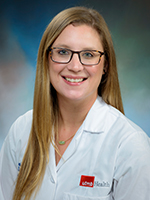
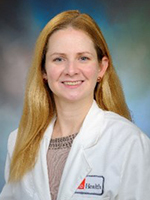
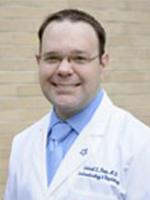
Each provider may treat different conditions. Click on a profile to see their areas of specialty.
Frequently Asked Questions.
-
Why is colorectal health important?
The colon and rectum play a key role in digestion and waste removal. Keeping them healthy helps prevent conditions such as polyps, hemorrhoids, inflammatory diseases, and colorectal cancer.
-
When should I get a colonoscopy?
Most adults should begin screening at age 45. If you have a family history of colorectal cancer or other risk factors, your doctor may recommend earlier or more frequent screenings
-
What are signs that I should see a doctor for a colorectal condition?
Contact your provider if you notice blood in your stool, persistent abdominal pain, changes in bowel habits, unexplained weight loss, or ongoing constipation or diarrhea.
-
How can I lower my risk of colorectal cancer?
A healthy lifestyle can reduce the risk of colorectal cancer. Eat a diet high in fiber, fruits, and vegetables; stay active; avoid smoking and excess alcohol; and maintain a healthy weight. Routine screenings are also critical for early detection.
-
What treatments are available for colorectal conditions?
Depending on the condition, treatments may include dietary changes, medications, minimally invasive procedures, or surgery. Your care plan will be tailored to your individual needs.
All Gastroenterology Specialties
Our Locations
- 1005 Harborside Drive
6th Floor - M–F: 8 a.m.–5 p.m.
- (409) 772-0122
- (409) 747-0777
- Website
- 2240 Gulf Freeway South
Suite 2.110 - M–F: 8 a.m.–5 p.m.
- (832) 505-1600
- (281) 309-0147
- Website
- 2660 Gulf Freeway South
Entrance B - M–F: 8 a.m.–5 p.m.
- (832) 505-2350
- (281) 337-0719
- Website
- 17448 Highway 3
2nd Floor - M–F: 8 a.m.–5 p.m.
- (832) 505-1600
- (832) 905-6948
- Website
- 1715 South Friendswood Drive, 4th Floor
- M–F: 8 a.m.–5 p.m.
- (832) 505-1600
- (281) 482-3963
- Website
- 250 Blossom Street
2nd floor, Suite 230 - M–F: 8 a.m.–5 p.m.
- (832) 505-1600
- (832) 553-0292
- Website