Conditions We Treat
Services & Procedures
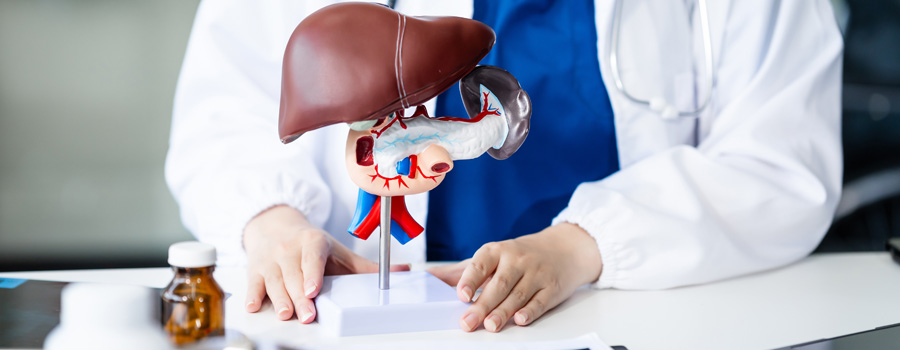
Each provider may treat different conditions. Click on a profile to see their areas of specialty.


Frequently Asked Questions.
-
When should I see a hepatologist?
You may need a hepatology evaluation if you have abnormal liver blood tests, unexplained jaundice, chronic hepatitis, or symptoms like persistent fatigue, abdominal swelling, or dark urine.
-
What tests are used to check liver health?
Common tests include blood work (liver function tests, viral markers, autoimmune tests), imaging (ultrasound, CT, MRI, FibroScan), and sometimes a liver biopsy.
-
Can liver disease be cured?
Some liver conditions are reversible if treated early, such as hepatitis C or fatty liver disease with lifestyle changes. Others can be managed to slow progression, while advanced cases may require liver transplantation.
-
What lifestyle changes help protect the liver?
Avoiding excess alcohol, maintaining a healthy weight, exercising regularly, controlling diabetes or cholesterol, getting vaccinated for hepatitis A and B, and avoiding unnecessary medications or supplements can all protect liver health.
-
How is hepatitis B different from hepatitis C?
Both are viral infections that damage the liver. Hepatitis B can often be controlled but not always cured; hepatitis C is now highly curable with modern antiviral treatments.
-
When is a liver transplant considered?
A transplant may be recommended when the liver is too damaged to function properly, such as in advanced cirrhosis, liver failure, or certain cancers. UTMB Health specialists help patients through the evaluation and referral process.
-
What should I bring to my first hepatology appointment?
Bring your medical records, a list of medications and supplements, prior test results, and details about alcohol or medication use. This helps your care team understand your health history and provide the best care.
- 1005 Harborside Drive
6th Floor - M–F: 8 a.m.–5 p.m.
- (409) 772-0122
- (409) 747-0777
- Website
- 2240 Gulf Freeway South
Suite 2.110 - M–F: 8 a.m.–5 p.m.
- (832) 505-1600
- (281) 309-0147
- Website
- 2660 Gulf Freeway South
Entrance B - M–F: 8 a.m.–5 p.m.
- (832) 505-2350
- (281) 337-0719
- Website
- 17448 Highway 3
2nd Floor - M–F: 8 a.m.–5 p.m.
- (832) 505-1600
- (832) 905-6948
- Website
- 1715 South Friendswood Drive, 4th Floor
- M–F: 8 a.m.–5 p.m.
- (832) 505-1600
- (281) 482-3963
- Website
- 250 Blossom Street
2nd floor, Suite 230 - M–F: 8 a.m.–5 p.m.
- (832) 505-1600
- (832) 553-0292
- Website