Focused on long-term relief from IBD symptoms
Inflammatory bowel disease (IBD) is a chronic condition that causes inflammation of the digestive tract, often leading to abdominal pain, diarrhea, fatigue, and other ongoing symptoms. At UTMB Health, IBD care goes beyond managing flare-ups. We take a multidisciplinary approach, bringing together gastroenterologists, colorectal specialists, and IBD-focused physicians to provide comprehensive evaluation, personalized treatment, and long-term support to help you achieve he best possible quality of life.
Conditions We Treat
Crohn's Disease
Overview:
Crohn’s disease is a chronic inflammatory bowel disease (IBD) that can affect any part of the digestive tract, most often the small intestine and colon. It causes ongoing inflammation that may lead to abdominal pain, diarrhea, fatigue, and weight loss. The exact cause is unknown but involves immune, genetic, and environmental factors. With proper treatment, symptoms can be managed, and quality of life improved.
Common Symptoms:
- Persistent diarrhea
- Abdominal pain or cramping
- Fatigue
- Weight loss
- Rectal bleeding
- Reduced appetite
Treatments & Procedures:
- Anti-inflammatory medications
- Immune-suppressing drugs
- Biologic therapies
- Antibiotics
- Nutritional support or dietary changes
- Endoscopic evaluation and monitoring
- Surgery (if complications occur)
Ulcerative Colitis
Overview:
Ulcerative colitis is a chronic inflammatory bowel disease (IBD) that affects the lining of the large intestine and rectum. It causes ongoing inflammation and sores (ulcers) that lead to abdominal discomfort, diarrhea, and rectal bleeding. The condition develops from an abnormal immune response, though the exact cause is unclear. With medical care, many patients achieve symptom control and maintain long-term remission.
Common Symptoms:
- Frequent diarrhea, often with blood or mucus
- Abdominal pain or cramping
- Rectal bleeding
- Urgency to have a bowel movement
- Fatigue
- Unintended weight loss
Treatments & Procedures:
- Anti-inflammatory medications
- Immune-suppressing drugs
- Biologic therapies
- Corticosteroids (short-term use)
- Nutritional therapy or diet adjustments
- Colonoscopy and ongoing monitoring
- Surgery (colectomy, in severe cases)
Services & Procedures
Advanced Therapy for Inflammatory Bowel Disease (IBD)
Overview:
Advanced medical therapies for inflammatory bowel disease (IBD) and related conditions include biologics, small molecule inhibitors, and immunomodulatory agents. These treatments target specific pathways in the immune system to reduce inflammation, promote healing, and prevent flare-ups. They are tailored to each patient’s disease severity and response, offering effective long-term management when standard medications are not sufficient.
Conditions Treated:
- Crohn’s disease
- Ulcerative colitis
- Immune-mediated gastrointestinal inflammation
Before the Procedure:
- Blood tests and infection screening (e.g., hepatitis, tuberculosis) are required.
- Vaccinations may need updating before starting therapy.
- Discuss medication allergies and pregnancy plans with your provider.
After the Procedure:
- Regular monitoring through labs or imaging ensures safety and effectiveness.
- Report any signs of infection promptly.
- Periodic evaluations guide dosage adjustments or therapy changes.
Chromoendoscopy
Overview:
Chromoendoscopy is an enhanced colonoscopy technique that uses special dyes or digital contrast to highlight abnormal areas of the colon lining. This approach improves detection of precancerous or dysplastic tissue, especially in patients with inflammatory bowel disease. The procedure allows for targeted biopsies, providing a more accurate evaluation of mucosal health and cancer risk.
Conditions Evaluated:
- Inflammatory bowel disease (Crohn’s disease, ulcerative colitis)
- Colorectal dysplasia or cancer surveillance
Before the Procedure:
- Standard bowel prep is required.
- Avoid eating or drinking for several hours before the procedure.
- Adjust medications as directed.
After the Procedure:
- Temporary bloating or mild cramping is common.
- Resume normal diet and activities after recovery from sedation.
- Your provider will review biopsy results if samples were taken.
Colonic Resection
Overview:
Colonic resection, or colectomy, involves surgically removing a portion of the colon affected by disease, obstruction, or cancer. The remaining sections are reconnected to maintain intestinal function. This procedure may be done laparoscopically or through open surgery and is often used when inflammation, bleeding, or structural damage cannot be managed with medication alone.
Conditions Treated:
- Colorectal cancer
- Severe inflammatory bowel disease
- Diverticulitis or bowel obstruction
- Ischemic or damaged colon segments
Before the Procedure:
- Complete bowel prep as instructed.
- Fasting is required before surgery.
- Adjust or stop certain medications.
- You’ll meet with anesthesia for preoperative evaluation.
After the Procedure:
- Hospital recovery typically lasts several days.
- Gradual dietary progression as bowel function returns.
- Pain control, mobility, and wound care are monitored closely.
- Follow-up ensures proper healing and bowel adaptation.
Colonoscopy
Overview:
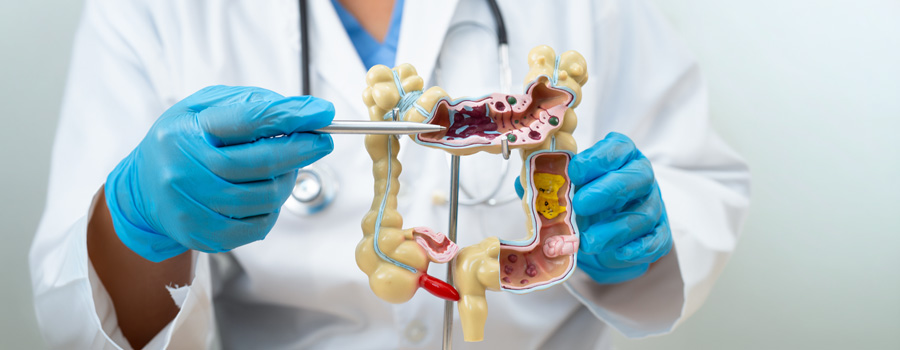
A colonoscopy allows your provider to examine the inside of the large intestine using a long, flexible tube with a light and tiny camera. During the procedure, the scope is gently inserted through the rectum and advanced through the colon while air or carbon dioxide is used to expand the space for clear viewing.
Polyps may be removed, and small tissue samples can be collected for testing. This helps detect bleeding, inflammation, or precancerous growths early, often preventing colorectal cancer and guiding treatment for chronic digestive issues.
Conditions Diagnosed:
- Colorectal cancer and polyps
- Inflammatory bowel disease (IBD)
- Unexplained bleeding or anemia
- Chronic diarrhea or constipation
Before the Procedure:
You’ll follow detailed bowel prep instructions using a special diet and laxatives to clear the colon. Fasting is required the night before. Visit the Colonoscopy Services page for more information.
After the Procedure:
You’ll recover as the sedation wears off. Mild cramping or bloating may occur briefly. Results are reviewed and discussed before you go home.
Dysplasia Screening
Overview:
Dysplasia screening is performed to detect precancerous changes in the colon lining, especially in patients with long-standing inflammatory bowel disease. Using high-definition scopes and advanced imaging, physicians carefully examine the colon for subtle lesions or abnormal tissue. Early detection of dysplasia allows for timely treatment and reduces the risk of colorectal cancer.
Conditions Evaluated:
- Ulcerative colitis (long duration)
- Crohn’s colitis
- Increased colorectal cancer risk
Before the Procedure:
- Follow bowel prep instructions carefully for a clear view.
- Do not eat or drink for several hours before the test.
- Adjust or stop medications as advised, especially blood thinners.
After the Procedure:
- Mild bloating or cramping may occur.
- Resume normal diet once alert.
- Your provider will discuss biopsy results and follow-up screening intervals.
Stricture Dilation
Overview:
Stricture dilation is a minimally invasive procedure that widens narrowed areas of the digestive tract caused by inflammation, scarring, or prior surgery. Using an endoscope, the physician inflates a small balloon or passes a flexible dilator through the narrowed segment to restore normal passage of food or stool and relieve symptoms like pain or blockage.
Conditions Treated:
- Crohn’s disease–related strictures
- Postsurgical or anastomotic narrowing
- Esophageal, small bowel, or colonic strictures
Before the Procedure:
- Do not eat or drink for several hours before.
- Certain medications, especially blood thinners, may need to be paused.
- Sedation is typically used.
After the Procedure:
- Mild soreness or bloating may occur temporarily.
- Resume a soft diet if advised.
- Report any severe pain, bleeding, or fever.
Stricture Resection
Overview:
Stricture resection is a surgical procedure to remove a severely narrowed or damaged section of the intestine when other treatments are not effective. The healthy ends are reconnected to restore normal digestion. This operation relieves obstruction, pain, and inflammation while preserving as much healthy bowel as possible, often improving long-term quality of life.
Conditions Treated:
- Severe Crohn’s disease strictures
- Fibrotic or recurrent intestinal narrowing
- Bowel obstruction
Before the Procedure:
- Bowel cleansing and fasting are required.
- You may undergo imaging or lab tests to plan surgery.
- Stop certain medications as directed.
After the Procedure:
- Hospital stay of several days for recovery.
- Gradual reintroduction of diet as tolerated.
- Monitor for infection or leakage at the surgical site.
Strictureplasty
Overview:
Strictureplasty is a bowel-sparing surgical technique used to widen narrowed sections of the intestine without removing any part of it. The surgeon reshapes the affected segment to restore normal flow while preserving bowel length. This approach is especially useful for patients with multiple Crohn’s disease–related strictures where maintaining intestinal continuity is important.
Conditions Treated:
- Crohn’s disease with intestinal strictures
- Small bowel narrowing causing obstruction
Before the Procedure:
- Bowel prep and fasting are required.
- You may need lab tests or imaging before surgery.
- Discuss medications and anesthesia instructions with your care team.
After the Procedure:
- Gradual return to eating as bowel function resumes.
- Hospital stay of a few days is typical.
- Regular follow-up monitors healing and recurrence.
Upper Endoscopy
Overview:
An EGD, which stands for esophagogastroduodenoscopy. It is a medical procedure used to examine the lining of your upper digestive tract. This includes your
- Esophagus: The muscular tube that connects your throat to your stomach
- Stomach: The muscular sac where food is broken down
- Duodenum: The first part of your small intestine
The Procedure:
During an EGD, a doctor inserts a thin, flexible tube called an endoscope down your throat and into your digestive tract. The endoscope has a light and a tiny camera at the end, which allows the doctor to see the lining of your organs on a monitor. They can also use the endoscope to:
- Take tissue samples for biopsy (if needed)
- Remove small polyps or other abnormalities
- Treat certain conditions, such as bleeding ulcers
Preparing for the Procedure:
For an upper endoscopy, you’ll usually have to follow a clear liquid diet after midnight then, stopping all liquid consumption 2 hours before your scheduled arrival time. No solid food the day of procedure. Every patient is different so your gastroenterologist may have more specific instructions for you, if so, please refer to those if given.
Your Care Team
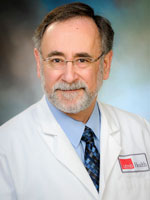
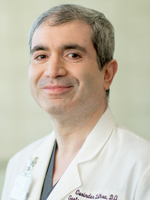
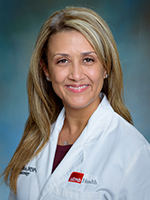
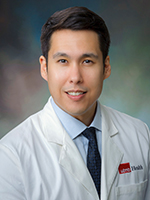
Each provider may treat different conditions. Click on a profile to see their areas of specialty.
General Gastrointestinal Providers
Surgeons
Frequently Asked Questions.
-
What is inflammatory bowel disease (IBD)?
IBD is a group of chronic conditions that cause inflammation in the digestive tract. The two main types are Crohn's disease and Ulcerative colitis.
-
What causes IBD?
The exact cause is not fully known. IBD is believed to result from a combination of immune system dysfunction, genetics, and environmental factors.
-
How is IBD different from IBS?
Unlike IBS, IBD involves inflammation and can cause damage to the digestive tract. IBS is a functional disorder and does not lead to visible inflammation or long-term injury.
-
How is IBD diagnosed?
Doctors use a combination of tests such as blood work, stool tests, colonoscopy, and imaging scans to confirm inflammation and identify the type of IBD.
-
Is there a cure for IBD?
There’s currently no cure for IBD. However, many people can manage it very well with medications, diet changes, and surgery. These treatments can reduce inflammation and control symptoms.
-
What foods should I avoid if I have IBS?
Avoid spicy foods, fried or fatty foods, dairy (if it bothers you), caffeine, and alcohol. People with Crohn’s disease or Ulcerative colitis may also notice issues with high-fiber foods like raw vegetables.
All Gastroenterology Specialties
Our Locations
- 1005 Harborside Drive
6th Floor - M–F: 8 a.m.–5 p.m.
- (409) 772-0122
- (409) 747-0777
- Website
- 2240 Gulf Freeway South
Suite 2.110 - M–F: 8 a.m.–5 p.m.
- (832) 505-1600
- (281) 309-0147
- Website
- 2660 Gulf Freeway South
Entrance B - M–F: 8 a.m.–5 p.m.
- (832) 505-2350
- (281) 337-0719
- Website
- 17448 Highway 3
2nd Floor - M–F: 8 a.m.–5 p.m.
- (832) 505-1600
- (832) 905-6948
- Website
- 1715 South Friendswood Drive, 4th Floor
- M–F: 8 a.m.–5 p.m.
- (832) 505-1600
- (281) 482-3963
- Website
- 250 Blossom Street
2nd floor, Suite 230 - M–F: 8 a.m.–5 p.m.
- (832) 505-1600
- (832) 553-0292
- Website