Dr. Caitlin Cotter’s research at the University of Texas Medical Branch (UTMB) illustrates how lasting advances in global health are made when an understanding of the local knowledge leads the way. Her research on Lassa fever virus (LASV) and vaccine hesitancy in Nigeria, in concert with the enduring structure and framework of UTMB’s West African Center for Research on Emerging Infectious Diseases, demonstrates why real partnership and respect for context matter.
OH Project Spotlight
-
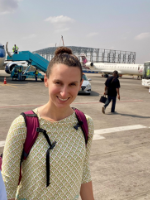
Building Local Leaders: Dr. Caitlin Cotter’s Vision for Sustainable Global Health
-

Viral Prospecting in Wildlife Doesn’t Pan Out
Monitoring microbes in wildlife with a goal of detecting pathogens that may later cause severe disease and/or epidemics in humans has been a pillar of US national biosecurity strategy during the last 15 years. The US government has greatly invested in such surveillance through programs like PREDICT-1 and PREDICT-2 (~$330M) and would spend an estimated $1B more in support of more ambitious wildlife pathogen surveillance for proposed programs like the Global Virome Project if this strategy was funded. What have these major investments yielded in terms of preventing human disease? A recent publication from scholars at Harvard T.H. Chan School of Public Health argues that the surveillance costs have not yielded good results.