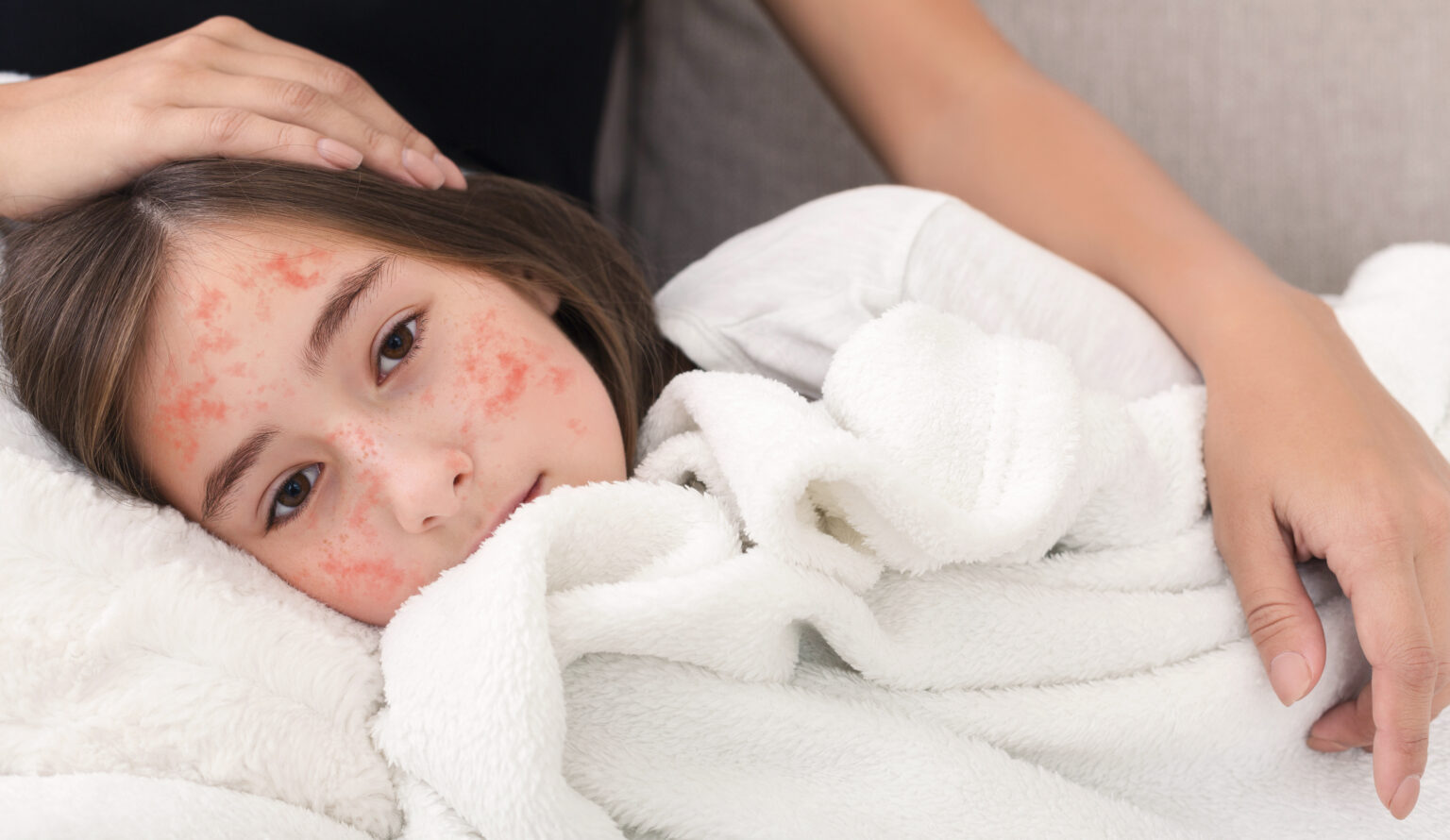
In 2000, the United States was declared measles free. However, so far in 2023, 85 cases of measles have been reported in Ohio. Most of the children who were reported to have measles in Ohio are partially unvaccinated and at least 28% of the children were too young to receive the Measles, Mumps, and Rubella (MMR) vaccine that protects against measles. In 2022, there were 22 cases in Twin Cities, Minnesota, an outbreak accounting for nearly 20% of all measles cases in the U.S. that year, and in 2019 there were a total of 1,274 cases of measles reported nationally.
Healthcare professionals cite several reasons for the measles outbreak. The U.S. has seen a rise in the anti-vaccine movement, causing parents to be hesitant about giving their children important childhood vaccines, leading to delayed vaccination schedules or missing the vaccinations altogether. Vaccination hesitation centered around the MMR vaccine was sparked by a now retracted article suggesting a link between the MMR vaccine and autism. Although this proposed link has been discredited by several robust studies, several groups and even celebrities have continued to promote this misinformation. Another reason for declining vaccination rates is the COVID-19 pandemic. From 2020-2021, vaccine coverage rates fell to 94% because many people were staying at home and avoiding going out, especially to physician offices. As a result, many children missed routine immunizations that they would have received at their regularly scheduled appointments and may still be missing those immunizations. This number further fell for the 2021-2022 year to 93%. Although this number seems high, the ideal coverage for measles is 95% or higher since it is easily spreadable.
Measles is a highly contagious disease (more so than COVID-19) that can cause skin rashes, cough, fever, and swollen lymph nodes. 90% of those who are exposed to measles will become infected and 20% will be hospitalized with measles. There is no treatment for measles but the MMR vaccine is highly effective at preventing the disease. The CDC recommends that children get the MMR vaccine (along with other childhood vaccines) by age 6.
Inchara Raj is a medical student at University Texas of Medical Branch/John Sealy School of Medicine. She enjoys writing about medical and humanities topics and medical education.
Sources:
https://thehill.com/policy/healthcare/3812420-what-we-know-about-the-ohio-measles-outbreak/
https://www.bbc.com/news/world-us-canada-64121328
https://www.axios.com/local/columbus/2022/12/20/central-ohios-measles-outbreak-leads-nation