
Public health runs on data, but the day-to-day work is rarely tidy. You might get handed a spreadsheet that doesn't match the codebook, an extract from an EHR with missing fields, or a results table that needs explaining to clinicians, administrators, and community partners. Knowing which model to run matters. So does knowing what the result means, whether you can trust it, and how to explain it.
"Biostatistics is how public health turns data into decisions you can defend, whether you're evaluating an intervention, estimating risk, or designing a study that answers the right question. In the Online MPH in Biostatistics, students learn the methods and the reasoning behind them so they can explain results clearly to clinicians, leaders, and community partners."
Dr. Alejandro Villasante-Tezanos
UTMB's School of Public and Population Health created the Online MPH in Biostatistics for people who want to do that work well without putting their life on pause. The program is 100% online and built around working schedules and real-world datasets, with a focus on building statistical, programming, and consulting skills that translate directly into applied public health work.
Learn more about the Online Master of Public Health in Biostatistics
How the degree prepares you for the actual work
In many roles, you're expected to move beyond "run the analysis" into "help us decide what to do next." The Online MPH in Biostatistics builds that capability by pairing core public health training with quantitative methods that show up in biomedical and population health research.
"Prospective students often ask what makes biostatistics different, and the answer is that you learn to connect study design, data quality, and modeling choices to real-world conclusions. This MPH prepares you to work on teams where your job is not only to run analyses, but to help others understand what the numbers do and do not support."
Dr. Heidi Spratt
Students move through advanced methods in study design, linear modeling, sample size and power, categorical data methods, and survival analysis, alongside the work that makes those analyses possible: data management and programming. You'll build fluency in SAS and R, with emphasis on interpretation and communication.
100% Online coursework | 43 Credits in ~20 months | SAS + R Programming training | 3 Applied experiences |
The skills you'll develop through hands-on practice
A biostatistics-focused MPH should leave you with more than course titles. You'll build repeatable work habits around defining a question, choosing an analysis approach, checking assumptions, and translating results into decisions a team can act on.
"Biostatisticians are needed across public health because every major decision relies on evidence, and evidence depends on sound methods and honest interpretation. Our Online MPH in Biostatistics is built to train students to choose appropriate approaches, check assumptions, and communicate findings in ways that inform policy, programs, and clinical practice."
Dr. Yong-Fang Kuo
You'll develop competency in methods commonly used in public health and biomedical research:
| Study design | |
| Linear and logistic regression | |
| Categorical methods | |
| Survival analysis | |
| Consulting skills that support team-based research and operational decision-making |
You'll also strengthen data management skills around tidying, merging, reshaping, validating, and documenting datasets. That's often where real projects succeed or fail, and where students build confidence in their ability to work independently.
Applied experiences mirror real public health work
The Online MPH in Biostatistics includes applied experiences designed to mirror the work graduates will do in the field. Students complete an Applied Practice Experience and a Consulting Practicum, building comfort with scoping questions, working with stakeholders, and delivering results that are useful and technically sound. The program also includes an Integrative Learning Experience that ties methods and public health framing together around a meaningful question.
Experience 1 Applied Practice Experience Scope real questions, work with stakeholders, and deliver results that are useful and technically sound. | Experience 2 Consulting Practicum Apply methods in a consulting context, translating technical findings for non-technical audiences and teams. | Experience 3 Integrative Learning Experience Tie methods and public health framing together around a meaningful, self-directed question. |
See what students do with these skills
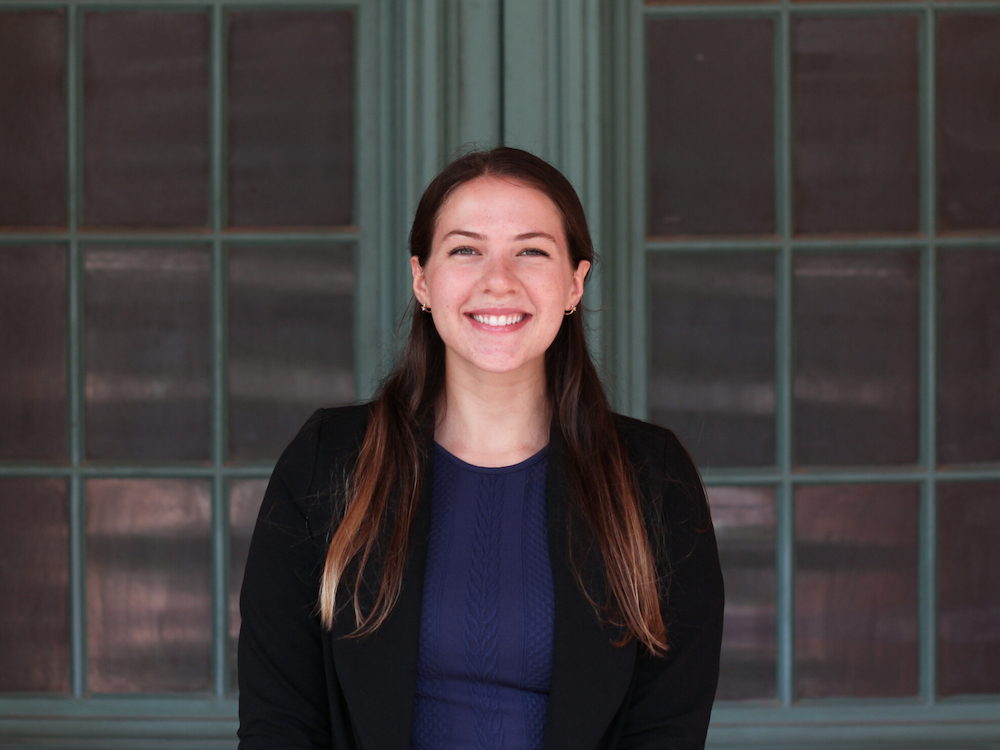
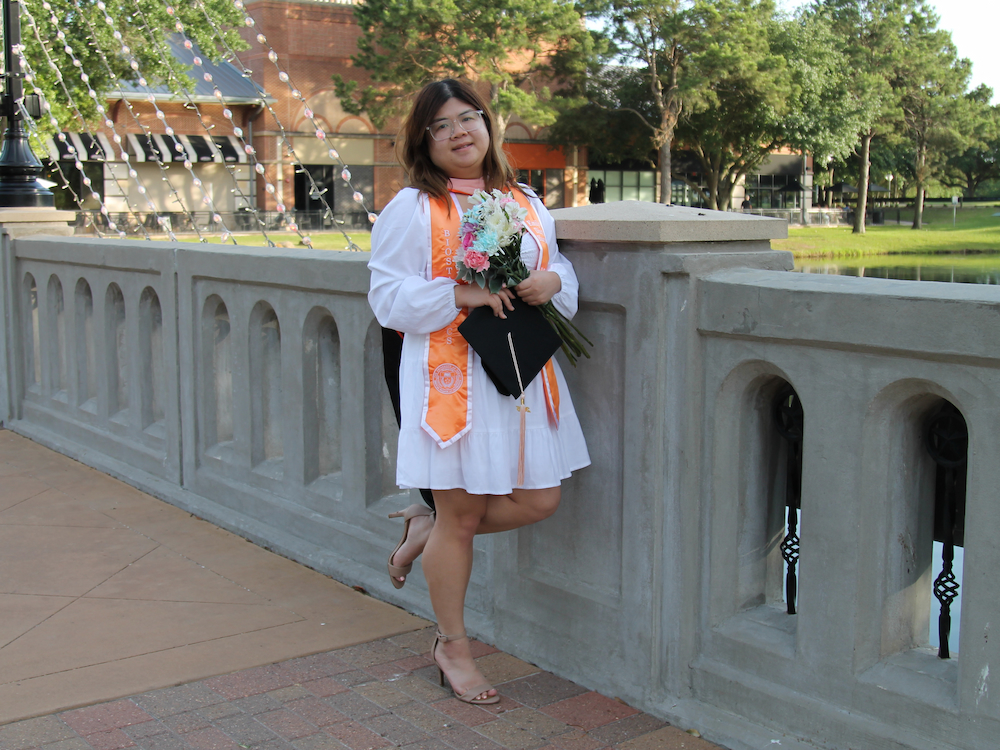
Recent UTMB MPH in Biostatistics graduates have applied their training to real public health questions and real datasets.
Fall 2026 timeline for the first fully online cohort
1
| Application deadline — June 1, 2026 |
2
| New Student Orientation — August 24–25, 2026 |
3
| First day of class — August 31, 2026 (Dates subject to change) |
If you're comparing programs, look at the kind of work you want to do two years from now. If you want to responsibly handle messy data, choose appropriate methods, and explain results clearly to decision-makers, the Online MPH in Biostatistics is built for that path.