Better digestive health starts here
Good digestive health is key to your overall well-being, affecting everything from energy to comfort. At UTMB Health, our gastroenterologists provide personalized care, advanced diagnostics, and treatments for both new symptoms and chronic conditions. We listen, explain your options, and guide you toward lasting wellness.
Conditions We Treat
Esophageal Conditions
Esophagitis
Overview:
Esophagitis is irritation or inflammation of the esophagus lining, often caused by acid reflux, infections, certain medications, or allergies. Chronic esophagitis can lead to scarring or narrowing of the esophagus, making early treatment important.
Common Symptoms:
- Pain or difficulty swallowing
- Chest pain
- Heartburn
- Food getting stuck
- Sore throat
Treatments & Procedures:
- Medications to reduce stomach acid
- Avoiding trigger foods or medications
- Treating underlying infections or allergies
- Lifestyle changes (smaller meals, no lying down after eating)
- Procedures for severe narrowing
GERD
Overview:
Gastroesophageal Reflux Disease (GERD) occurs when stomach acid frequently flows back into the esophagus, irritating its lining. It's common in adults and can cause chronic discomfort, sleep problems, and long-term complications such as Barrett’s esophagus. Risk factors include obesity, smoking, and certain foods or drinks.
Common Symptoms:
- Frequent heartburn
- Regurgitation of food or sour liquid
- Chest discomfort
- Difficulty swallowing
- Chronic cough or hoarseness
Treatments & Procedures:
- Lifestyle changes (weight loss, dietary adjustments)
- Medications to reduce acid production
- Avoiding trigger foods and alcohol
- Elevating head during sleep
- Surgery for severe or resistant cases
Precancerous Barrett’s Esophagus
Overview:
Precancerous Barrett’s esophagus occurs when long-term acid reflux causes the lining of the esophagus to change, replacing normal tissue with tissue similar to the intestinal lining. While Barrett’s itself is not cancer, it’s considered precancerous because it raises the risk of developing esophageal cancer over time. Regular monitoring and treatment of acid reflux are important to lower risks and protect long-term esophageal health.
Common Symptoms:
Precancerous Barret’s esophagus often has no symptoms, but when it does, they may overlap with GERD and include heartburn, regurgitation, or chest pain.
Treatments & Procedures:
- Medications to control acid reflux
- Lifestyle changes (weight loss, avoid triggers)
- Regular endoscopic monitoring
- Endoscopic procedures to remove abnormal cells
- Surgery in advanced cases
Swallowing Disorders
Overview:
Swallowing disorders, also known as dysphagia, make it difficult to move food or liquids from the mouth to the stomach. These can result from neurological conditions, injuries, congenital abnormalities, or age-related changes. Dysphagia can occur in both children and adults, with potentially serious complications like aspiration pneumonia.
Symptoms:
- Coughing or choking while eating or drinking
- Difficulty chewing or moving food around the mouth
- Pain while swallowing (odynophagia)
- Drooling or leaking of food from the mouth
- Feeling of food stuck in the throat
- Weight loss or dehydration
- Wet or gurgle-sounding voice after eating
- Pediatric considerations: In children, swallowing disorders may present as difficulty transitioning from breastfeeding to solids, refusing certain textures, or chronic respiratory infections related to aspiration
Treatments / Procedures:
- Fiberoptic endoscopic evaluation of swallowing (FEES): Visualizing swallowing function to guide therapy
- Modified barium swallow studies (MBSS): Imaging to assess swallowing safety and efficiency
- Dietary modifications: Adjusting food textures and liquid consistency for safer swallowing
- Compensatory techniques: Strategies for safer eating and drinking, like chin tuck or head turn
- Swallowing therapy: Exercises to strengthen swallowing muscles and coordination
Upper GI Conditions
Celiac Disease
Overview:
Celiac disease is an autoimmune disorder where the body reacts to gluten (a protein in wheat, rye, and barley). This reaction damages the small intestine lining and prevents nutrient absorption. It can appear at any age and tends to run in families. Long-term, untreated celiac disease can lead to malnutrition and other health problems.
Common Symptoms:
- Diarrhea or constipation
- Abdominal pain or bloating
- Unexplained weight loss
- Fatigue
- Skin rash
Treatments & Procedures:
- Lifelong gluten-free diet
- Nutritional counseling
- Supplements for vitamin and mineral deficiencies
- Regular monitoring with blood tests
- Supportive care for associated conditions
Gastritis
Overview:
Gastritis is inflammation of the stomach lining, caused by infections (like H. pylori), alcohol, certain medications, or autoimmune conditions. It may be acute or chronic, and if untreated, can lead to ulcers or bleeding. It’s more common in people who regularly use NSAIDs or drink heavily.
Common Symptoms:
- Upper abdominal pain or burning
- Nausea or vomiting
- Indigestion
- Loss of appetite
- Black or tarry stools (if bleeding occurs)
Treatments & Procedures:
- Medications to reduce stomach acid
- Antibiotics for H. pylori
- Avoiding NSAIDs and alcohol
- Dietary modifications
- Treating underlying causes
Gastroparesis
Overview:
Gastroparesis is delayed stomach emptying due to weakened stomach muscles or nerve damage, often linked to diabetes, surgery, or certain medications. Food remains in the stomach longer than normal, leading to nausea, bloating, and nutritional issues. It can be chronic and requires careful management.
Common Symptoms:
- Early fullness after small meals
- Nausea and vomiting
- Abdominal bloating or pain
- Weight loss and poor appetite
- Fluctuating blood sugars in people with diabetes
Treatments & Procedures:
- Dietary changes (small, frequent meals; low-fat, low-fiber foods)
- Medications that improve stomach motility (prokinetics)
- Anti-nausea medications
- Feeding tubes or gastric electrical stimulation for severe cases
Helicobacter Pylori Infection
Overview:
Helicobacter pylori, also known as H. pylori, is a common bacterial infection that lives in the stomach lining. It’s a major cause of gastritis and ulcers, and it increases the risk for stomach cancer. Many people have no symptoms, but untreated infections can lead to serious complications.
Common Symptoms:
- Abdominal pain or burning
- Nausea
- Bloating
- Loss of appetite
- Frequent burping
Treatments & Procedures:
- Combination of antibiotics
- Medications to reduce stomach acid
- Dietary adjustments to reduce irritation
- Follow-up testing to confirm eradication
- Treating complications if they occur
Peptic Ulcer Disease
Overview:
Peptic ulcer disease develops when open sores form in the lining of the stomach or small intestine, most often due to infection with Helicobacter pylori (H. pylori) bacteria or long-term use of NSAID pain relievers. While anyone can develop ulcers, risk increases with smoking, alcohol use, and stress. Without proper treatment, ulcers can cause serious complications, making early diagnosis and care especially important.
Common Symptoms:
- Burning stomach pain
- Bloating or belching
- Nausea
- Vomiting blood or black stools (if bleeding)
- Weight loss
Treatments & Procedures:
- Medications to reduce stomach acid
- Antibiotics for H. pylori
- Avoiding NSAIDs and alcohol
- Dietary changes
- Surgery in rare, severe cases
Large & Small Intestine Conditions
Chronic Constipation
Overview:
Chronic constipation is a long-term digestive condition characterized by infrequent, difficult, or incomplete bowel movements. It may result from dietary habits, medication use, lifestyle factors, or underlying medical issues affecting colon or pelvic function. Chronic constipation can significantly impact comfort and quality of life, often requiring medical evaluation to determine its cause and guide effective management.
Common Symptoms:
- Fewer than three bowel movements per week
- Hard, dry, or lumpy stools
- Straining during bowel movements
- Feeling of incomplete evacuation
- Abdominal bloating or discomfort
Treatments & Procedures:
- Increased dietary fiber and fluid intake
- Regular physical activity
- Over-the-counter or prescription laxatives
- Biofeedback therapy
- Pelvic floor retraining
- Manual disimpaction
- Surgery for severe or obstructive cases
Chronic Diarrhea
Overview:
Chronic diarrhea lasts more than four weeks and can result from infections, inflammatory bowel disease, malabsorption, or medications. It affects people of all ages and can lead to dehydration or nutrient deficiencies if untreated. Evaluating the underlying cause is essential to guide effective treatment.
Common Symptoms:
- Frequent loose or watery stools
- Urgency to use the restroom
- Abdominal cramping
- Bloating or gas
- Fatigue or dehydration
Treatments & Procedures:
- Medications to slow bowel movements or treat infection
- Dietary modifications (low FODMAP, avoiding triggers)
- Hydration and electrolyte replacement
- Treating underlying conditions
- Probiotics
Colorectal Polyps or Cancer
Overview:
Colorectal polyps are growths on the inner lining of the colon or rectum that can sometimes develop into colorectal cancer over time. Colorectal cancer occurs when abnormal cells in these areas grow uncontrollably, forming malignant tumors. Early detection through screening is essential, as many cases are treatable and even preventable when polyps are removed before becoming cancerous.
Common Symptoms:
- Changes in bowel habits (diarrhea or constipation)
- Blood in stool or rectal bleeding
- Abdominal pain or cramping
- Unexplained weight loss
- Fatigue or weakness
- Iron-deficiency anemia
Treatments & Procedures:
- Polyp removal during colonoscopy
- Endoscopic mucosal resection
- Surgical resection of affected bowel segments
- Chemotherapy
- Radiation therapy
- Targeted or immunotherapy
- Routine colonoscopy for screening and surveillance
Diverticulitis
Overview:
Diverticulitis happens when small pouches in the colon, called diverticula, get inflamed or infected. It is more common in adults over 40 and people who eat a low-fiber diet. Symptoms can include abdominal pain, fever, and changes in bowel habits. Getting treatment early can help prevent serious problems, such as infections, abscesses, or a tear in the colon, and support a faster, safer recovery.
Common Symptoms:
- Abdominal pain (usually lower left side)
- Fever or chills
- Nausea or vomiting
- Changes in bowel habits
- Tenderness in the abdomen
Treatments & Procedures:
- Antibiotics for infection
- Clear liquid diet during flare-ups
- Pain management
- Surgery for recurrent or complicated cases
- Drainage of abscesses if necessary
Diverticulosis
Overview:
Diverticulosis is the presence of small pouches (diverticula) in the colon, often caused by aging or low-fiber diets. Most people have no symptoms, but it can increase the risk of diverticulitis if the pouches become inflamed or infected.
Common Symptoms:
- Usually asymptomatic
- Occasional mild abdominal cramping
- Bloating or gas
- Changes in bowel habits
Treatments & Procedures:
- High-fiber diet to prevent complications
- Adequate hydration
- Routine monitoring
- Medications for mild discomfort
- Surgery rarely if complications occur
Gas & Bloating
Overview:
Gas and bloating are common digestive complaints that may result from diet, food intolerances, swallowing excess air, or underlying conditions like irritable bowel syndrome (IBS) or small intestinal bacterial overgrowth (SIBO). While often harmless, frequent or severe symptoms may point to a more serious digestive disorder that requires evaluation.
Common Symptoms:
- Abdominal fullness or tightness
- Excessive burping or flatulence
- Abdominal cramping or discomfort
- Distended abdomen
- Changes in bowel habits
Treatments & Procedures:
- Dietary changes (avoid trigger foods, lactose, high-fat meals)
- Probiotics or digestive enzymes
- Medications to reduce gas or bloating
- Evaluation for underlying GI conditions
- Lifestyle changes (slower eating, stress management)
Irritable Bowel Syndrome (IBS)
Overview:
IBS is a chronic gastrointestinal disorder affecting the large intestine, with symptoms varying by subtype. It is influenced by diet, stress, gut motility, and sensitivity. IBS can affect adults of any age, often beginning in young adulthood. Subtypes include:
- IBS-D (diarrhea-predominant)
- IBS-C (constipation-predominant)
- IBS-M (mixed)
- IBS-U (unclassified)
Common Symptoms:
- Abdominal pain or cramping
- Bloating and gas
- Diarrhea (IBS-D) or constipation (IBS-C)
- Alternating diarrhea and constipation (IBS-M)
- Urgency or incomplete bowel movements
Treatments & Procedures:
- Dietary changes (low FODMAP, fiber adjustments)
- Medications for diarrhea or constipation
- Stress management and behavioral therapy
- Probiotics
- Medications to reduce abdominal pain or bloating
Microscopic Colitis
Overview:
Microscopic colitis is inflammation of the colon that can only be seen under a microscope. It’s a common cause of chronic watery diarrhea, especially in middle-aged and older adults. The exact cause is unknown, but it may be linked to autoimmune conditions or medications.
Common Symptoms:
- Chronic watery diarrhea
- Abdominal cramps
- Weight loss
- Fatigue
- Urgency to use the restroom
Treatments & Procedures:
- Medications to reduce inflammation (steroids, antidiarrheal drugs)
- Avoiding trigger medications (NSAIDs, certain antidepressants)
- Dietary adjustments
- Probiotics
- Long-term monitoring
Small Intestinal Bacterial Overgrowth (SIBO)
Overview:
SIBO occurs when an excessive number of bacteria grow in the small intestine, disrupting digestion and nutrient absorption. It can develop due to conditions that slow intestinal movement, prior abdominal surgery, or digestive disorders like IBS. Left untreated, SIBO may cause malnutrition and persistent digestive symptoms. Proper diagnosis and targeted treatment are essential for restoring gut balance and improving overall digestive health.
Common Symptoms:
- Bloating
- Diarrhea or constipation
- Abdominal pain
- Excessive gas
- Unintended weight loss
Treatments & Procedures:
- Antibiotics to reduce bacterial overgrowth
- Dietary modifications (low FODMAP diet)
- Probiotics
- Treating underlying motility disorders
- Nutritional support if deficiencies occur
IBD Conditions
Crohn's Disease
Overview:
Crohn’s disease is a chronic inflammatory bowel disease (IBD) that can affect any part of the digestive tract, most often the small intestine and colon. It causes ongoing inflammation that may lead to abdominal pain, diarrhea, fatigue, and weight loss. The exact cause is unknown but involves immune, genetic, and environmental factors. With proper treatment, symptoms can be managed, and quality of life improved.
Common Symptoms:
- Persistent diarrhea
- Abdominal pain or cramping
- Fatigue
- Weight loss
- Rectal bleeding
- Reduced appetite
Treatments & Procedures:
- Anti-inflammatory medications
- Immune-suppressing drugs
- Biologic therapies
- Antibiotics
- Nutritional support or dietary changes
- Endoscopic evaluation and monitoring
- Surgery (if complications occur)
Ulcerative Colitis
Overview:
Ulcerative colitis is a chronic inflammatory bowel disease (IBD) that affects the lining of the large intestine and rectum. It causes ongoing inflammation and sores (ulcers) that lead to abdominal discomfort, diarrhea, and rectal bleeding. The condition develops from an abnormal immune response, though the exact cause is unclear. With medical care, many patients achieve symptom control and maintain long-term remission.
Common Symptoms:
- Frequent diarrhea, often with blood or mucus
- Abdominal pain or cramping
- Rectal bleeding
- Urgency to have a bowel movement
- Fatigue
- Unintended weight loss
Treatments & Procedures:
- Anti-inflammatory medications
- Immune-suppressing drugs
- Biologic therapies
- Corticosteroids (short-term use)
- Nutritional therapy or diet adjustments
- Colonoscopy and ongoing monitoring
- Surgery (colectomy, in severe cases)
GI Bleeding-Related Conditions
Anemia
Overview:
Anemia is a condition that occurs when the body doesn’t have enough healthy red blood cells to carry oxygen, often due to blood loss in the digestive tract or a lack of iron. It can develop slowly over time and is common in people with chronic gastrointestinal (GI) conditions. Identifying the source is essential to preventing recurrence and restoring healthy blood levels. GI bleeding and iron deficiency are common causes of anemia.
Common Symptoms:
- Fatigue or weakness
- Pale skin
- Shortness of breath
- Dizziness or lightheadedness
- Rapid heartbeat
Treatments & Procedures:
- Iron supplements (oral or IV/infusion therapy)
- Treating underlying GI bleeding source
- Dietary changes to increase iron intake
- Blood transfusions (if severe)
- Medications to reduce bleeding or inflammation
Arteriovenous Malformations (AVMs)
Overview:
Arteriovenous malformations (AVMs) are abnormal, fragile blood vessel connections between arteries and veins that can form anywhere in the gastrointestinal tract. These lesions may rupture and cause intermittent or chronic bleeding. AVMs are often found in older adults and may be linked to other vascular disorders. Diagnosis and treatment focus on identifying and controlling the bleeding source.
Common Symptoms:
- Occult or visible GI bleeding
- Fatigue or weakness from anemia
- Black or maroon stools
- Lightheadedness or shortness of breath
Treatments & Procedures:
- Endoscopic cauterization or argon plasma coagulation
- Angiographic embolization
- Iron supplementation or blood transfusion
- Surgical resection (if bleeding persists)
Bleeding Ulcers or Varices
Overview:
Ulcers are sores in the lining of the stomach or small intestine, while varices are enlarged veins in the esophagus or stomach, often linked to liver disease. Both can bleed and become serious, requiring prompt treatment. Bleeding may range from mild to life-threatening, and finding the cause is critical for prevention.
Common Symptoms:
- Vomiting blood (bright red or coffee-ground appearance)
- Black or tarry stools
- Abdominal pain
- Lightheadedness or fainting
- Weakness
Treatments & Procedures:
- Endoscopic procedures to stop bleeding
- Medications to reduce stomach acid or pressure in veins
- Blood transfusions if needed
- Lifestyle changes (avoiding alcohol, NSAIDs)
- Surgery in severe cases
Diverticular Bleeding
Overview:
Diverticular bleeding occurs when small pouches (diverticula) in the colon wall rupture and bleed. It is a common cause of lower gastrointestinal bleeding, often presenting suddenly and painlessly. While the bleeding may stop spontaneously, some cases require medical intervention to locate and control the source. Early evaluation helps prevent recurrence and manage potential complications such as anemia.
Common Symptoms:
- Bright red or maroon rectal bleeding
- Lightheadedness or dizziness
- Weakness or fatigue
- Low blood pressure (in severe cases)
Treatments & Procedures:
- Intravenous fluids and blood transfusions (if needed)
- Colonoscopy with cauterization or clipping
- Angiographic embolization
- Surgical removal of affected bowel segment (rarely)
Hemorrhoidal Bleeding
Overview:
Hemorrhoidal bleeding occurs when swollen veins in the rectum or anus rupture or become irritated. It is one of the most common causes of bright red rectal bleeding, typically noticed on toilet paper or in the toilet bowl. Although usually mild and self-limited, persistent or painful bleeding requires evaluation to rule out other causes and guide appropriate treatment.
Common Symptoms:
- Bright red blood after bowel movements
- Itching or irritation around the anus
- Pain or discomfort when sitting
- Swelling or palpable lumps near the anus
Treatments & Procedures:
- Increased fiber and fluid intake
- Sitz baths and topical medications
- Rubber band ligation
- Sclerotherapy or infrared coagulation
- Hemorrhoidectomy (for severe cases)
Obscure GI Bleeding
Overview:
Obscure gastrointestinal bleeding refers to bleeding from the digestive tract that remains unexplained after standard endoscopic evaluations. It may originate from small-bowel lesions such as ulcers, AVMs, or tumors. Specialized diagnostic tools are often needed to detect the source. Identifying the underlying cause is essential for targeted therapy and preventing ongoing or recurrent blood loss.
Common Symptoms:
- Unexplained iron-deficiency anemia
- Occult (hidden) blood in stool
- Fatigue or weakness
- Melena (black stools) or hematochezia (red stools)
Treatments & Procedures:
- Capsule endoscopy or deep enteroscopy
- Endoscopic therapy for bleeding lesions
- Iron supplementation or transfusion
- Angiography with embolization
- Surgical intervention (if necessary)
Liver Conditions
Abnormal Liver Test
Overview:
Abnormal liver tests, often found during routine blood work, signal possible liver inflammation, injury, or dysfunction. Elevated enzymes may result from infections, alcohol use, medications, fatty liver disease, or other conditions. An abnormal result doesn’t always mean serious disease but usually requires further testing to identify the underlying cause.
Common Symptoms:
- Often no noticeable symptoms
- May vary depending on cause
Treatments & Procedures:
- Repeat blood tests for confirmation
- Ultrasound, CT, or MRI
- FibroScan (elastography)
- Blood tests for viral, autoimmune, or metabolic causes
- Medication adjustments if drug-induced
- Referral to hepatology for further evaluation
Alcohol-Related Liver Disease
Overview:
Alcohol-related liver disease develops after long-term heavy alcohol use, causing liver inflammation, fat buildup, scarring, and potentially cirrhosis. It is one of the most common causes of serious liver disease in the U.S. and worldwide. Risk increases with the amount and duration of drinking, though genetics and nutrition may also influence progression.
Common Symptoms:
- Fatigue
- Abdominal swelling
- Yellowing of skin and eyes
- Easy bruising or bleeding
- Nausea
Treatments & Procedures:
- Blood tests for liver function
- Imaging tests (ultrasound, CT, MRI)
- Alcohol cessation programs
- Nutritional support
- Medications to reduce inflammation or complications
- Liver transplant in severe cases
Cirrhosis of the Liver
Overview:
Cirrhosis is severe scarring of the liver caused by long-term damage from conditions such as hepatitis, alcohol use, or fatty liver disease. As scar tissue replaces healthy tissue, liver function declines, leading to serious complications, including bleeding from varices, portal hypertensive gastropathy, and hepatic encephalopathy. Although cirrhosis is often irreversible, early diagnosis and treatment can slow progression and improve quality of life.
Common Symptoms
- Fatigue
- Easy bruising or bleeding
- Jaundice
- Abdominal swelling (ascites)
- Itchy skin
Treatments & Procedures:
- Blood and imaging tests
- Endoscopy to check for varices
- Medications to manage symptoms and complications
- Lifestyle changes (alcohol cessation, diet)
- Regular cancer screening
- Liver transplant evaluation in advanced cases
Drug-Induced Hepatitis
Overview:
Drug-induced hepatitis is liver inflammation caused by medications, herbal supplements, or toxins. It may result from predictable effects (such as acetaminophen overdose) or unpredictable immune reactions. Severity ranges from mild enzyme elevation to liver failure. Identifying and stopping the offending drug is essential, and most people recover fully with appropriate treatment.
Common Symptoms:
- Fatigue
- Jaundice
- Nausea
- Abdominal pain
- Dark urine
Treatments & Procedures:
- Blood tests for liver enzymes
- Review of medications and supplements
- Imaging or biopsy if needed
- Withdrawal of the offending drug
- Supportive care and monitoring
- Liver transplant in severe cases
Learn more about liver conditions
Fatty Liver Disease
Overview:
Non-alcoholic fatty liver disease (NAFLD), now also referred to as metabolic associated fatty liver disease (MASLD), occurs when fat builds up in the liver without significant alcohol use. It is strongly linked to obesity, diabetes, and high cholesterol. It is one of the most common liver conditions worldwide and can progress to inflammation, scarring, or cirrhosis in some patients.
Common Symptoms
- Often no symptoms in early stages
- Fatigue
- Discomfort in the upper right abdomen
- Enlarged liver
Treatments & Procedures:
- Blood tests for liver enzymes
- Imaging (ultrasound, elastography)
- Weight loss and lifestyle changes
- Medications for associated metabolic conditions
- Regular monitoring for disease progression
Other Conditions
Malabsorption
Overview:
Malabsorption occurs when the small intestine cannot properly absorb nutrients, vitamins, or minerals from food. This condition may result from digestive enzyme deficiencies, intestinal inflammation, infection, or structural damage to the intestinal lining. Malabsorption can affect multiple body systems, leading to nutritional deficiencies and weight loss. Identifying the underlying cause is essential for effective treatment and long-term health management.
Common Symptoms:
- Chronic diarrhea or loose stools
- Unintentional weight loss
- Bloating and gas
- Fatigue or weakness
- Pale, bulky, or foul-smelling stools
- Nutrient deficiencies (e.g., anemia, bone loss, bruising)
Treatments & Procedures:
- Dietary modifications and supplementation
- Pancreatic enzyme replacement therapy
- Gluten-free diet (for celiac disease)
- Antibiotics for bacterial overgrowth
- Treatment of underlying intestinal or pancreatic disorders
- Nutritional counseling and monitoring
Unexplained Abdominal Pain or Bloating
Overview:
Ongoing abdominal pain or bloating without a clear cause may be linked to digestive conditions such as irritable bowel syndrome (IBS), food intolerances, or more serious gastrointestinal (GI) disorders. Careful evaluation helps rule out underlying causes and provides relief strategies.
Common Symptoms:
- Abdominal discomfort or cramping
- Fullness or swelling
- Gas
- Changes in bowel habits
- Pain that comes and goes
Treatments & Procedures:
- Dietary changes (low FODMAP, avoid triggers)
- Medications for IBS or digestive issues
- Stress management techniques
- Probiotics
- Diagnostic testing to identify causes
Unexplained Weight Loss
Unintentional weight loss can signal underlying digestive conditions such as malabsorption, ulcers, celiac disease, or cancer. It requires prompt medical evaluation to identify the cause, especially if accompanied by other gastrointestinal (GI) symptoms.
Common Symptoms:
- Noticeable weight loss without trying
- Fatigue
- Loss of appetite
- Abdominal pain or discomfort
- Diarrhea or other GI changes
Treatments & Procedures:
- Identifying and treating underlying condition
- Nutritional support and supplementation
- Medications to improve appetite or absorption
- Counseling and lifestyle support
- Regular monitoring
Services & Procedures
Capsule Endoscopy
Overview:
Capsule endoscopy is a noninvasive diagnostic procedure that uses a small, pill-sized camera to capture images of the digestive tract, especially the small intestine, which is difficult to view with standard endoscopy. The capsule transmits thousands of pictures to a recording device as it passes naturally through the GI tract, helping identify bleeding, inflammation, or other abnormalities.
Conditions Evaluated:
- Unexplained gastrointestinal bleeding
- Crohn’s disease of the small bowel
- Celiac disease (to assess mucosal damage)
- Small bowel tumors or polyps
- Unexplained abdominal pain or anemia
Before the Procedure:
Patients typically fast overnight and may be instructed to use a bowel prep for clear imaging. Metal objects or electronic devices near the recorder should be avoided. The capsule is swallowed with water, and normal activity can usually continue during the recording period.
After the Procedure:
The capsule passes naturally in the stool, usually within 24-48 hours. Patients return the recording device for image review. Normal diet and medications can resume once instructed. Rarely, the capsule may become lodged if there is a bowel stricture, so patients should report any persistent pain or failure to pass the capsule.
Colonoscopy
Overview:
A colonoscopy allows your provider to examine the inside of the large intestine using a long, flexible tube with a light and tiny camera. During the procedure, the scope is gently inserted through the rectum and advanced through the colon while air or carbon dioxide is used to expand the space for clear viewing.
Polyps may be removed, and small tissue samples can be collected for testing. This helps detect bleeding, inflammation, or precancerous growths early, often preventing colorectal cancer and guiding treatment for chronic digestive issues.
Conditions Diagnosed:
- Colorectal cancer and polyps
- Inflammatory bowel disease (IBD)
- Unexplained bleeding or anemia
- Chronic diarrhea or constipation
Before the Procedure:
You’ll follow detailed bowel prep instructions using a special diet and laxatives to clear the colon. Fasting is required the night before. Visit the Colonoscopy Services page for more information.
After the Procedure:
You’ll recover as the sedation wears off. Mild cramping or bloating may occur briefly. Results are reviewed and discussed before you go home.
Hemorrhoidal Banding
Overview:
Hemorrhoidal banding, or rubber band ligation, is a minimally invasive procedure used to treat internal hemorrhoids. A small elastic band is placed at the base of the hemorrhoid, cutting off its blood supply so it shrinks and falls off naturally. The procedure is quick, usually done in-office, and offers effective relief from bleeding, itching, and discomfort caused by hemorrhoids.
Conditions Treated:
- Internal hemorrhoids (grades I–III)
- Symptomatic hemorrhoids causing bleeding, itching, or prolapse
Before the Procedure:
You may be asked to avoid certain medications, such as blood thinners, for several days before the procedure. A light meal or enema might be recommended depending on the provider’s instructions. The procedure is typically performed without sedation, and patients can go home shortly afterward.
After the Procedure:
Mild discomfort or a sensation of fullness in the rectum may occur for a day or two. Over-the-counter pain relief and sitz baths can help ease symptoms. You should avoid heavy lifting and straining during bowel movements for several days. Most resume normal activities the same day, and hemorrhoid symptoms usually improve within one to two weeks.
Removal of Foreign Bodies from GI Tract
Overview:
The removal of foreign bodies from the GI tract is a procedure used to retrieve objects that have been swallowed or become lodged in the digestive tract. Using endoscopy, a flexible tube with a camera and specialized tools, physicians can locate and safely remove the object without surgery. This procedure helps prevent complications such as bleeding, obstruction, or perforation of the esophagus, stomach, or intestines.
Conditions Treated:
- Ingested foreign objects (coins, bones, batteries, magnets, etc.)
- Food impaction (especially in the esophagus)
- Bezoars (accumulated indigestible material)
- Obstruction or injury caused by a swallowed object
Before the Procedure:
Patients are usually asked to fast for several hours. Urgent cases may be performed immediately, especially if sharp objects or batteries are involved. Sedation or anesthesia is used for comfort. Imaging studies may be performed beforehand to locate the object and plan the safest approach.
After the Procedure:
Most patients recover quickly, though mild throat soreness or bloating may occur temporarily. Eating and drinking usually resume once swallowing feels normal. Patients are monitored for signs of bleeding, pain, or fever. Follow-up may include evaluation for underlying swallowing disorders or behavioral issues if foreign body ingestion is recurrent.
Small Bowel Enteroscopy
Overview:
Small bowel enteroscopy is a specialized endoscopic procedure used to examine and treat conditions within the small intestine. Using a long, flexible scope, often with balloon or spiral technology, it allows direct visualization, biopsy, and treatment of abnormalities such as bleeding, inflammation, or tumors. It’s typically performed when capsule endoscopy identifies issues requiring further evaluation or intervention.
Conditions Treated:
- Obscure GI bleeding
- Small bowel tumors or polyps
- Crohn’s disease
- Celiac disease
- Small bowel strictures or obstructions
- Vascular malformations
- Unexplained abdominal pain or diarrhea
- Foreign body retrieval or lesion biopsy
Before the Procedure:
You'll be asked to fast for 8-12 hours before the procedure. Medications may be adjusted, especially blood thinners or diabetes medicines. A bowel preparation may be required to clear the intestines for better visibility. The procedure is done under sedation or anesthesia, and patients need someone to drive them home afterward.
After the Procedure:
Mild sore throat, bloating, or cramping may occur for a short time. Most people resume normal activities and diet within 24 hours unless otherwise instructed. Results are discussed once the patient is fully awake. Rare complications include bleeding, perforation, or reaction to sedation, though these are uncommon.
Upper Endoscopy (EGD)
Overview:
An EGD, which stands for esophagogastroduodenoscopy. It is a medical procedure used to examine the lining of your upper digestive tract. This includes your
- Esophagus: The muscular tube that connects your throat to your stomach
- Stomach: The muscular sac where food is broken down
- Duodenum: The first part of your small intestine
The Procedure:
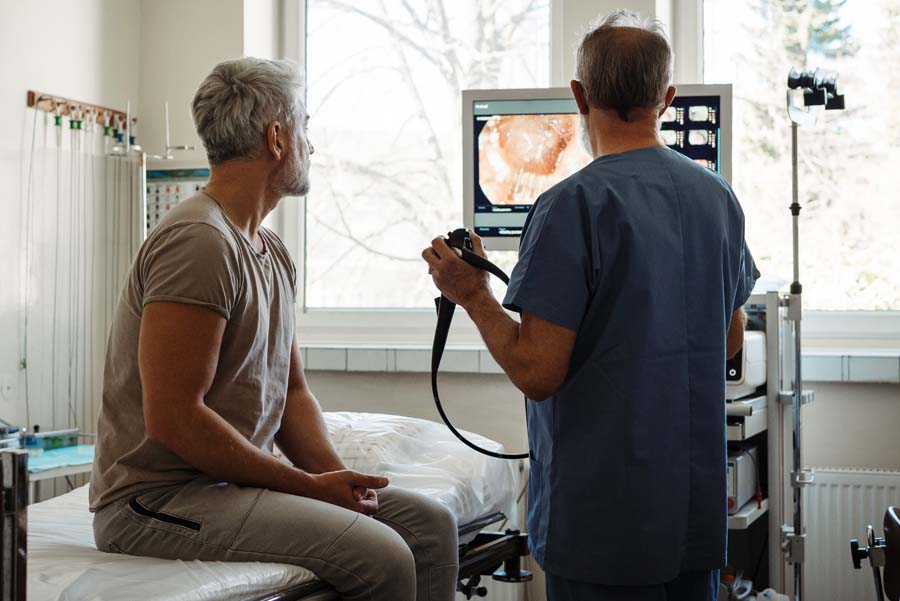
During an EGD, a doctor inserts a thin, flexible tube called an endoscope down your throat and into your digestive tract. The endoscope has a light and a tiny camera at the end, which allows the doctor to see the lining of your organs on a monitor. They can also use the endoscope to:
- Take tissue samples for biopsy (if needed)
- Remove small polyps or other abnormalities
- Treat certain conditions, such as bleeding ulcers
Preparing for the Procedure:
For an upper endoscopy, you’ll usually have to follow a clear liquid diet after midnight then, stopping all liquid consumption 2 hours before your scheduled arrival time. No solid food the day of procedure. Every patient is different so your gastroenterologist may have more specific instructions for you, if so, please refer to those if given.
Your Care Team
Each provider may treat different conditions. Click on a profile to see their areas of specialty.

Frequently Asked Questions.
-
What does the gastrointestinal (GI) system consist of?
The GI system includes the stomach, intestines, esophagus, liver, pancreas, and rectum. A healthy GI system breaks down food, absorbs nutrients, and removes waste efficiently.
-
What are common signs of digestive problems?
Symptoms can include abdominal pain, bloating, gas, constipation, diarrhea, heartburn, nausea, vomiting, blood in stool, or unintentional weight changes.
-
When should I see a gastroenterologist?
Seek care from your primary care provider if you experience persistent digestive symptoms, unexplained weight loss, rectal bleeding, difficulty swallowing, or chronic diarrhea or constipation. Routine screenings, such as colonoscopies, are also recommended for adults over 45 or those at increased risk for GI conditions.
-
What causes digestive issues?
Digestive problems can result from diet, stress, infections, medications, genetic conditions, or chronic disorders like IBS, GERD, or celiac disease. Lifestyle factors like low fiber intake, dehydration, and sedentary habits can also contribute.
-
How can I maintain good digestive health?
Eat a balanced diet rich in fiber, fruits, and vegetables; stay hydrated; exercise regularly; manage stress; limit alcohol, tobacco, and processed foods; and keep up with routine screenings.
-
What tests do gastroenterologists use?
Common tests include colonoscopy, endoscopy, imaging scans, blood tests, stool tests, and breath tests to evaluate digestion, detect inflammation, or check for infections or growths.
All Gastroenterology Specialties
Our Locations
- 1005 Harborside Drive
6th Floor - M–F: 8 a.m.–5 p.m.
- (409) 772-0122
- (409) 747-0777
- Website
- 2240 Gulf Freeway South
Suite 2.110 - M–F: 8 a.m.–5 p.m.
- (832) 505-1600
- (281) 309-0147
- Website
- 2660 Gulf Freeway South
Entrance B - M–F: 8 a.m.–5 p.m.
- (832) 505-2350
- (281) 337-0719
- Website
- 17448 Highway 3
2nd Floor - M–F: 8 a.m.–5 p.m.
- (832) 505-1600
- (832) 905-6948
- Website
- 1715 South Friendswood Drive, 4th Floor
- M–F: 8 a.m.–5 p.m.
- (832) 505-1600
- (281) 482-3963
- Website
- 250 Blossom Street
2nd floor, Suite 230 - M–F: 8 a.m.–5 p.m.
- (832) 505-1600
- (832) 553-0292
- Website