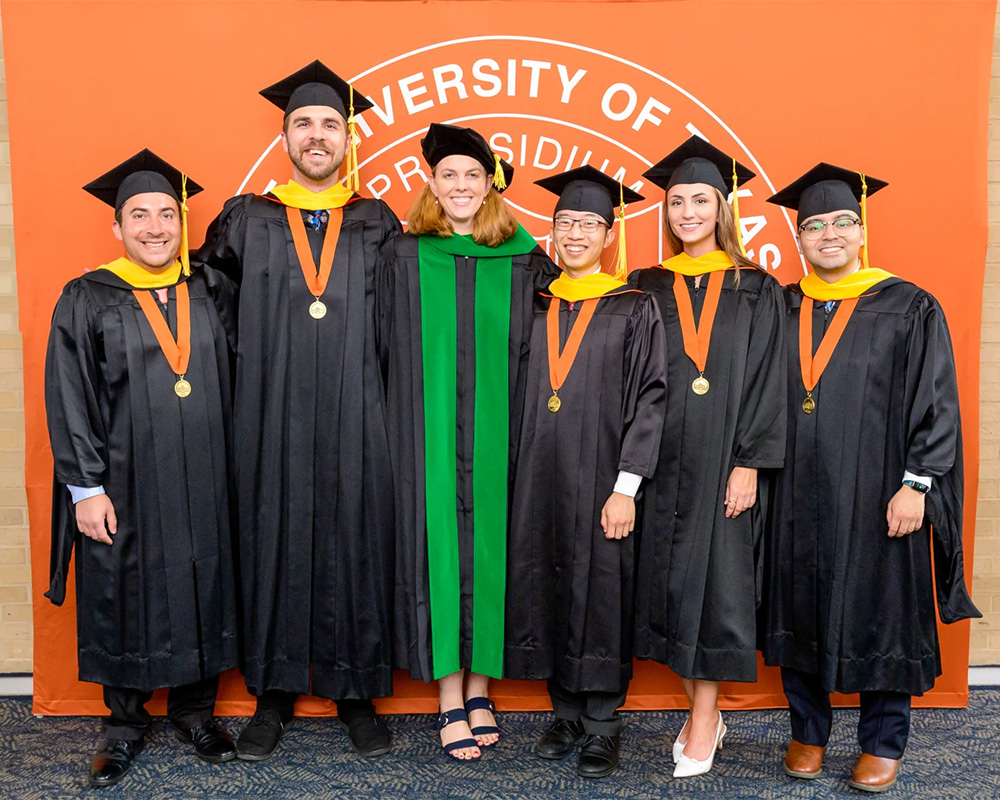
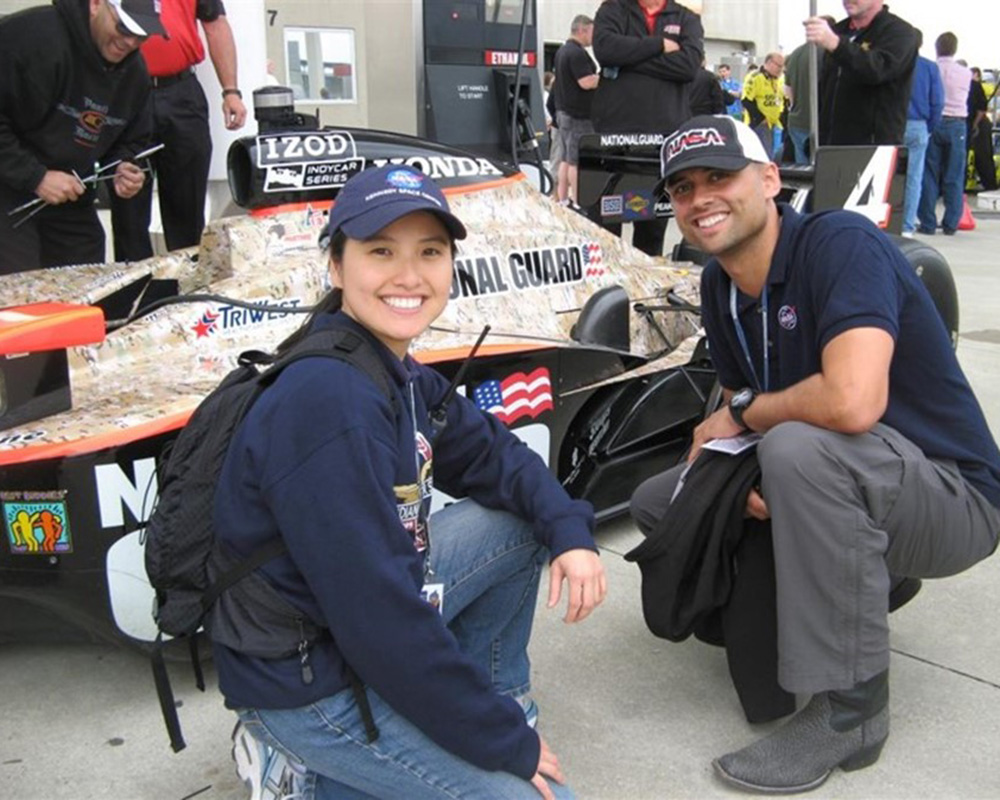
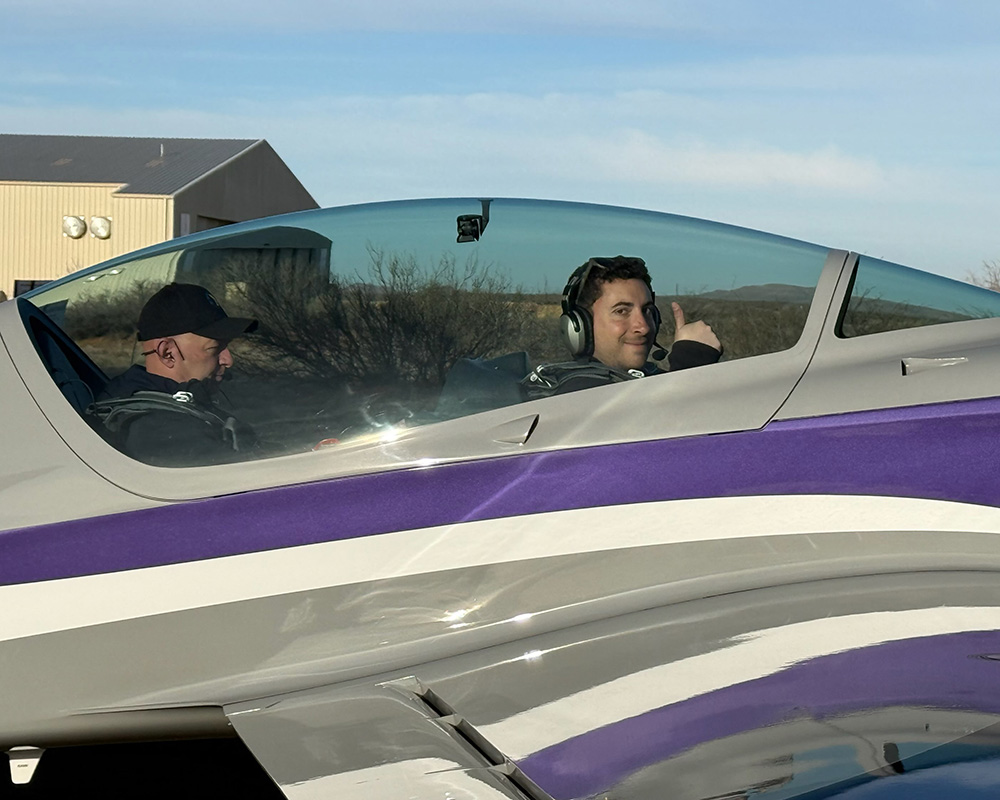
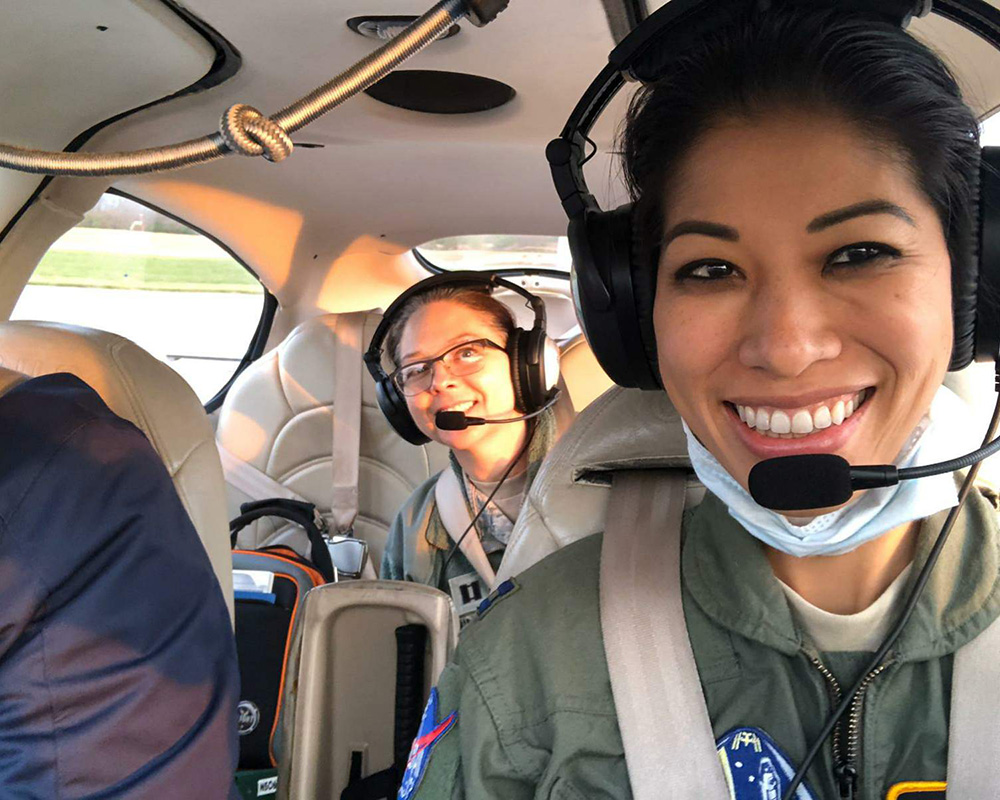
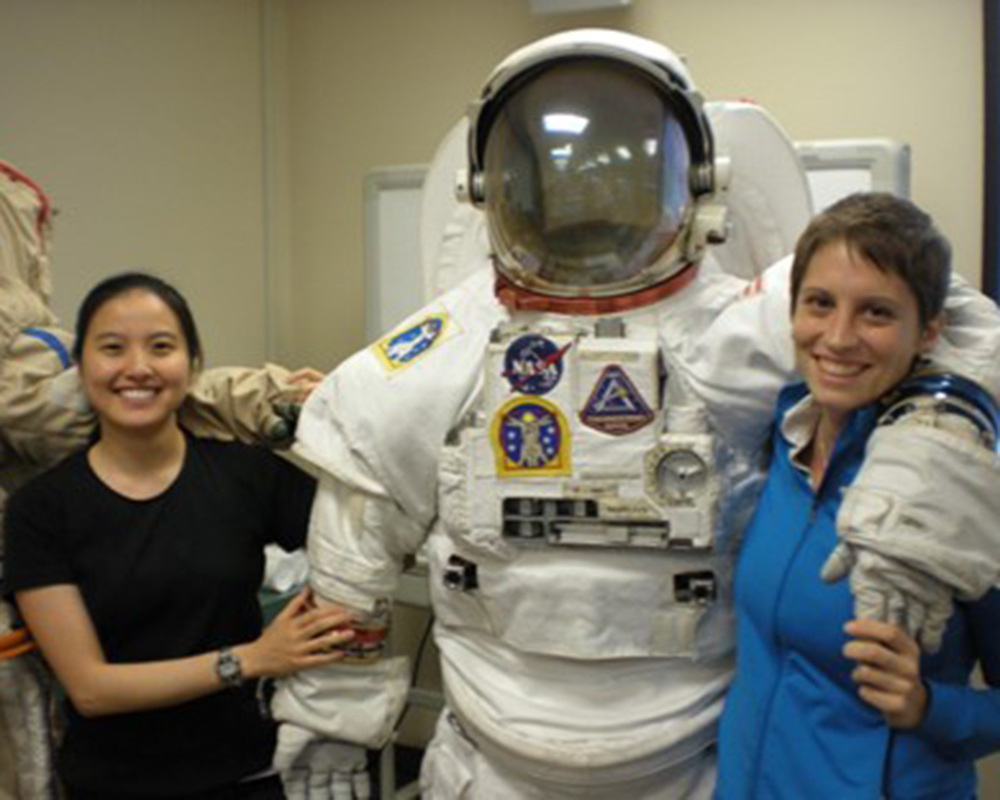
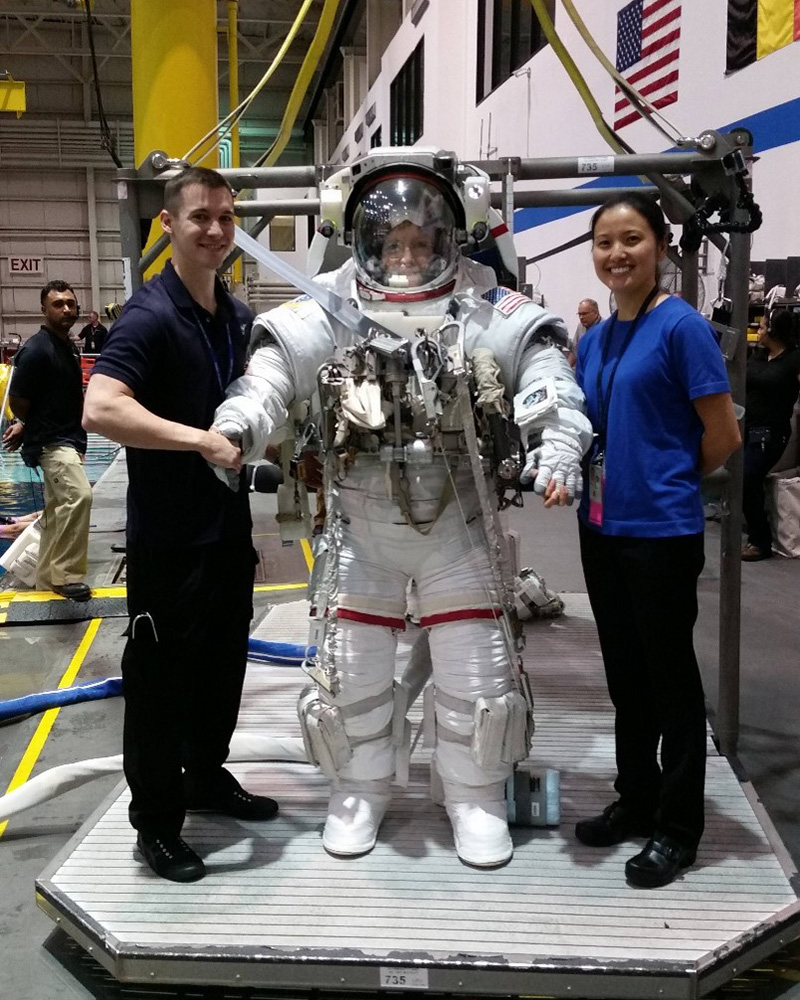
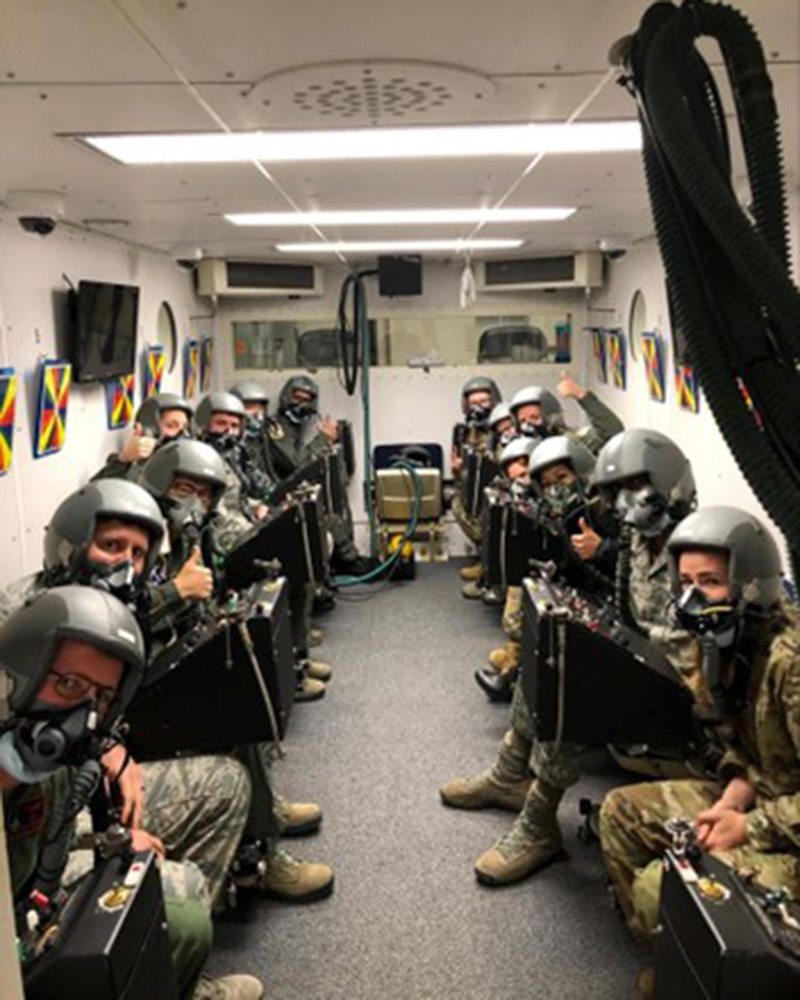
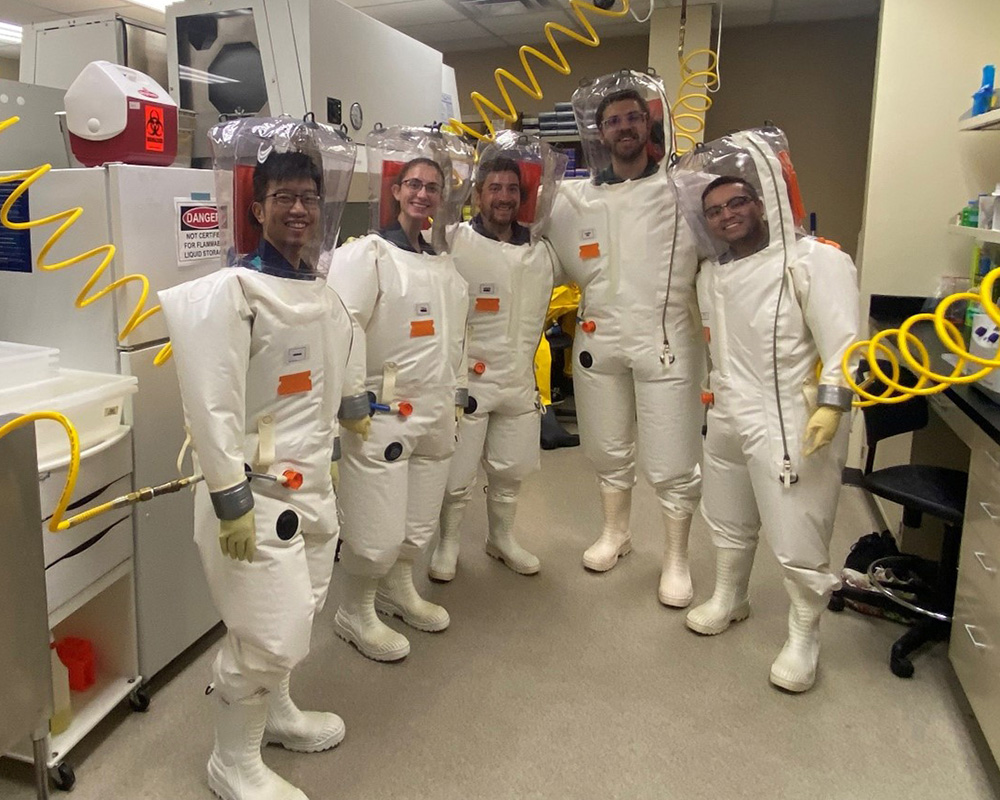
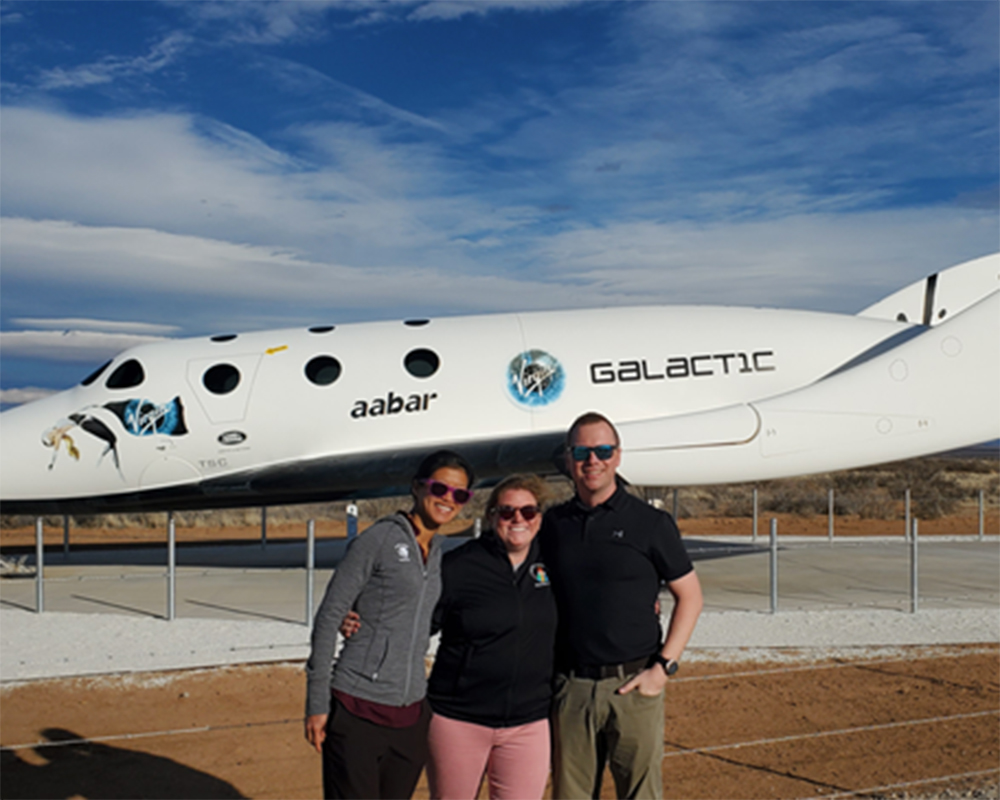
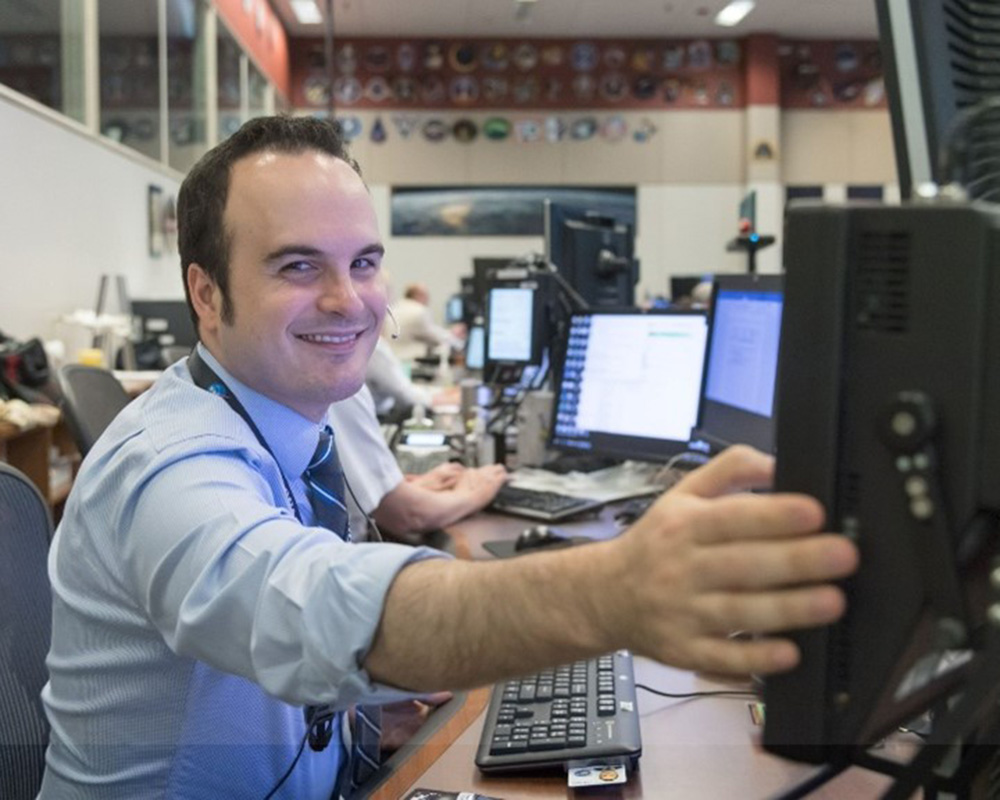
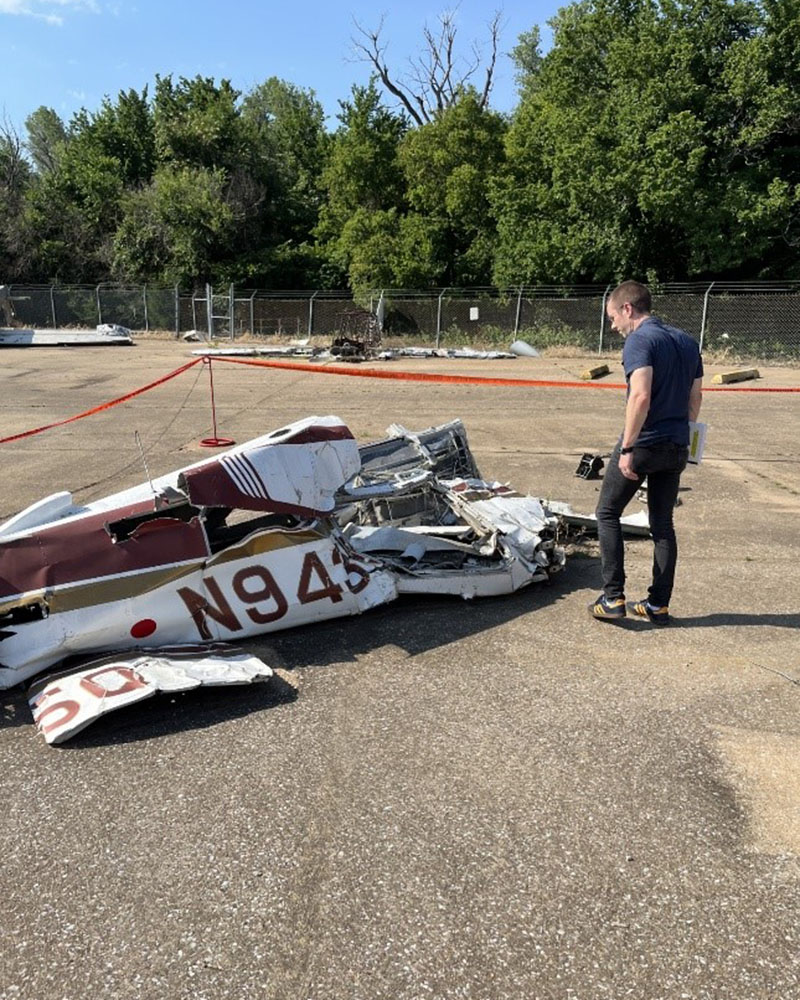
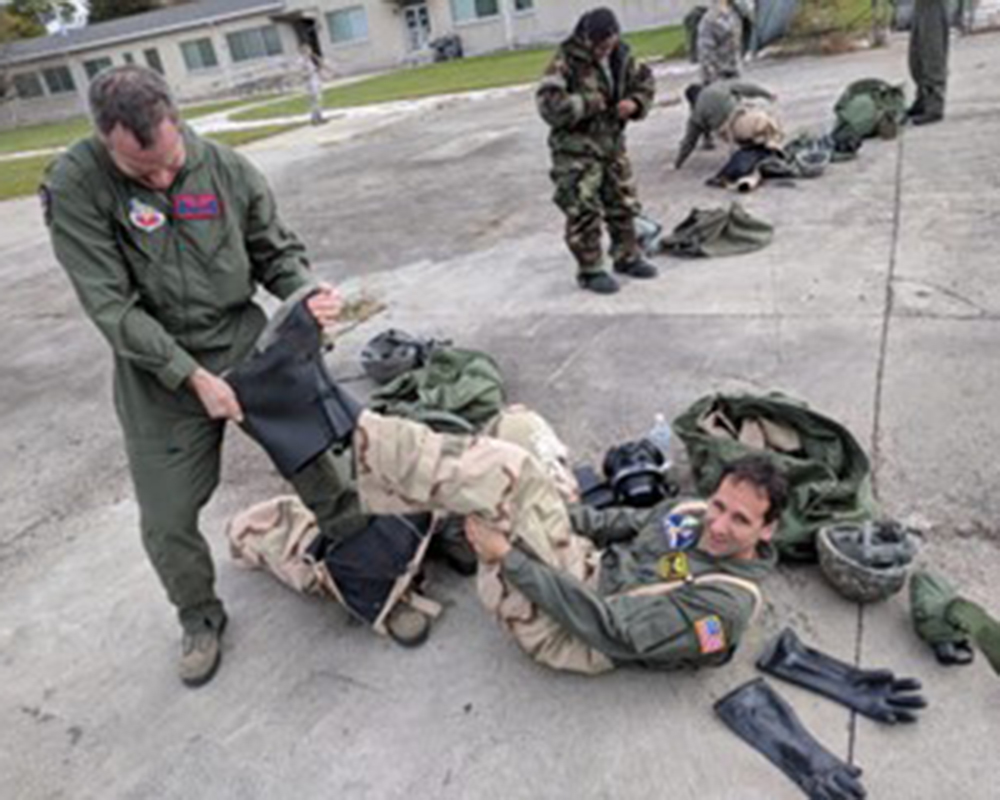
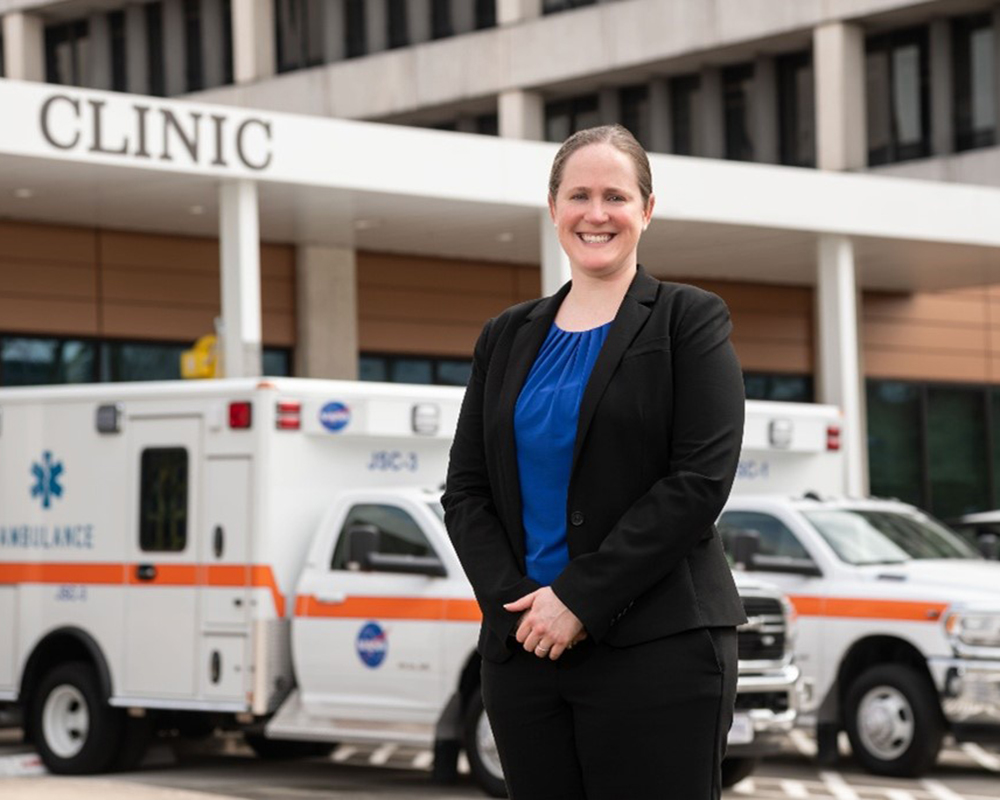
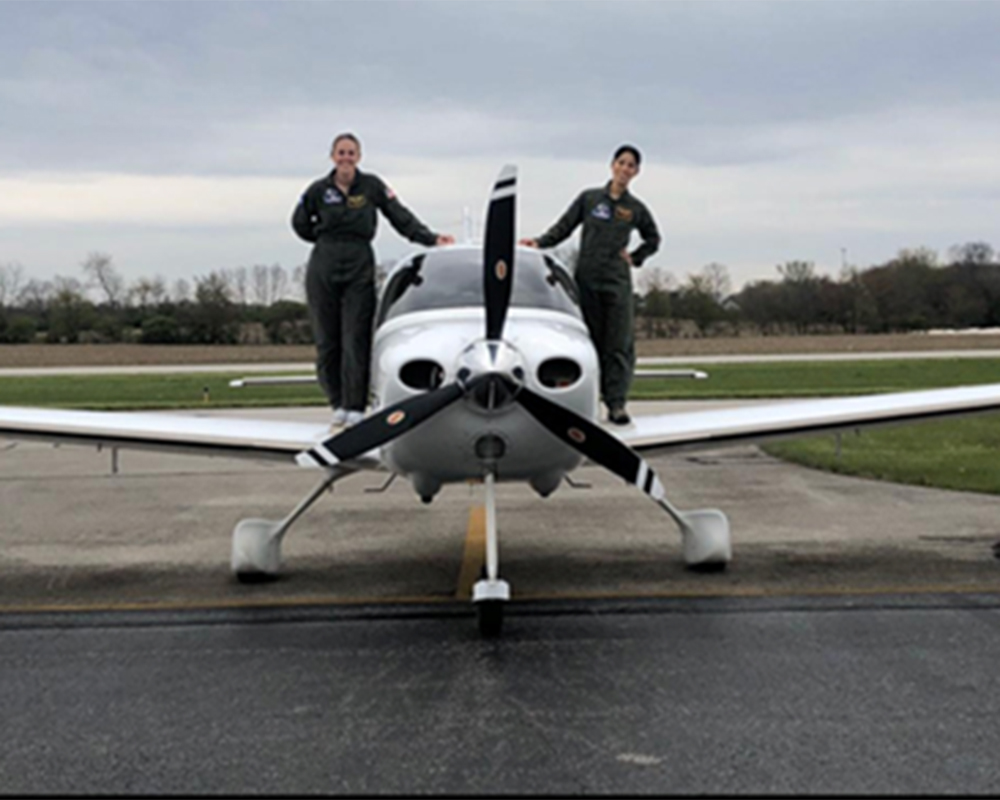
The Aerospace Medicine residency programs at UTMB combine rigorous academics, experiential learning, and immersive field rotations to prepare physicians for the full spectrum of aerospace medicine practice. All residents complete a Master of Science in Aerospace Medicine with an Aerospace Medicine Capstone through the UTMB School of Public and Population Health. Residents gain experience across spaceflight, military, aviation, austere environments, hyperbaric/dive medicine, hypobaric/high-altitude medicine, aeromedical evacuation, flight training, and much more.
Training is focused on the wide variety of care and expertise provided by an aerospace medicine physician based in core principles of preventive and occupation specific medicine. In the course of their training, residents are trained in risk assessment and mitigation, aeromedical certification, telecare and acute care medicine, systems engineering and vehicle design, and aerospace research. The aerospace medicine residency programs at UTMB fundamentally believe the strength of aerospace medicine is founded in strong primary specialty skills, and maintenance of these skills is also an important facet of our residents' training. Ultimately, our programs prepare graduates for board certification in aerospace medicine through the American Board of Preventive Medicine through experienced, board-certified aerospace medicine faculty and nationally and internationally recognized experts. Combined residents are additionally board-eligible in either emergency medicine or internal medicine.
The Master of Science in Aerospace Medicine is a core component of aerospace medicine training at UTMB, providing residents with an exceptional opportunity to develop both specialized aerospace expertise and a strong foundation in public health. It is a required, integral component of all three of the Aerospace Medicine residency programs at UTMB. The degree is accredited by the Council on Education for Public Health (CEPH) and fulfills the educational requirements established by the American Board of Preventive Medicine (ABPM).
The curriculum is designed around three foundational pillars:
Aerospace Medicine Expertise
Core Public Health Foundations
Mentored Capstone Experience
-
What is aerospace medicine?
Aerospace medicine focuses on the clinical care, research, and field support of the health, safety, and performance of crewmembers and passengers of air and space vehicles, as well as the support personnel who assist in the operation of such vehicles.
-
What is the value of formal, ACGME-accredited training and board certification in aerospace medicine?
Just as in any other medical specialty, accredited training and board certification in aerospace medicine are the gold standard, thereby maximizing your hiring potential anywhere in the industry. In recent years, multiple organizations and medical societies have formally documented policies on the importance of these credentials in aerospace medicine. These include:
- AsMA Resolution 2022-01: Importance of Accredited Training and Board Certification in Aerospace Medicine for the Growing Commercial Space Industry
- Related Policy: AOA Resolution H-222 20JUL2024
- NASA OCHMO Memo
- FAA Recommended Practices for Human Space Flight Occupant Safety
- AsMA Resolution 2020-01: Vital Nature of Board-Certified Physicians in Aerospace Medicine
- Related Policy: AMA HOD Resolution 405.949 JUN2022
- Related Policy: AOA Resolution H-201 17JUL2021
- Potomac Institute Aerospace Medicine Core Competencies Report
-
When did the UTMB Aerospace Medicine residency programs begin?
Though the specialty of aerospace medicine has existed since the early 1900s, the first UTMB Aerospace Medicine residency program was founded in 1993 as a joint collaboration between UTMB and NASA Johnson Space Center. We have proudly trained physicians to become experts in Aerospace Medicine for over 30 years. In that time, our alumni and faculty have been found supporting all aspects of the space and aviation industries, including at Axiom Space, the FAA, NASA, Sierra Space, SpaceX, Blue Origin, and Virgin Galactic. They can also be found supporting various branches of the United States military with whom we share a valued relationship.
Our core faculty bring decades of field experience, research, and leadership experience to the curriculum. We additionally have a large group of visiting faculty – world class experts – teaching you in what is arguably one of the best student-to-teacher ratios you will ever find! These experts hail from commercial space companies, the U.S. military, NASA, the FAA, and more. Wherever you may land, this personalized education is what will launch you to success upon graduation.
-
What if you already have a Master of Public Health or other master’s degree?
We will review your transcripts and other pertinent material with faculty in the School of Public and Population Health (SPPH). We may be able to give credit for some prior courses. Of note, the M.S. in Aerospace Medicine contains a significant amount of material unique, and in some cases proprietary, to this field of study. These courses will still be required. This matter will be addressed on a case-by-case basis with you if accepted into the residency.
-
Is there a minimum USMLE/COMPLEX score required to apply?
We look at scores as part of your overall application, and there is no minimum to apply.
-
What if I cannot pass an FAA physical examination? Does that mean I will not be able to do the residency?
Certain activities may come with fitness for duty requirements that are not set by the Aerospace & Exploration Medicine department. If you have questions about the impact of your health on partaking in the residency, please contact us directly.
-
What jobs are available after I complete training?
For over 30 years, our alumni have secured positions in many different arenas within the space and aviation industries, including Axiom Space, the FAA, NASA, Sierra Space, SpaceX, Blue Origin, Vast, and Virgin Galactic. More specifically at NASA, areas of opportunity have included the Flight Medicine Clinic, Medical Operations, Occupational Medicine Clinic, Neutral Buoyancy Lab, and the Human Research Program. In more recent years, other alumni have been hired into commercial space companies.
-
Do I need a military background to apply?
No. However, it is worth noting that many of our faculty, alumni, and current employees on the Human Health and Performance Contract (HHPC2) have ties to the U.S. military, and we are proud to support them.
-
Do I need a pilot's license to apply?
No. A number of our residents do have a private pilot’s license; some enter the residency with it, others work towards it during training. The program provides limited flight training exposure during the residency.
-
What are the interview days like for the UTMB Aerospace Medicine residency programs?
All applicants should review our website in advance of applying for posted interview days. Two, separate interview days are scheduled for all applicants. The first interview day is virtual with UTMB Aerospace & Exploration Medicine faculty. The second interview day is in-person with industry stakeholders. Not all applicants will be invited back for the in-person interview day. However, both interview days are required to be considered for the program, so please block your calendars accordingly.
-
What type of preparation would you recommend prior to applying to the residency?
Study to be a competent and great physician in whatever field of medicine you choose to pursue. Aerospace medicine will build upon those skills. Next, take the initiative to better understand what this field is all about. This can be done in a number of ways, including but not limited to: attending the Aerospace Medical Association (AsMA) annual conference, being an active member of the Aerospace Medicine Student and Resident Organization (AMSRO), virtually attending UTMB Aerospace Medicine Grand Rounds, and applying to the NASA Johnson Space Center Clerkship, the NASA Kennedy Space Center Medical Education Program, or UTMB’s Principles of Aviation and Space Medicine (PASM) course.
-
Which medical specialties have been admitted to the program in the past?
A number of different disciplines have come through our program. Primary specialties have included internal medicine, family medicine, emergency medicine, obstetrics/gynecology, general surgery, psychiatry, neurology, physical medicine and rehabilitation. Multiple sub-specialty trained residents have also completed our program, including sports medicine, undersea and hyperbaric medicine, ultrasound, pulmonary critical care, nephrology, and wilderness medicine, to name a few.
-
What are HHPC and HHPC2?
UTMB partnered with KBR under the 10-year Human Health and Performance Contract (HHPC), which concluded in 2025. Through this contract, we provided services in astronaut health, occupational health, and research at NASA’s Johnson Space Center. In 2025, NASA awarded KBR the follow-on Human Health and Performance Contract 2 (HHPC2), which began its five-year performance period on November 1, 2025. There are two optional extensions that could continue the HHPC2 contract through 2035. UTMB Aerospace & Exploration Medicine is proud to serve as a teammate on HHPC2, continuing our commitment to advancing human health and performance in space.