.jpg?sfvrsn=1e96a53_1 "Dr. Samreen and Dr. Stark sitting down for a podcast.")
Dr. Sarah Samreen and Dr. Andrea Stark discuss the Medicare GLP-1 Bridge program, a new federal program that may expand access to certain GLP-1 medications for eligible Medicare Part D patients being treated for obesity.
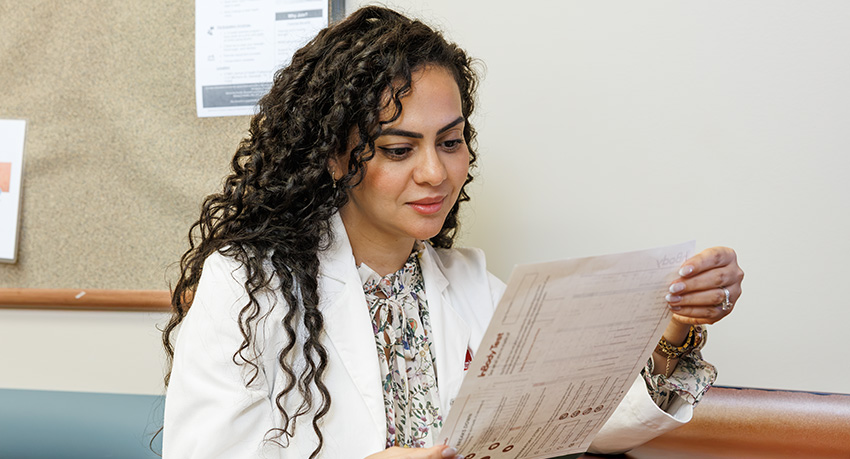
Obesity is about more than excess weight. A UTMB Health obesity medicine specialist explains how chronic inflammation can damage organs quietly, raise the risk of serious diseases, and why even modest weight loss can improve long-term health.
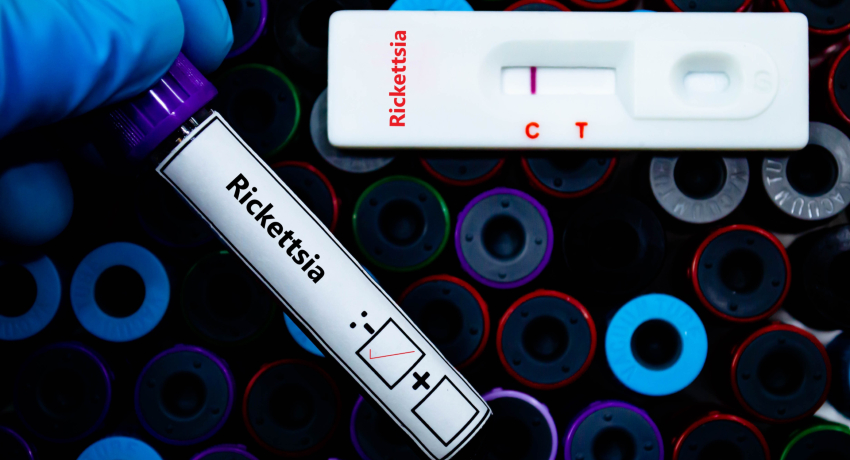
Researchers urge early recognition and treatment as murine typhus continues to reemerge along the Texas Gulf Coast.
"You don’t have to overhaul your entire routine at once — pick one habit, stick with it, and build from there. Your brain will thank you for it, tonight and years from now." — Jack Tiller, MD-PhD student at UTMB
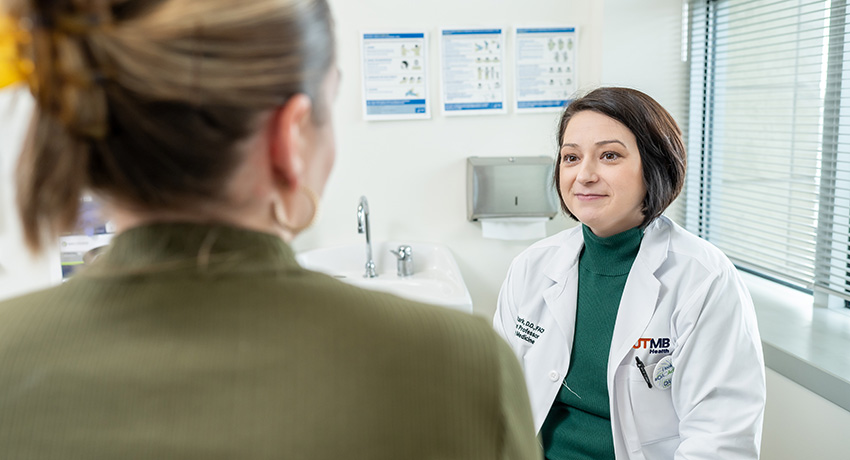
Medicare beneficiaries may now be eligible for GLP-1 weight management medications at a capped cost of just $50 per month. Learn who qualifies for the Medicare GLP-1 Bridge program and how UTMB can help you navigate the process.
“Our findings show these vaccines generate a remarkably broad immune response. Even without interferon-gamma, which has long been considered one of the immune system’s most important antibacterial defenses, vaccinated animals remained protected from lethal pneumonic plague." — Ashok Chopra, CSc, PhD

After years of losing and regaining weight, Lynda Patrick turned to UTMB Health for help. Working with the weight management team, she underwent gastric bypass surgery in 2024 and has since lost more than 130 pounds, dramatically improving her health.

Healthy sleep routines help children focus, learn, grow, and feel ready for school. Learn how families can reset bedtime routines and support better sleep before the school year starts.

The findings suggest the vaccines trigger multiple layers of immune protection and could help advance the development of more effective plague vaccines.
“Interventional neurosurgery has transformed the treatment of stroke, aneurysms, and other brain and spinal disorders,” said Dr. Matias Costa, the study’s lead author from the Department of Neurosurgery at The University of Texas Medical Branch (UTMB). “We are now exploring whether these same techniques can help patients suffering from severe pain.”
About The University of Texas Medical Branch
The first academic health center in Texas opened its doors in 1891 and today has four campuses, five health sciences schools, seven institutes for advanced study, a research enterprise that includes one of only two national laboratories dedicated to the safe study of infectious threats to human health, a Level 1 Trauma Center and a health system offering a full range of primary and specialized medical services throughout the Texas Gulf Coast region. UTMB is an institution in The University of Texas System and a member of the Texas Medical Center.