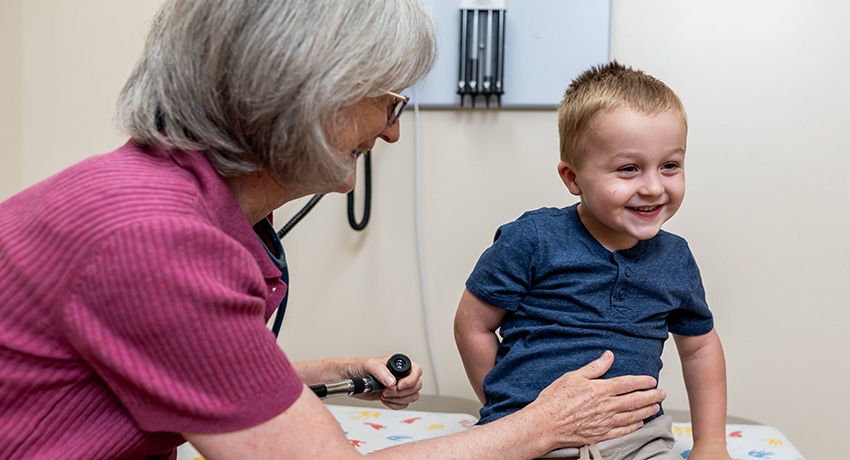
Back-to-school season brings new learning opportunities—and plenty of germs. Discover how small daily changes can help keep children healthier, minimize missed school days, and support a stronger start to the school year.

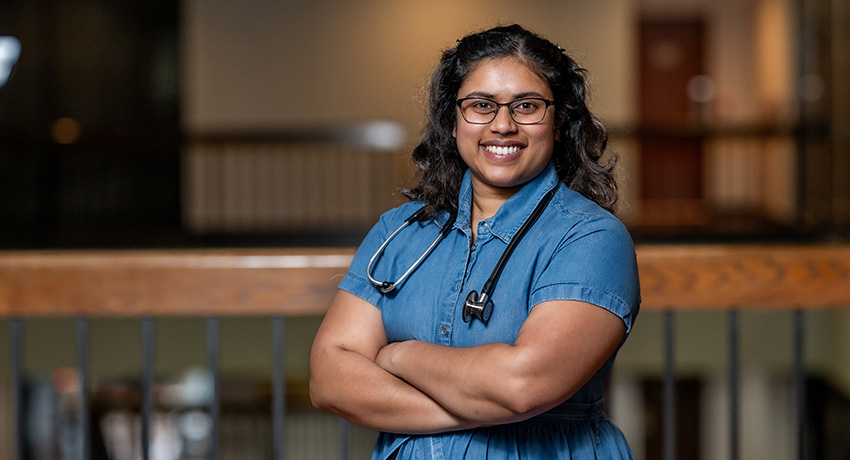
Family Nurse Practitioner Alma Chavez answers this and nine of the other most-Googled health-related questions in Texas.
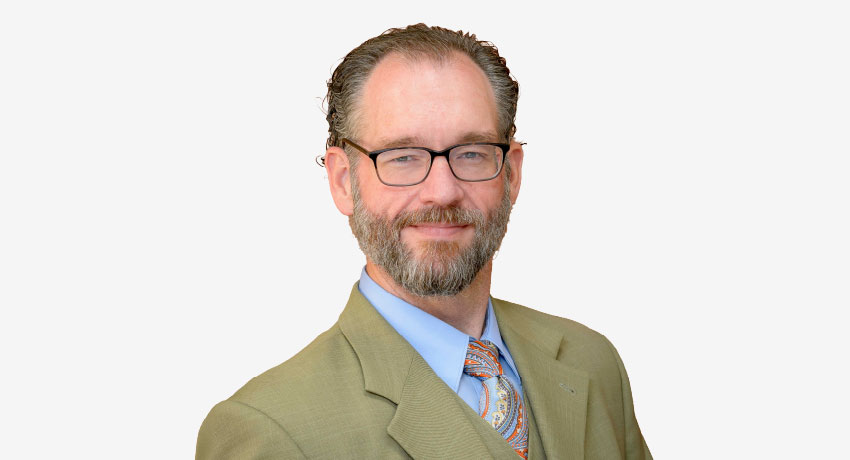
After serving on the UT System Employee Advisory Council’s Resources and Support Committee and as vice chair of the executive board, Will McWhorter now leads the systemwide employee advisory group.
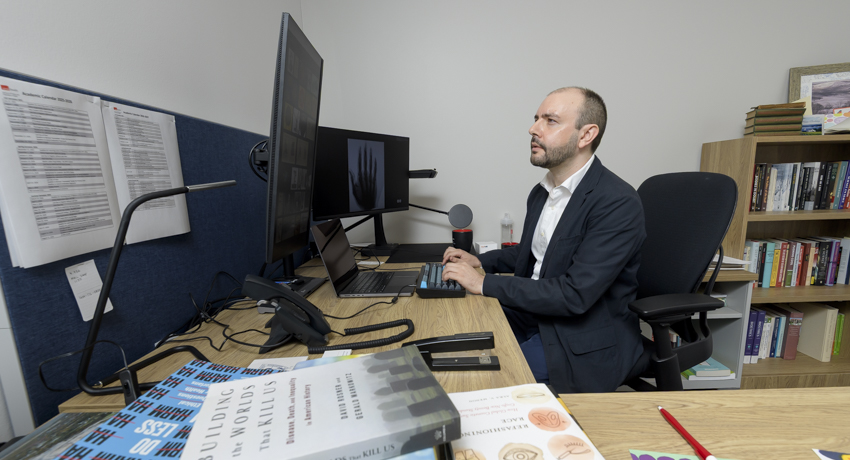
Artificial intelligence is transforming medical diagnosis, but bioethicists at UTMB say technology should support, not replace, physicians. Beyond speed and accuracy, they say diagnosis is about trust, patient care, ethics, and protecting privacy.
Meredith Masel, PhD, director of the Oliver Center for Patient Safety and Quality Healthcare at UTMB, joins other healthcare professionals in advising on the questions to ask, things to do, and mistakes to avoid to ensure a smooth transition and recovery at home.
Back-to-school jitters are more common than many parents realize, and anxiety can show up in surprising ways. Learn how to recognize the signs, support your child through the transition, and help them build confidence for a successful school year.
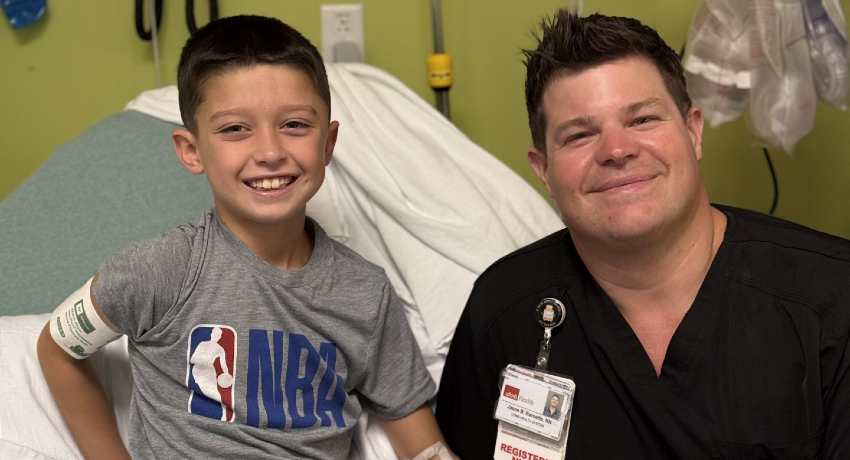
When an ordinary basketball play left 9-year-old Jonah with a hidden brain bleed, UTMB Health pediatric experts guided him from a frightening diagnosis to a full return to the sport he loves.
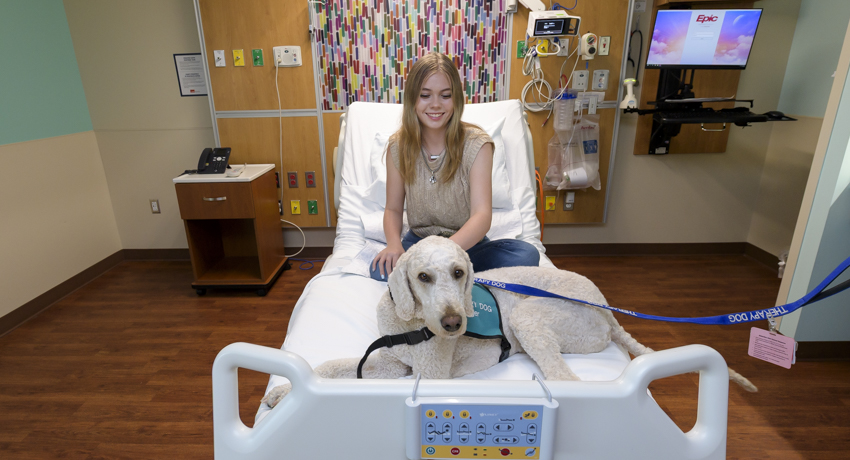
Following two major spinal fusion revision surgeries, 16-year-old Lilly Tucker spent six weeks at UTMB Health recovering from temporary partial paralysis. During her rehabilitation, visits from dogs in the pet therapy program provided comfort, eased anxiety, and motivated her to walk farther and faster during physical therapy.
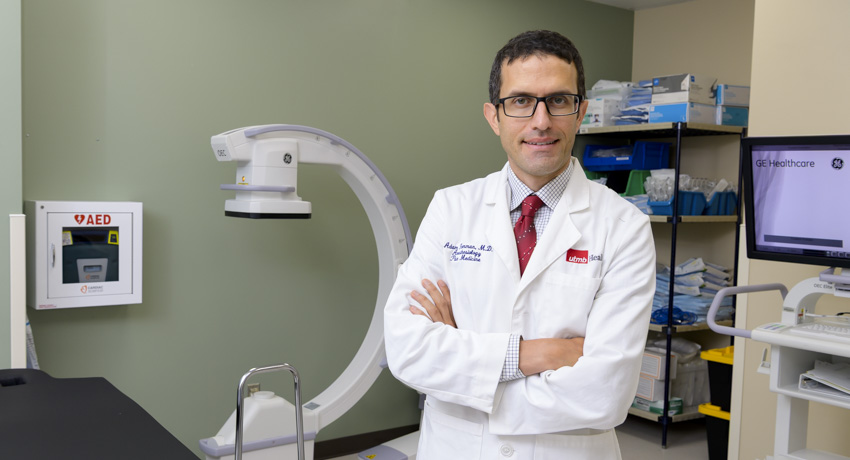
Patients seeking pain treatment are increasingly asking about alternatives to opioids. Physicians at UTMB Health emphasize personalized care that targets the source of pain through procedures, physical therapy, lifestyle changes, and psychological support.
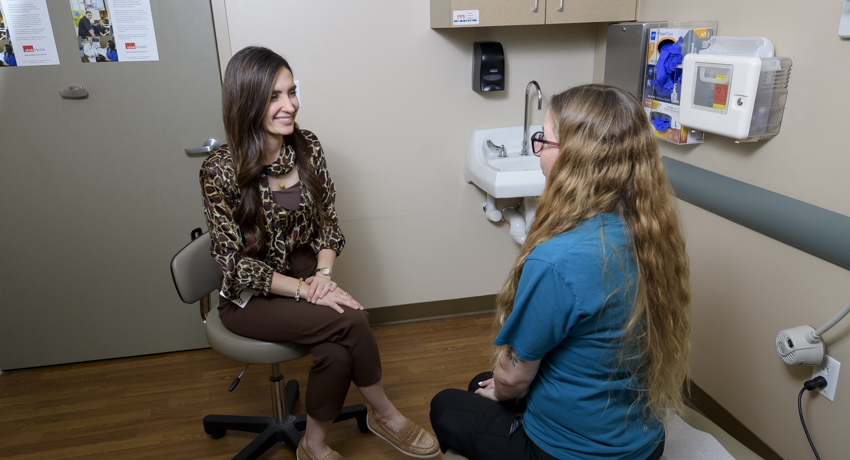
Weight loss and weight maintenance are two different biological processes, according to UTMB endocrinologist Israa Ali, MD. While losing weight requires creating a calorie deficit, maintaining that loss requires overcoming the body’s natural responses, including a slower metabolism and increased hunger signals designed to restore lost weight.
About The University of Texas Medical Branch
The first academic health center in Texas opened its doors in 1891 and today has four campuses, five health sciences schools, seven institutes for advanced study, a research enterprise that includes one of only two national laboratories dedicated to the safe study of infectious threats to human health, a Level 1 Trauma Center and a health system offering a full range of primary and specialized medical services throughout the Texas Gulf Coast region. UTMB is an institution in The University of Texas System and a member of the Texas Medical Center.