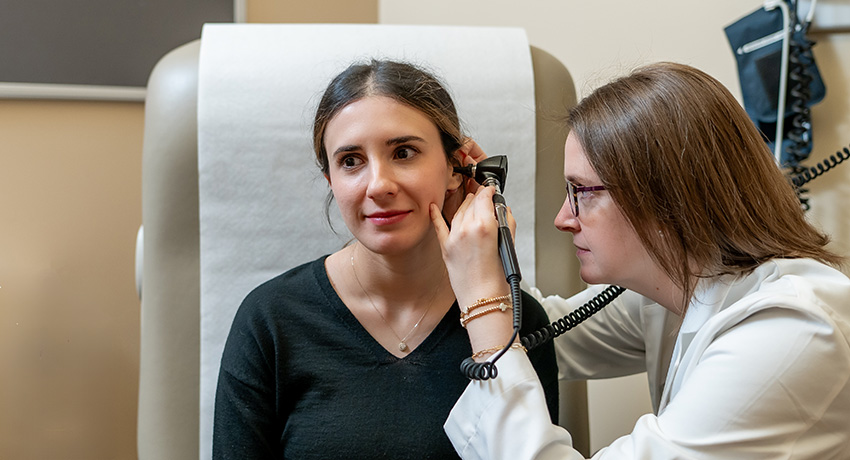
Some infections are expected — especially in kids — but patterns of severe, persistent, or unusual illness deserve attention. UTMB Health experts provide gentle, thorough assessments to understand how your immune system is working and what steps can improve your family’s health.
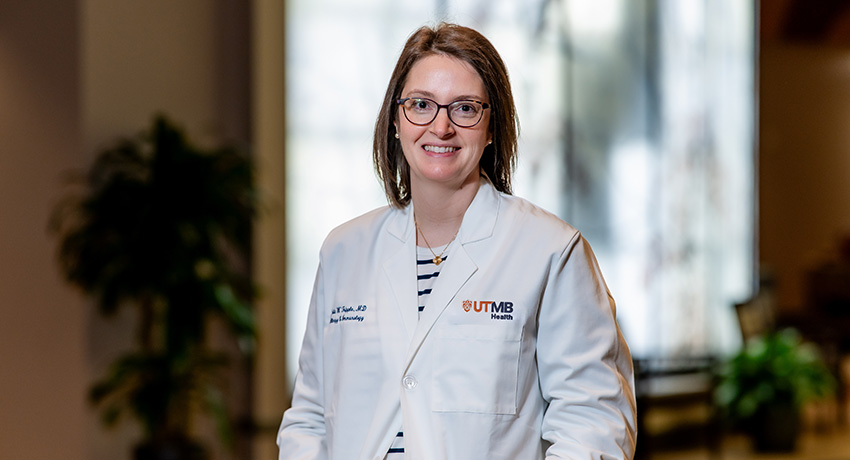
Most bee stings are harmless, but some can trigger dangerous reactions that require immediate care. Knowing the difference between normal swelling and signs of anaphylaxis can help you act fast and stay safe.

By redesigning how cardiac magnetic resonance (CMR) imaging is managed and streamlining the clinical workflow, average scan times dropped by 35.1% over seven months — from 94.7 minutes down to 61.4 minutes at UTMB Health.
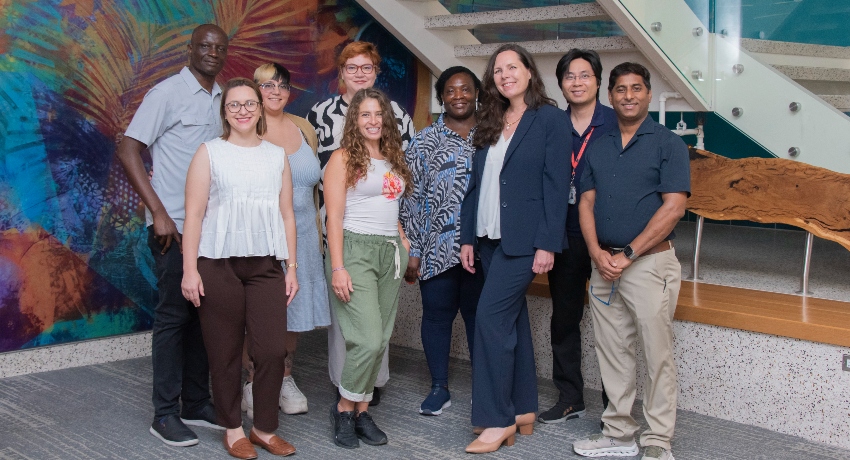
The University of Texas Medical Branch has been recognized by the National Postdoctoral Association for its Postdoctoral Certificate Program, which helps early-career scientists build leadership and professional skills. The award honors the UTMB commitment to supporting postdoctoral scholars' long-term career success.
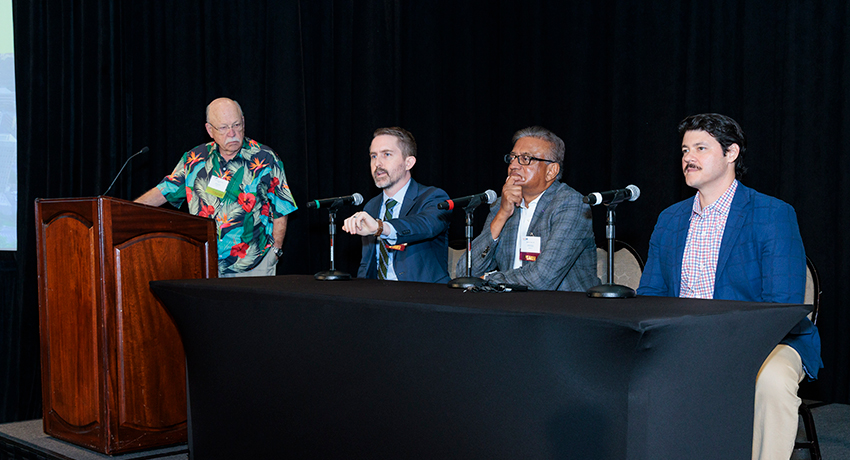
For 75 years, the UTMB Health Pediatrics by the Gulf conference has brought pediatric healthcare professionals together for continuing education. This year’s event featured expert-led sessions on vaccines, mental health, policy updates, and clinical care, while celebrating a legacy of advancing children’s health across Texas.
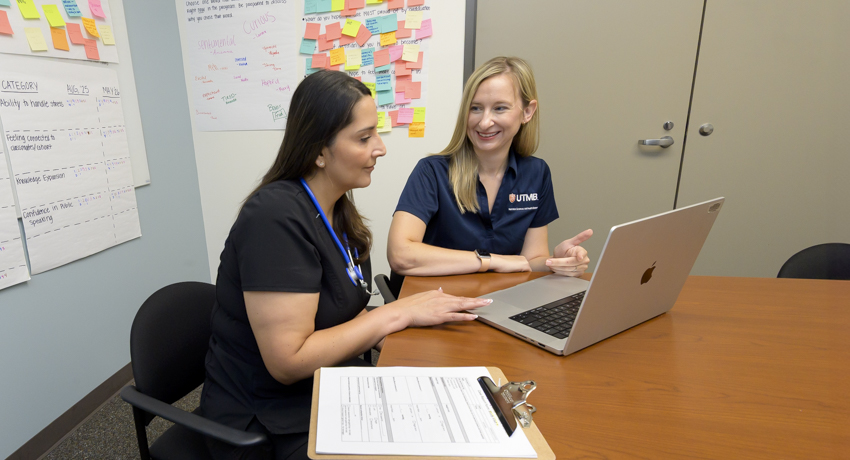
UTMB researchers have found that combining cognitive behavioral therapy for insomnia (CBT-I) with education about managing hot flashes significantly improved sleep in perimenopausal and postmenopausal women whose nighttime hot flashes disrupted rest.
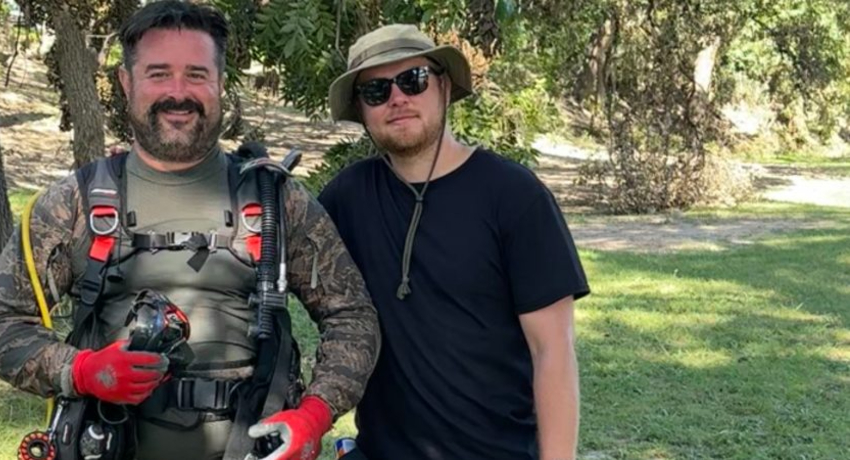
July 4 marks the first anniversary of the devastating flooding that killed 139 people in the Texas Hill Country. Two UTMB rehabilitation therapists were on the ground and in the water in the aftermath of the flood as part of an exhaustive search-and-rescue effort.
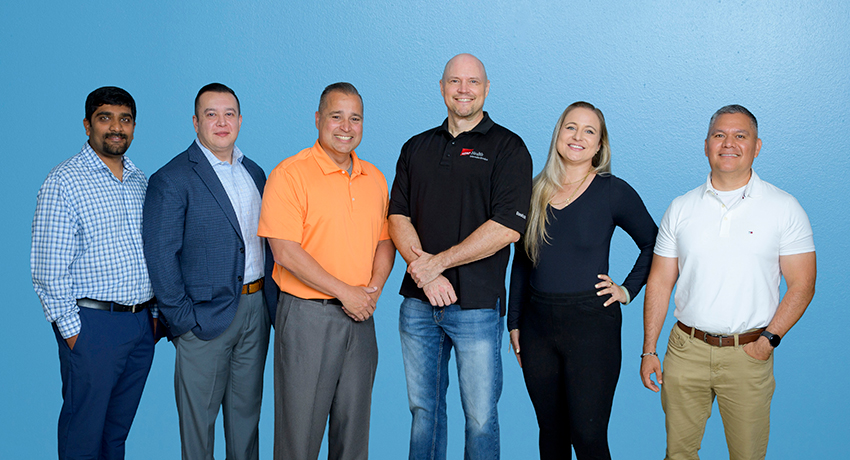
At UTMB Health, algorithms are used to advance patient care in high-demand specialties, including nephrology, endocrinology, infectious disease, and rheumatology, helping determine which patients should be prioritized. The UTMB ITS core innovation team codevelops and implements these projects.

Fireworks can cause serious burn injuries in seconds. The University of Texas Medical Branch (UTMB Health) Blocker Burn Unit encourages simple safety steps and recommends attending professional displays to reduce risk.

Fireworks can turn dangerous in seconds—leading to burns, eye injuries, and lasting trauma. Learn simple, expert-backed steps to keep your family safe this Fourth of July.
About The University of Texas Medical Branch
The first academic health center in Texas opened its doors in 1891 and today has four campuses, five health sciences schools, seven institutes for advanced study, a research enterprise that includes one of only two national laboratories dedicated to the safe study of infectious threats to human health, a Level 1 Trauma Center and a health system offering a full range of primary and specialized medical services throughout the Texas Gulf Coast region. UTMB is an institution in The University of Texas System and a member of the Texas Medical Center.