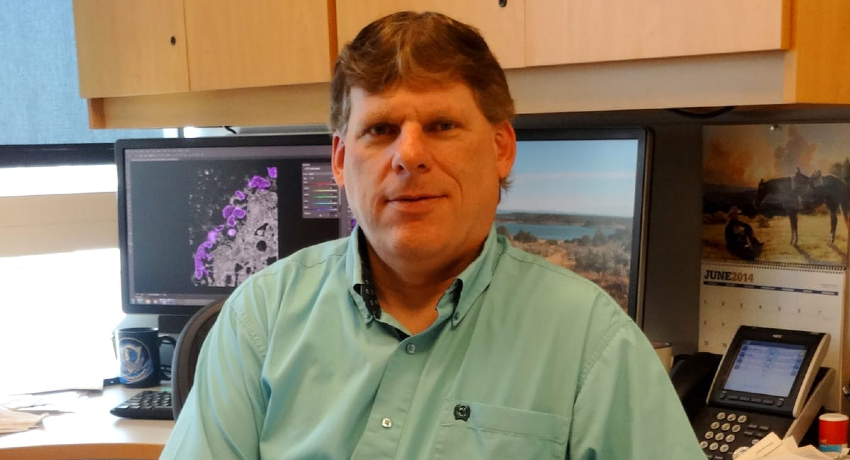
Early studies show a Bundibugyo Ebola vaccine candidate protected nonhuman primates, supporting preparedness as the Democratic Republic of the Congo and neighboring countries work to contain cases.

The link between early neuronal damage and the brain’s immune response is poorly understood, but the significance of concussive injury has become a topic of public interest over the last few years, especially in the context of sports injuries. In this study, UTMB researchers were interested in the type of concussion that occurs when impact does not penetrate the brain but causes it to move inside the skull, resulting in injury.
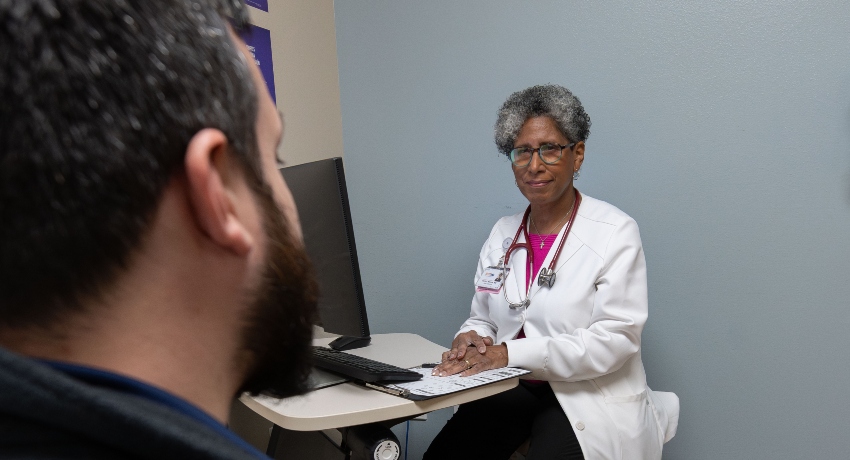
Primary care physicians say regular checkups and age-appropriate screenings are essential at every stage of life, helping patients identify risks early and make informed decisions about their health. Alicia Monroe, MD, with the Department of Family Medicine and Community Health at UTMB Health, said preventive care should evolve over time.
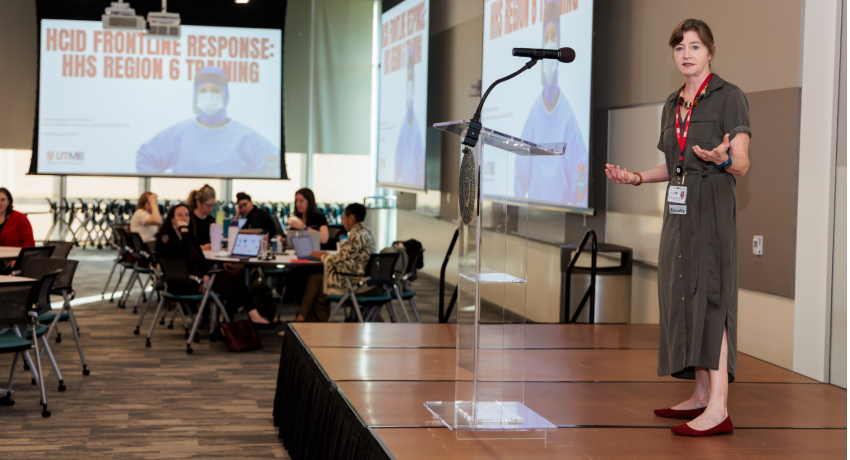
From advanced biocontainment care to regional training, UTMB is strengthening readiness to protect patients, healthcare workers, and communities from emerging infectious threats.
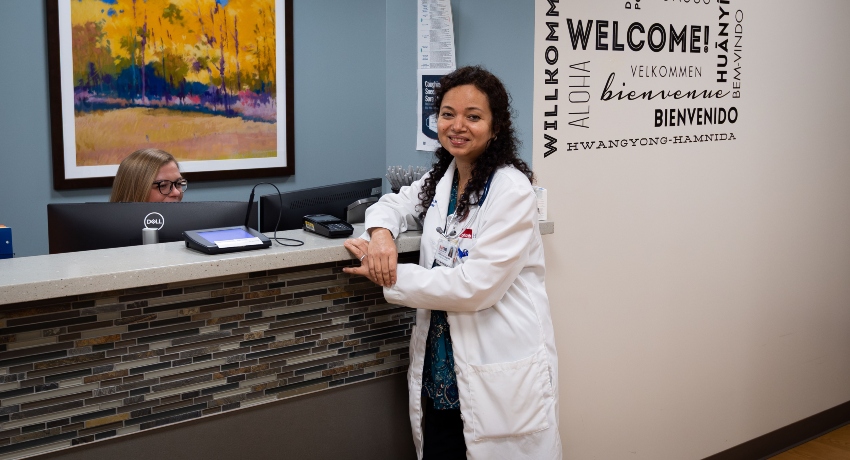
Choosing the right level of care — primary care, urgent care or the emergency room — can save time, improve outcomes, and reduce costs. Madhumita Banga, MD, stresses that having a primary care provider and staying current with preventive care can help catch issues early and guide patients to the appropriate care when problems arise.

Sarah Dang, a first-year medical student at UTMB, balances rigorous studies in anatomy with a passion for contortion, a discipline she discovered through childhood curiosity and later developed through international training, including time in France and Mongolia.
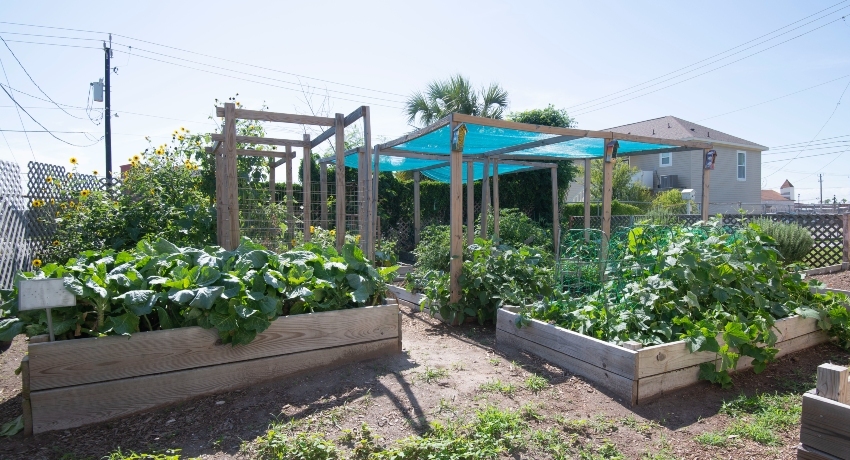
As food pantries face rising demand, UTMB is expanding a St. Vincent’s House vegetable garden through UTMB President’s Cabinet grants. The project grows fresh produce for pantry shelves while giving students hands-on training in community nutrition.
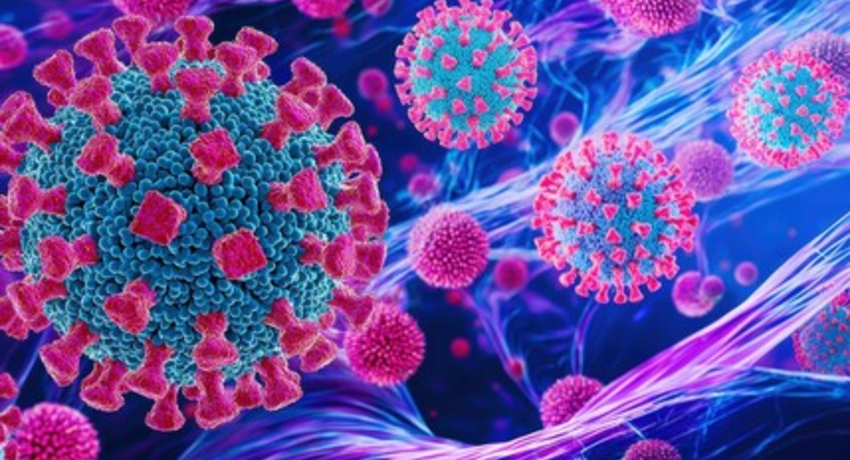
UTMB scientists identified two SARS-CoV-2 proteins that suppress early immune defenses, advancing understanding of COVID-19 infection and informing future antiviral and vaccine strategies.
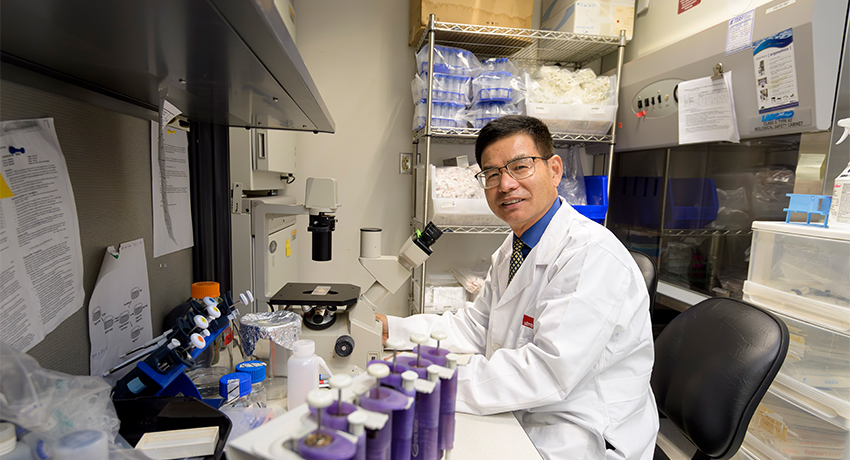
Researchers are increasingly linking age-related changes in the intestinal microbiome to chronic inflammation, liver dysfunction, and higher cancer risk, suggesting gut health plays a key role in long-term disease prevention.
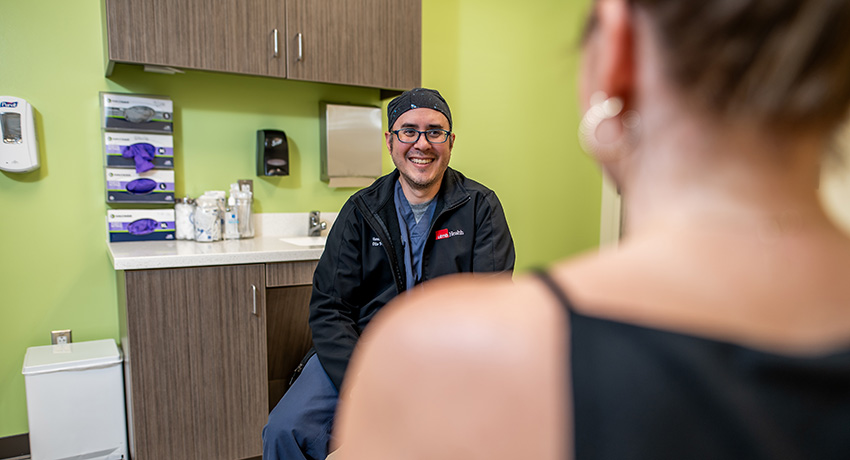
Preventive women’s health care isn’t just about annual checklists, it’s about catching concerns early and building care that lasts a lifetime. UTMB Health doctors explain why the appointments women delay may matter most.
About The University of Texas Medical Branch
The first academic health center in Texas opened its doors in 1891 and today has four campuses, five health sciences schools, seven institutes for advanced study, a research enterprise that includes one of only two national laboratories dedicated to the safe study of infectious threats to human health, a Level 1 Trauma Center and a health system offering a full range of primary and specialized medical services throughout the Texas Gulf Coast region. UTMB is an institution in The University of Texas System and a member of the Texas Medical Center.