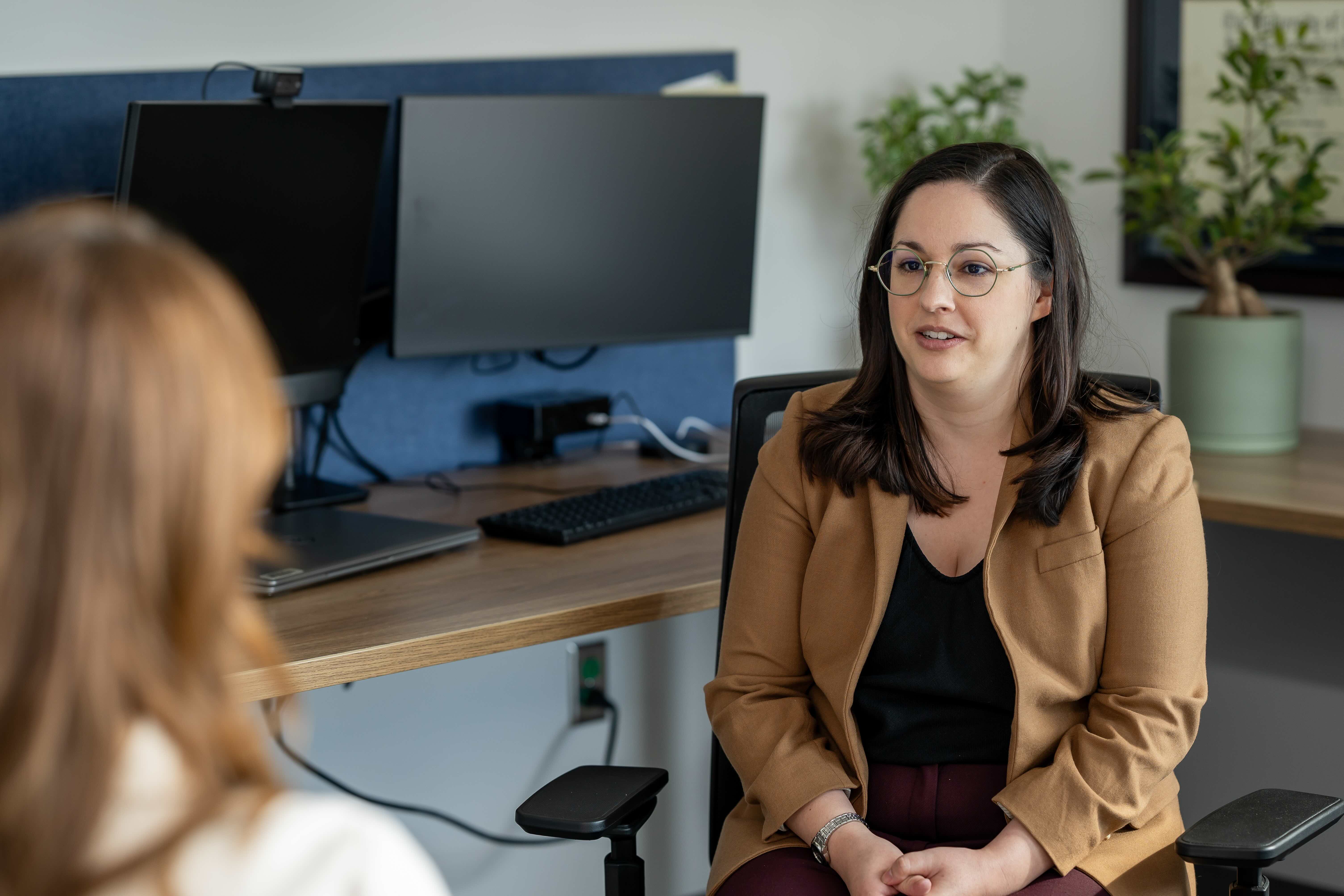
A breast cancer diagnosis is life-changing news. Understanding the emotional impact is the first step in supporting patients and families as they cope with everything and move forward toward treatment and recovery.
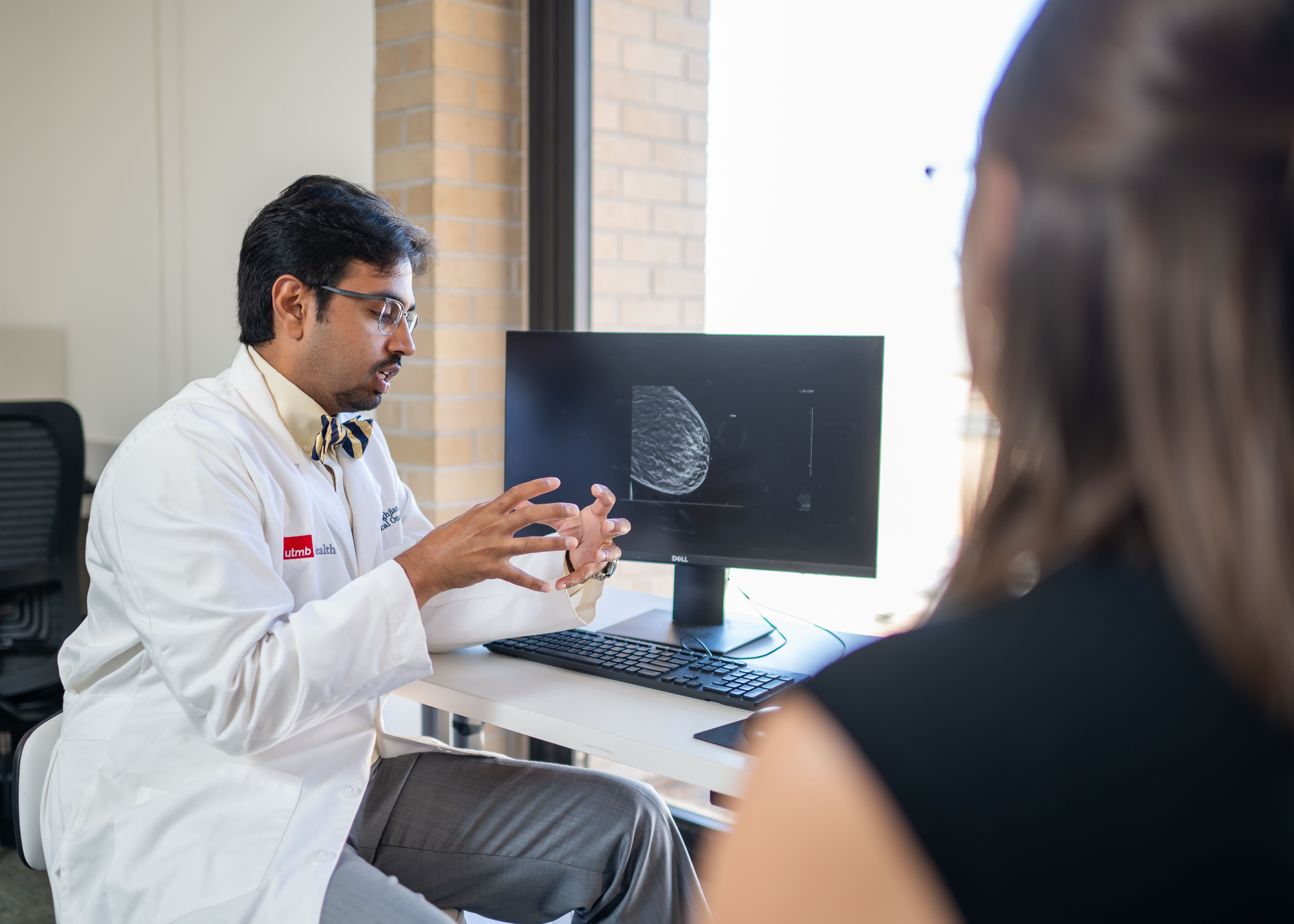
A breast cancer diagnosis is generally the worst news a woman can receive, but although the journey is challenging, there are also many reasons for genuine hope. Each year, more women are not only surviving breast cancer, but thriving afterward, thanks to treatments that are more effective and more compassionate than ever.
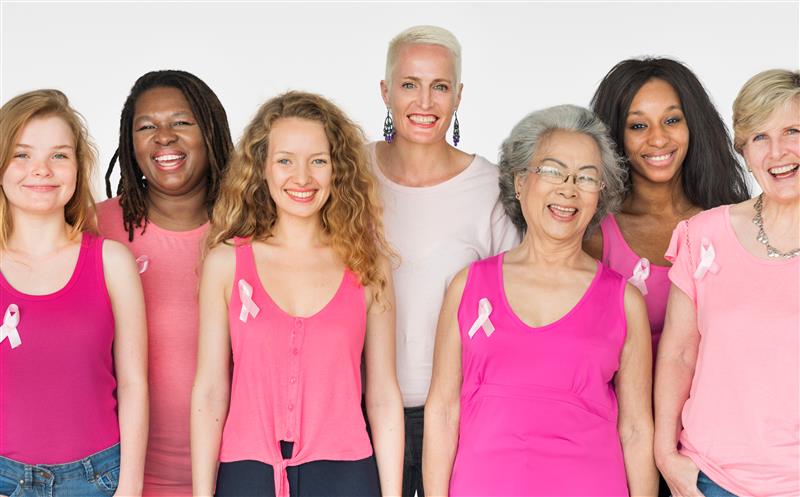
Breast health is highly individual, with varying expert opinions and personal risk factors, making early education and proactive care essential. Understand your risk through family history and medical consultation, know your breasts by recognizing changes, and follow personalized screening plans with your doctor.
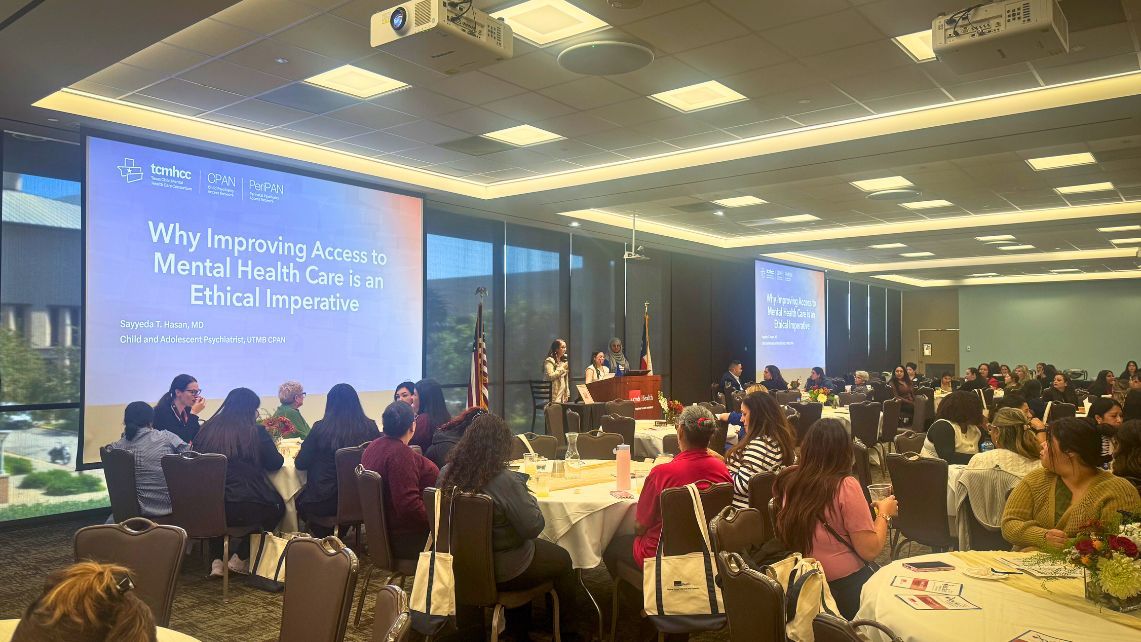
The University of Texas Medical Branch is hosting the 3rd Annual Howard and Lillian Becker Perinatal Care Conference today and Thursday at its Galveston Campus, serving as the required annual all-staff training mandated by the Texas Health and Human Services Commission through UTMB Regional Women’s Services and Pediatrics (RWSP) grants.
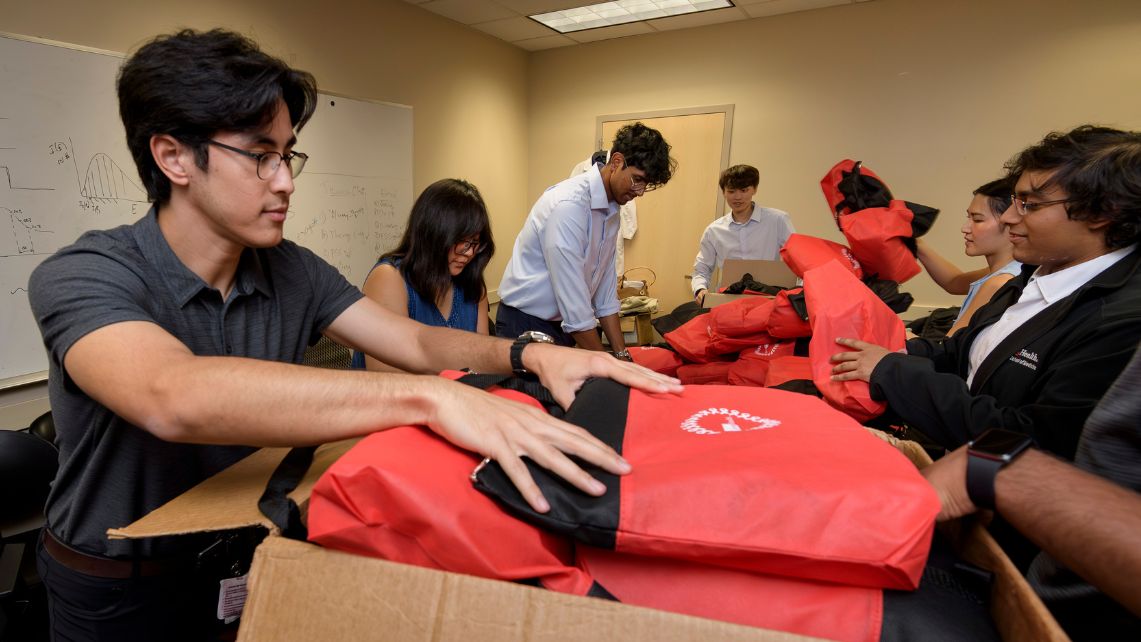
Second-year medical students at the University of Texas Medical Branch assembled 400 Chemo Comfort Kits to support patients undergoing the physically taxing and emotionally challenging treatment of chemotherapy.
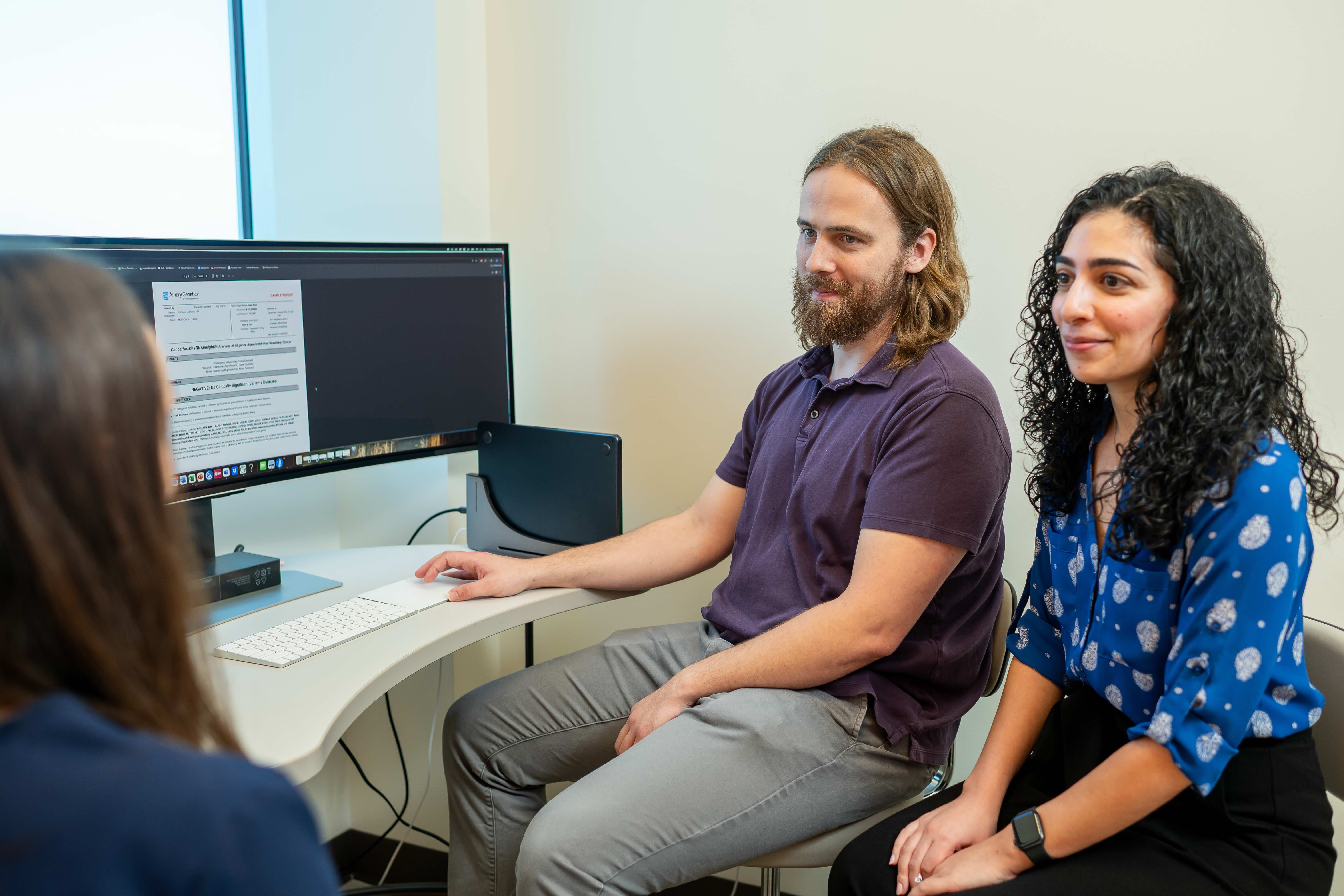
Young women with a family history of breast cancer can benefit from genetic counseling to assess hereditary risk, guide screening decisions, and consider lifestyle changes. UTMB counselors stress self-advocacy and early awareness for better outcomes.
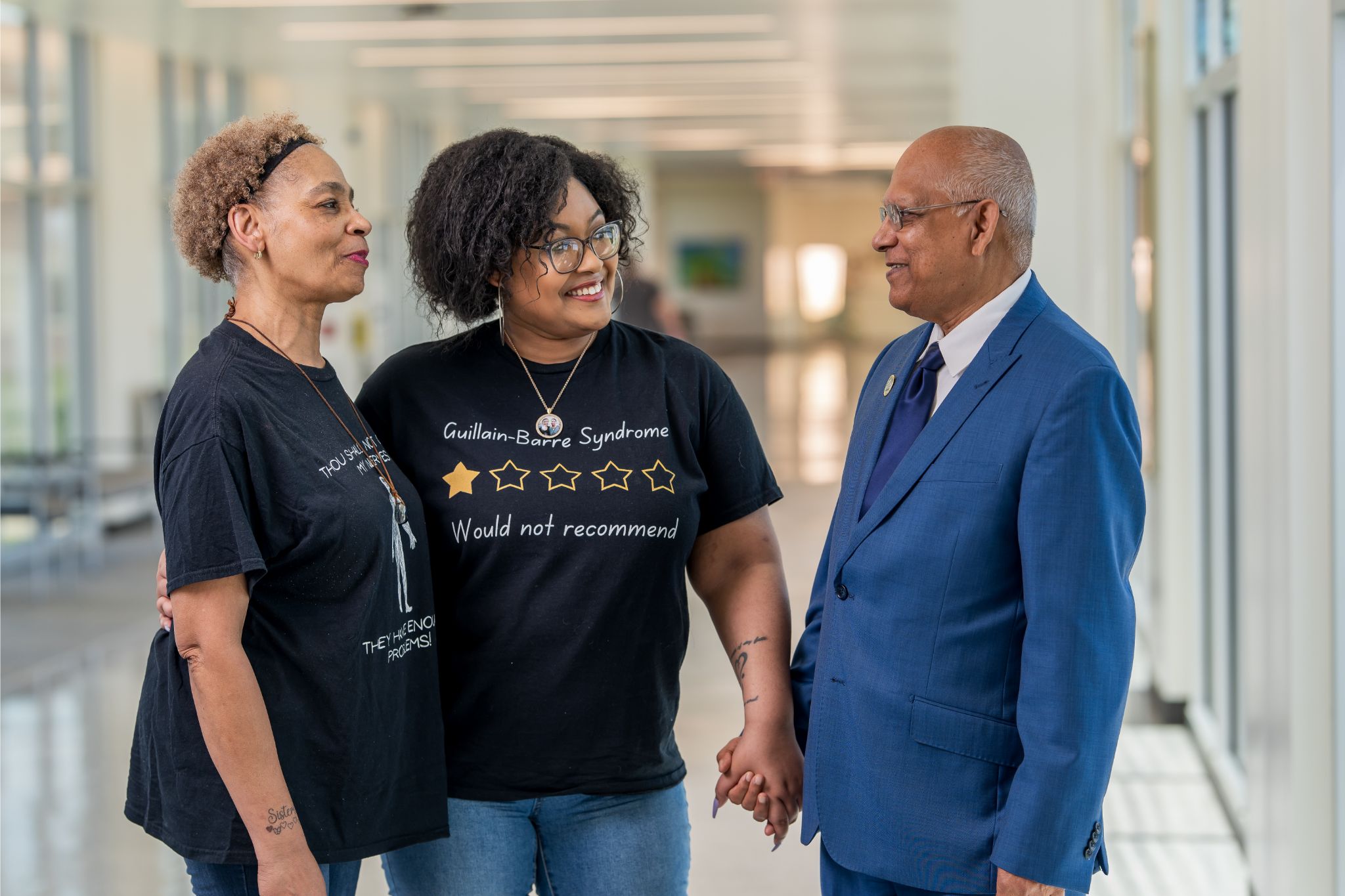
There are two important things Yuniquie Robinson shares with others about her journey with Guillain-Barré syndrome, a rare neurological disorder. First, she reminds everyone that self-advocacy in a medical space is critical. The second is to go straight to UTMB for help.
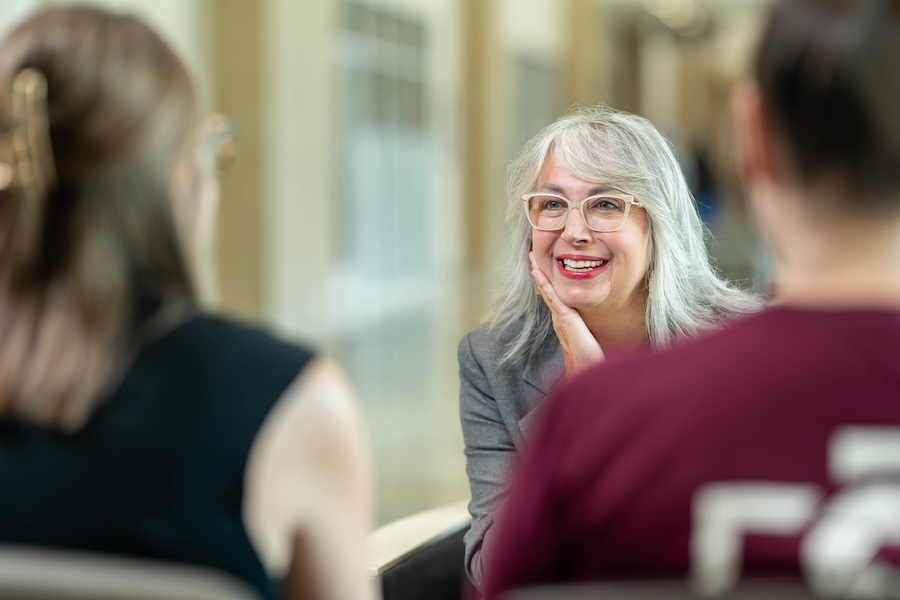
UTMB is reviving its breast cancer support group, “Reconstruction of a Survivor,” to help patients and families find strength through shared experiences. Led by LCSW Bridget Simonin, the group offers emotional support, resources, and community for those navigating breast cancer.
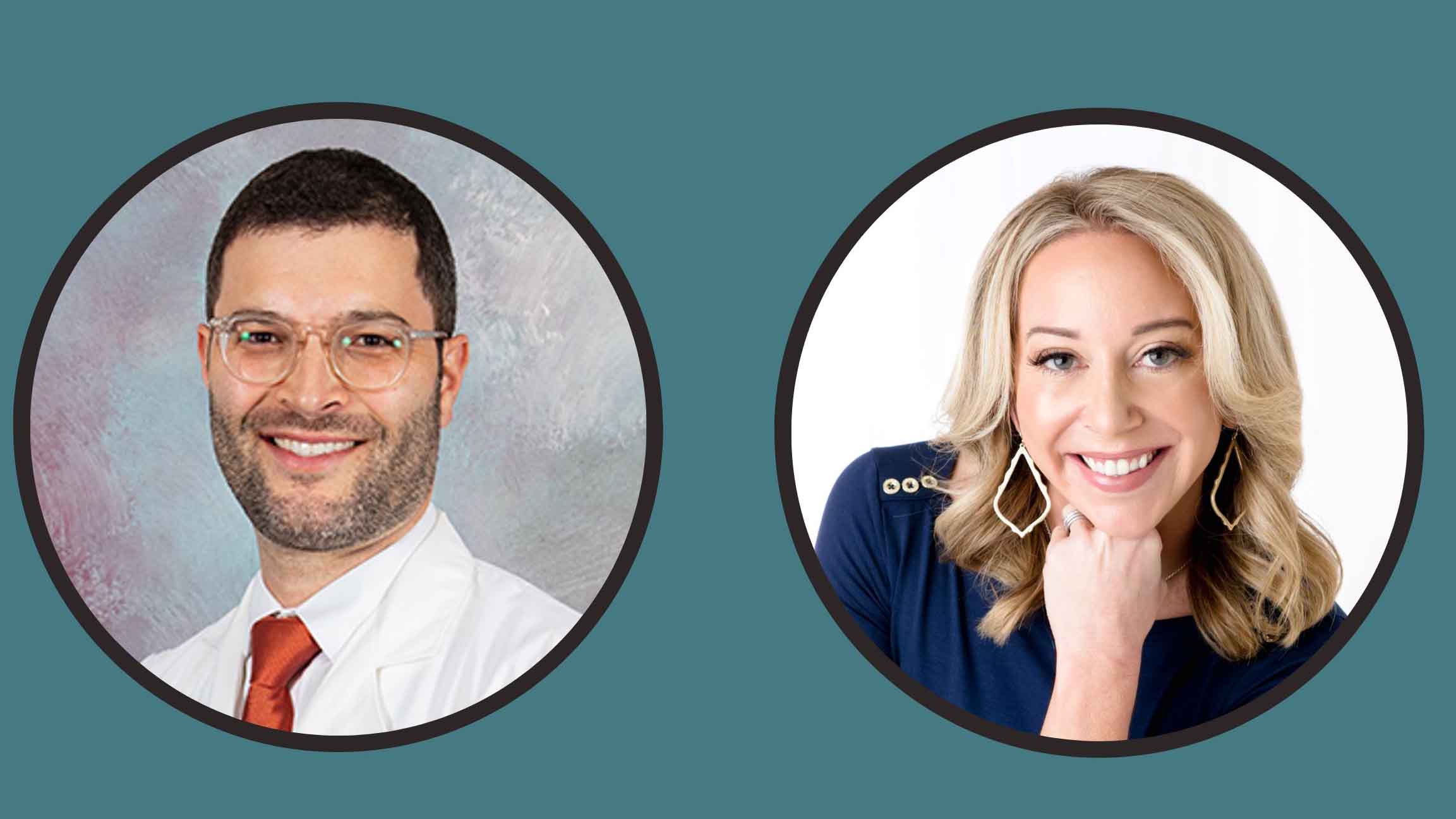
UTMB Pediatric Urologist Dr. Jonathan Gerber spoke with Houston Moms host Meagan Clanahan, covering topics like circumcision, bedwetting, and other common urological issues in children. Get expert insights and practical advice every parent should hear.

The University of Texas Medical Branch has been awarded a seven-year, $29 million Clinical and Translational Science Award (CTSA) from the National Institutes of Health’s National Center for Advancing Translational Sciences (NCATS) to establish and lead the new Greater Gulf Coast Translational Science Alliance (GGCTSA).
About The University of Texas Medical Branch
The first academic health center in Texas opened its doors in 1891 and today has four campuses, five health sciences schools, seven institutes for advanced study, a research enterprise that includes one of only two national laboratories dedicated to the safe study of infectious threats to human health, a Level 1 Trauma Center and a health system offering a full range of primary and specialized medical services throughout the Texas Gulf Coast region. UTMB is an institution in The University of Texas System and a member of the Texas Medical Center.