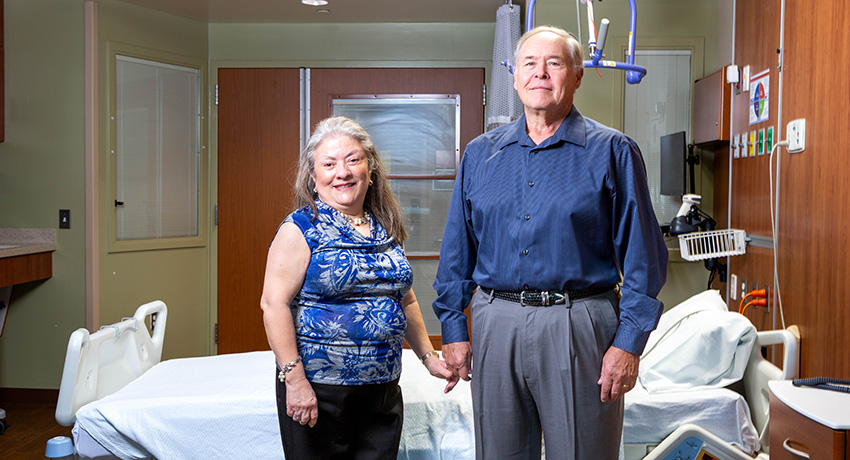
One day in Galveston last year, David Hirsch, a policeman, walked into the Sealy Heart and Vascular Institute carrying a large bag. He was there to talk about artificial intelligence (AI) and, like many people, he was skeptical. But not many people have had as close a relationship with AI and what it can do as Hirsch.
Months earlier, using new AI detection tools, Hirsch’s physician, cardiologist Dr. Hani Jneid at The University of Texas Medical Branch (UTMB), was able to identify subclinical coronary heart disease and initiate a comprehensive treatment plan
“I got this letter out of the blue,” Hirsch said. The letter informed him that an AI program had analyzed his CT scans, which he’d received for his lungs, and was recommending he make an appointment with a cardiologist. “So, that’s what I did.”
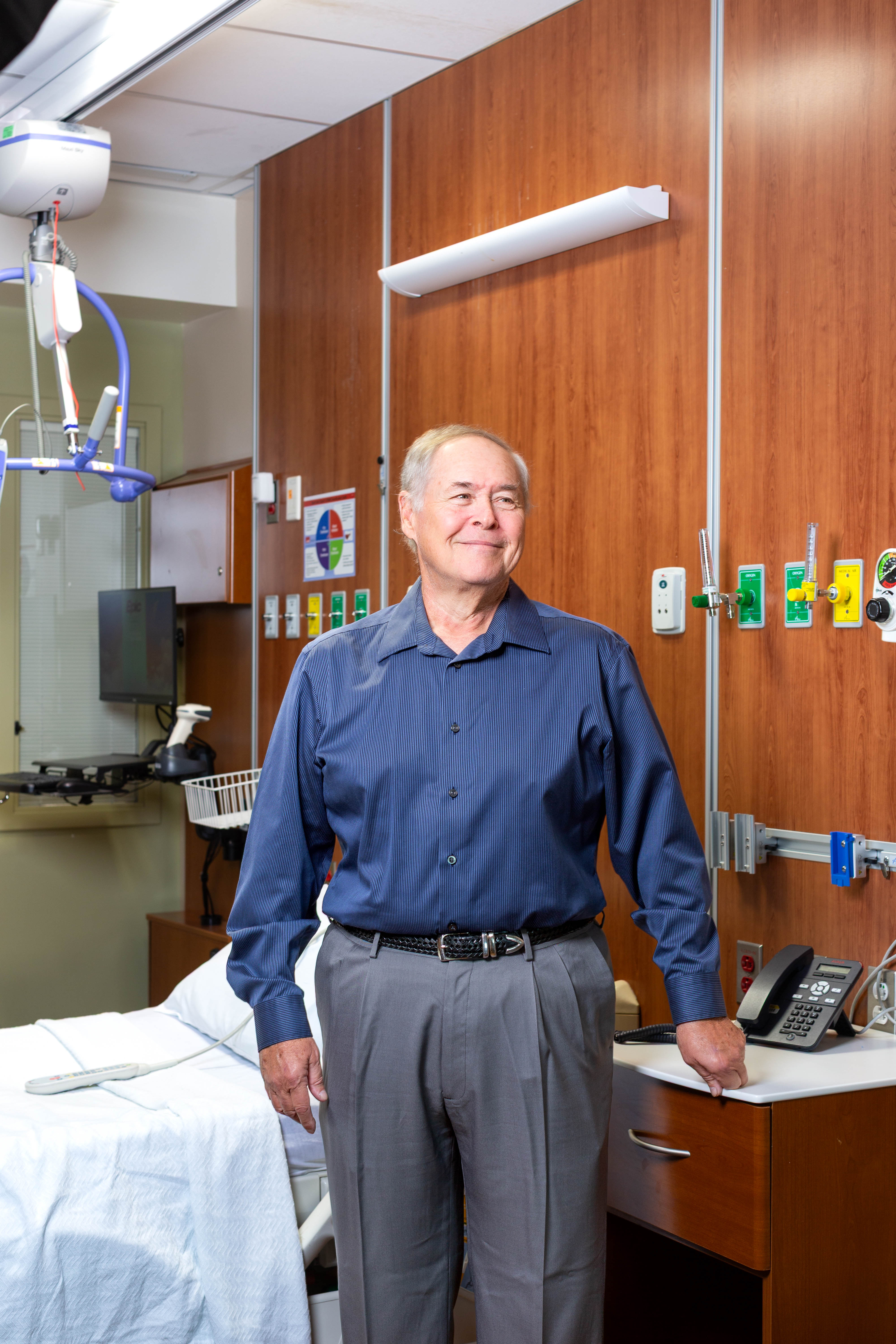
“It was kind of like a check engine light to me,” Hirsch explained of his initial reaction. “It’s like the computer was saying, ‘Hey, something’s the matter. Look into it.’”
This story underscores what makes the new Sealy Heart and Vascular Institute a distinctive place for patient care. The institute is led by Jneid, its founding director who also serves as Chair of the Department of Cardiovascular Medicine and Vice President of Cardiovascular Operations at UTMB. Beyond its innovative medical technology, the center integrates clinical excellence with compassion, experience, and a steadfast commitment to patient-centered care—delivering elite cardiovascular treatment at a time when it is needed more than ever.
Heart disease is the leading cause of death in Texas, and along the Gulf Coast, high rates of obesity, diabetes, and hypertension continue to fuel cardiovascular risk.
“If we did not apply this AI tool, his diagnosis would have been missed for some time,” Jneid said of Hirsch. “He could have had a heart attack or sudden cardiac death.”
Officially launched in September 2025, the Sealy Heart and Vascular Institute is the first fully clinically integrated institute in the history of The University of Texas System. And Jneid envisioned the Institute as more than a structural reorganization.
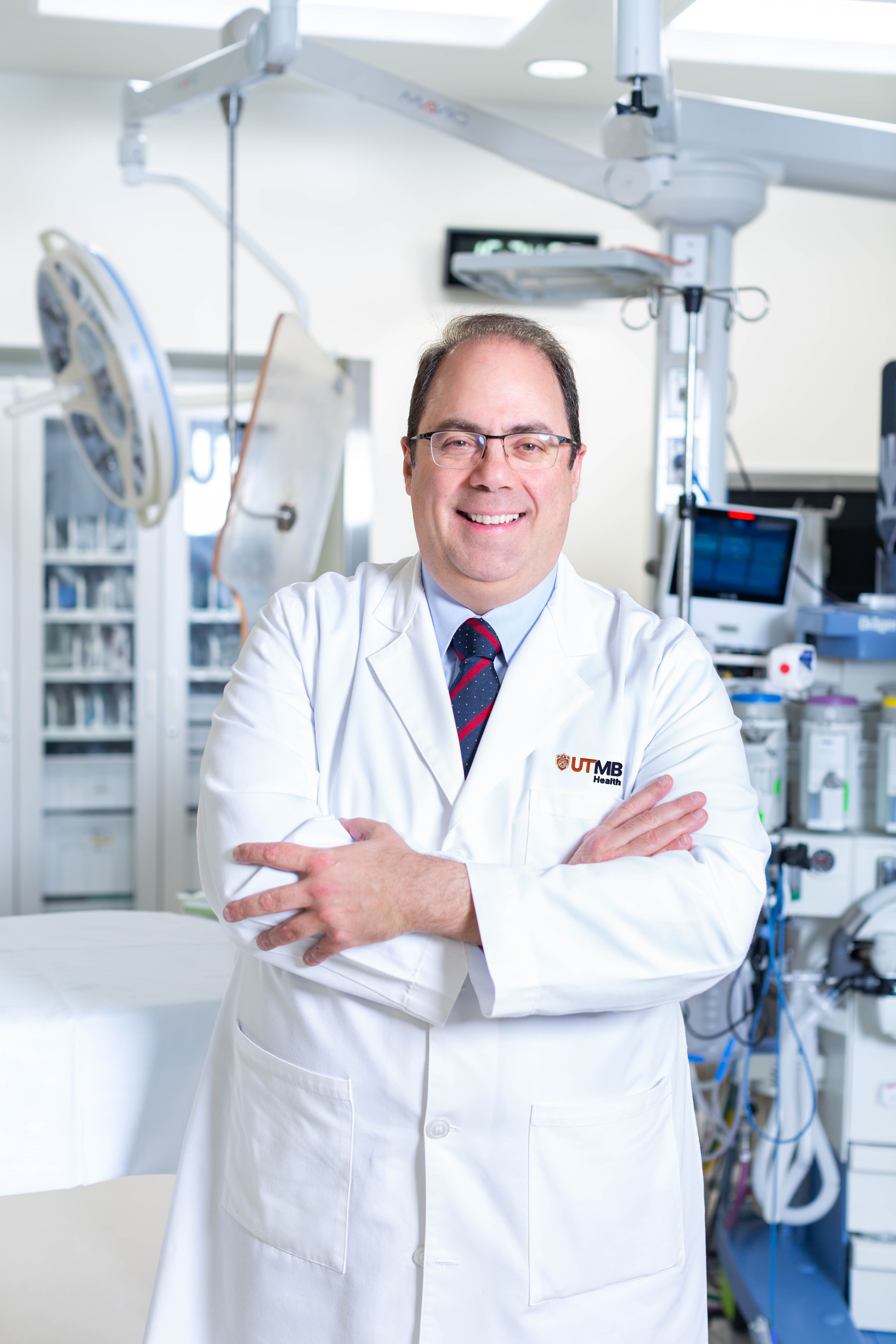
“The Institute is a transformational platform designed to elevate cardiovascular care across the region and beyond,” he said. “Our goal is not only to serve as a regional leader, but to build a national and international destination for cardiovascular excellence, where patients travel from across the United States and around the world to receive advanced, comprehensive, and compassionate care.
“Our focus is on clinical excellence, expeditious ambulatory access, and the development of highly specialized clinical programs that address complex and high-risk conditions. At the same time, we foster a culture of research, innovation, and academic rigor, ensuring that discovery and implementation science remain central to our mission.”
An equally central pillar of the Institute’s mission is the comprehensive training of future cardiovascular specialists alongside sustained community engagement efforts aimed at improving population health. This commitment is demonstrated through the significant expansion of its cardiology fellowship training program, now among the largest in Texas.
It is also exemplified by the launch of the prospective Galveston Heart Study, a longitudinal, population-based research initiative designed to systematically examine cardiovascular health trends over time and generate data to inform prevention strategies and health policy across diverse communities. Through these efforts, the Institute is laying the foundation for a durable center of excellence that integrates patient care, education, research, and community impact under one unified vision.
With stories like Hirsch’s, they’re already well on their way.
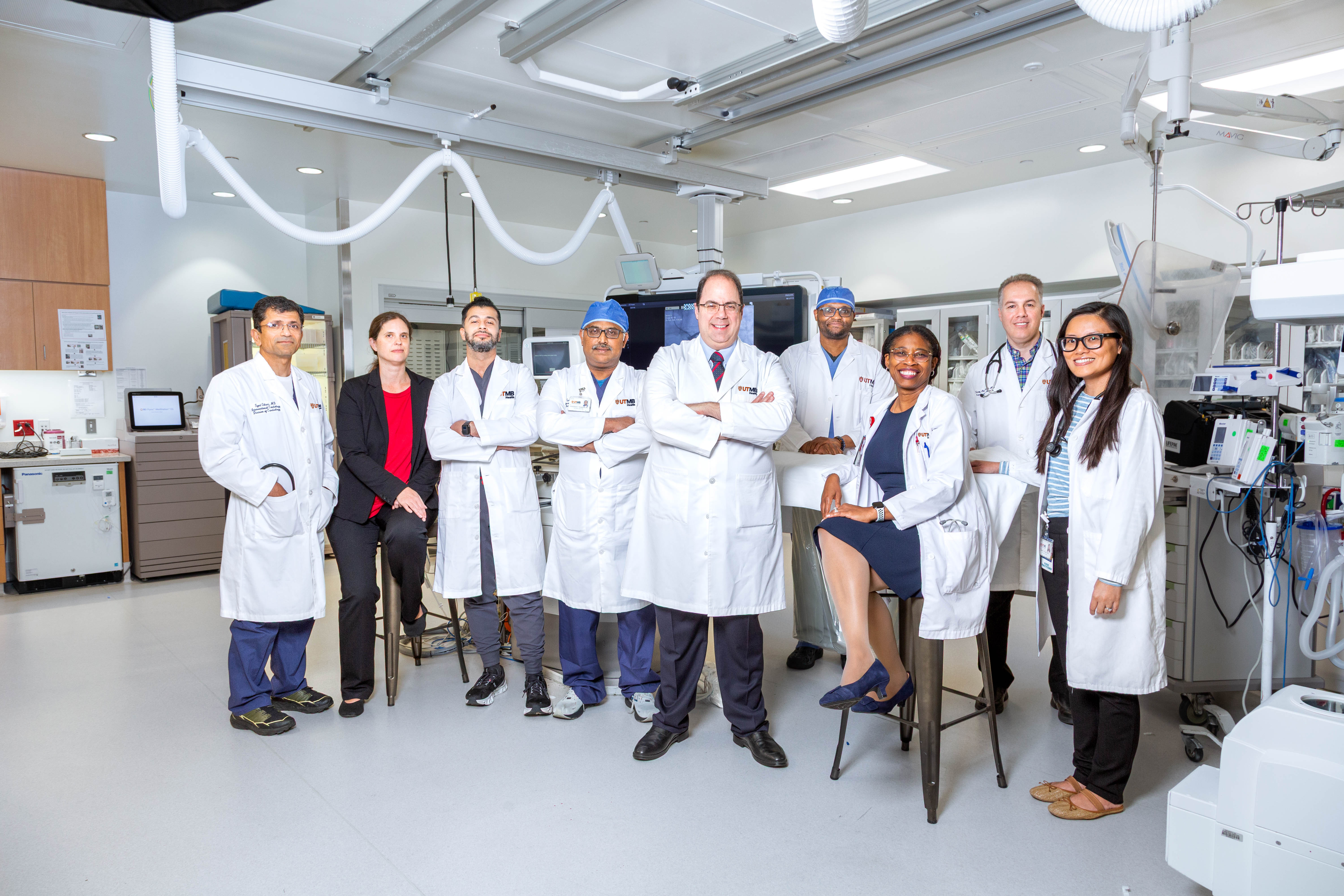
Cardiologists at UTMB have begun applying what Jneid calls “opportunistic screening”—using FDA-approved AI algorithms to analyze existing imaging for previously undetected heart disease.
“We are trying to detect subclinical disease, disease that’s not clinically evident to have early recognition of heart disease in these patients,” he explained. This early detection allows doctors to design highly specific treatments that preempt diseases from developing or getting worse.
Hirsch underwent one such screening, which revealed several warning signs for heart attack—including most critically, a blockage in the so-called “widow-maker” artery of his heart. When he got this news and learned of the role of AI, he and his wife understandably had plenty of questions.
That’s why Jneid goes to great lengths to explain the tool, and he’s both humble and confident about the role AI plays in medicine.
“This is new for us, as well,” he said. At the same time, he makes it clear to patients like Hirsch that the technology exists to “amplify” the physician’s work, not replace it.
The institute is integrating AI into cardiac imaging, electrocardiography, and electronic medical record review to identify both undiagnosed disease and patients lost to follow-up. It’s also investing in training, so that current and future cardiologists can have in-depth conversations with their patients, just like Jneid did with Hirsch.
This adoption requires compassion and thoughtfulness, which the Institute also delivers in abundance.
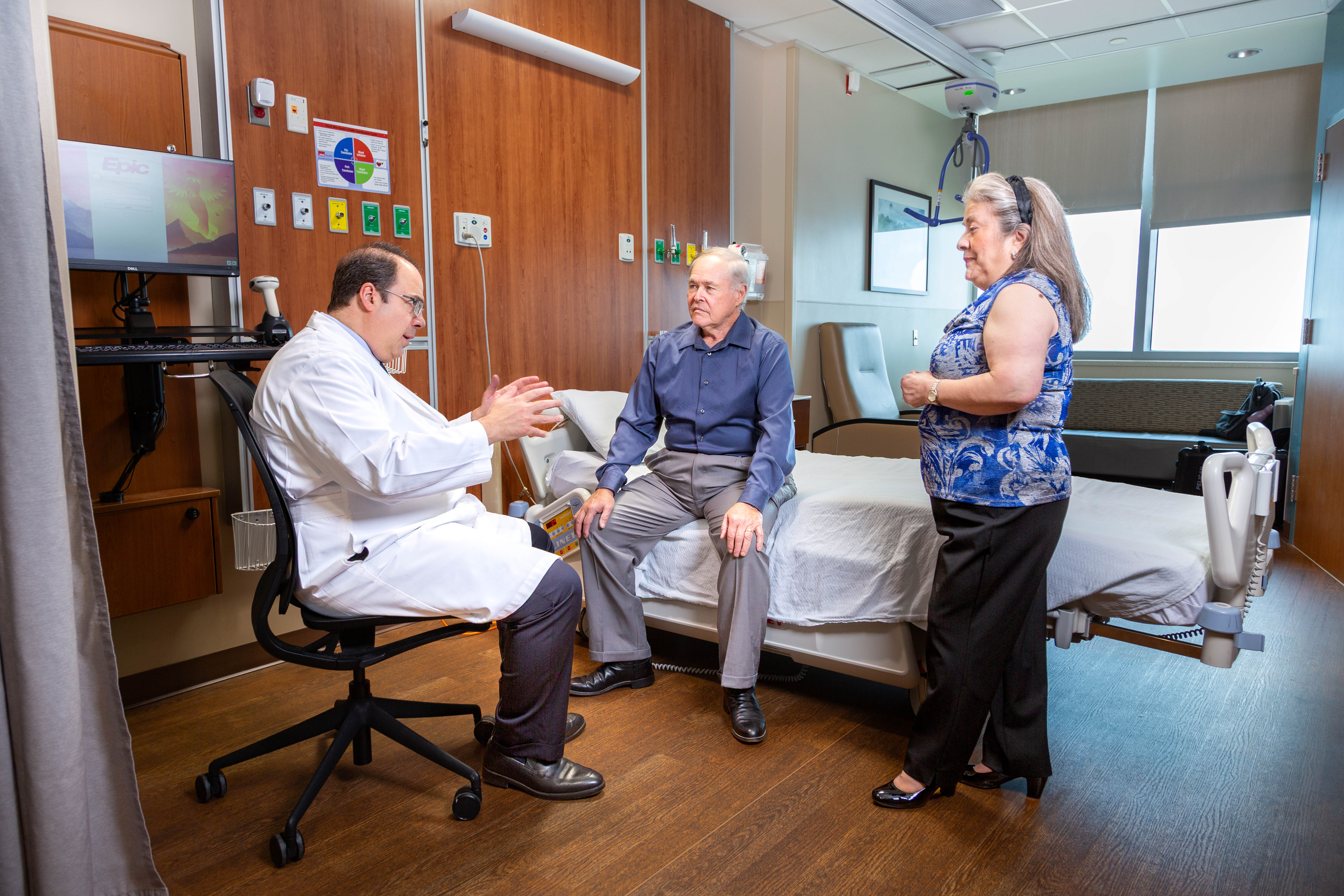
For instance, Jneid ensured Hirsch’s wife, San Juana, was a part of the conversation about treatment, and consistently approached their talks with an empathy that will only become more critical as AI becomes further embedded in healthcare.
“Although David has severe coronary heart disease, it has not yet caused damage to your heart muscle. We were able to detect it early and intervene in time,” Jneid remembered telling the Hirsches.
Hirsch subsequently underwent a successful revascularization procedure to address his blocked arteries and has since completed cardiac rehabilitation and recovered very well. Technology may have initiated the referral, but it was conversation and trust that got the Hirsches on a path toward a healthier future.
“We could not have been blessed with a better physician,” San Juana said. “I was just so grateful. I still am.”
In a state where cardiovascular disease remains rampant, this institute’s distinctive combination—early detection, clinical validation, and human connection—may define the future of heart care in Texas and beyond.
The above story was produced by Tyler Hicks with Texas Monthly as part of a sponsored content series about The University of Texas Medical Branch (UTMB).
Photography by Jenn Duncan