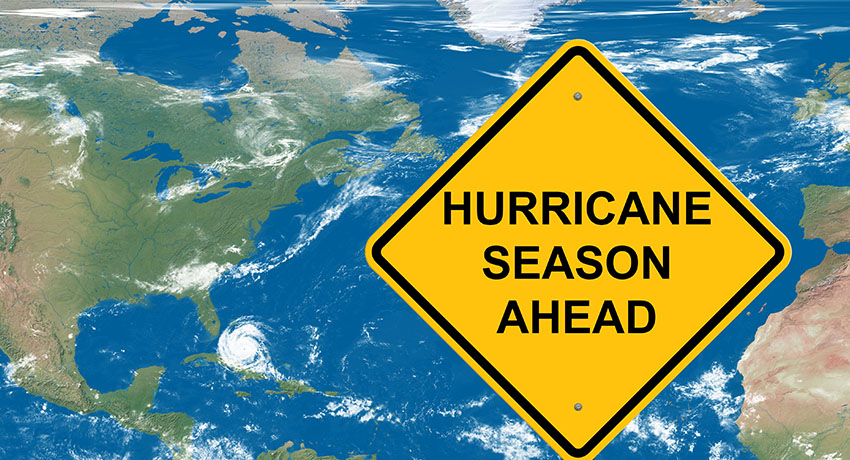
Living and working along the Texas Gulf Coast means hurricane season is a certainty, not just a possibility. For The University of Texas Medical Branch (UTMB) and surrounding coastal communities, preparation is the most effective way to reduce risk before, during, and after a storm.
“Even in quieter years, a single landfall can have major consequences,” said UTMB Associate Vice President of Institutional Preparedness Dylan Lancaster. “Preparation needs to happen every season, regardless of the forecast.”
Understanding risks
Hurricane risks along the upper Texas Coast remain consistent, even when seasonal outlooks vary.
According to Colorado State University’s 2026 projections, Galveston County has:
- A 25% chance of a named storm impact
- A 13% chance of a hurricane impact
- A 4% chance of a major hurricane impact
Nearby coastal counties show similar risk levels, including Brazoria County (22% chance of a named storm) and Harris County (21%). Across the Texas coast, the probability of at least one named storm impact rises to 48%.
While this year’s El Niño pattern may slightly reduce overall activity, experts caution against relying on averages.
“It only takes one storm to cause lasting damage in a coastal community,” Lancaster said, pointing to events ranging from the 1900 Galveston hurricane to more recent storms such as Hurricane Ike and Hurricane Beryl.
Preparing early matters
Preparation is most effective before a storm enters the Gulf.
Waiting until a storm is named or forecasted to make landfall can lead to empty store shelves, limited evacuation options, and increased stress.
“Once a storm is in the Gulf, resources become scarce and traffic increases quickly,” said Scott Tafuri, UTMB emergency management coordinator. “Early action gives people more flexibility.”
Start early by:
- Restocking emergency supplies before peak season
- Reviewing family communication and evacuation plans
- Checking insurance coverage, including flood insurance requirements
- Keeping vehicles fueled and stocked with basic emergency items
Building a hurricane kit
Every household should have a kit that supports all family members for seven days.
Include:
- Water (1 gallon per person per day)
- Nonperishable food, such as ready-to-eat canned meats, fruits, and vegetables
- Medications in original containers
- First-aid supplies
- Flashlights and extra batteries
- Portable phone chargers or power banks
- Battery-operated radio and extra batteries
- Cash in small denominations
- Important documents (insurance, ID, medical information) sealed in a waterproof container
- Pet supplies
- Baby formula or specialty dietary items
“Build your kit ahead of time and update it each season,” Tafuri said. “Waiting until the last minute puts you at a disadvantage.”
Preparing your home and property
Taking steps to secure your home can significantly reduce storm damage.
Recommended actions:
- Install shutters or board up windows
- Clear gutters and drainage areas
- Bring in outdoor furniture and loose items
- Inspect and repair roof vulnerabilities
- Review flood insurance coverage well in advance
Flood insurance is especially important for coastal residents and typically requires a 30-day waiting period before coverage begins.
Planning for evacuation
Establish evacuation plans before a storm threatens the region. Plan routes, arrange transportation if needed, and identify safe destinations inland or outside the impact zone.
“Have multiple options,” Tafuri said. “Conditions can change quickly, so flexibility is key.”
Keep printed maps and written directions in case of power outages or loss of cell service.
Staying informed during hurricane season
Access to reliable information is critical during tropical weather events.
Monitor:
- National Hurricane Center updates
- Local television and radio broadcasts
- Emergency management alerts
- Weather apps with push notifications
Officials also stress the importance of avoiding flooded roads.
“Never drive through standing water,” Lancaster said. “It’s one of the most dangerous decisions people make during storms.”
Final reminder: Preparation saves lives
Hurricane preparedness is an ongoing effort throughout the season.
“Being prepared helps reduce uncertainty and gives people more control when conditions change,” Lancaster said.
Resources
- National Hurricane Center
- National Weather Service
- Texas Division of Emergency Management
- UTMB emergency preparedness resources
- Houston-Galveston Area Council emergency planning tool