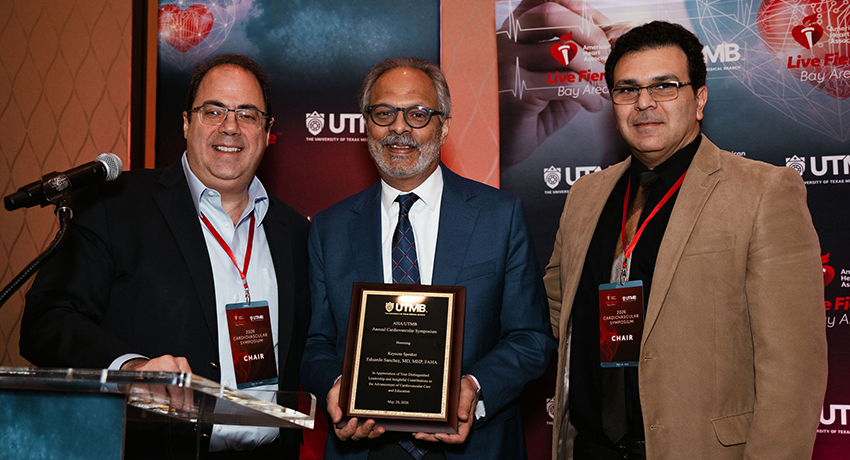
More than 280 healthcare professionals convened in Galveston for the second annual Cardiovascular Symposium — a day of education and clinical insight hosted by The University of Texas Medical Branch(UTMB) and the American Heart Association.
Designed specifically for noncardiovascular specialists, the symposium emphasized practical, evidence-based approaches to managing common and complex cardiovascular conditions. Attendees explored key topics including hypertension, hyperlipidemia, coronary artery disease, atrial fibrillation, heart failure, and valvular heart disease, equipping providers with tools to enhance patient care across diverse clinical settings.
“We are addressing a very real and growing need: ensuring that frontline clinicians have access to timely and evidence-based updates in cardiovascular care. Cardiovascular disease remains the leading cause of mortality, and many patients are first seen and managed by primary care providers and nonspecialists. The conference serves as an educational platform that translates the latest science into actionable clinical practice,” said Dr. Hani Jneid, chair of the Department of Cardiovascular Medicine and vice president of Cardiovascular Operations.
The accredited symposium, chaired by Dr. Jneid, director of the Sealy Heart and Vascular Institute, and Dr. Haider Alkhateeb, assistant professor of cardiology, offered participants the opportunity to earn up to six continuing medical and nursing education credits, reinforcing its commitment to professional development and lifelong learning. Through expert-led sessions and interactive discussions, the program encouraged collaboration and knowledge-sharing among multidisciplinary teams.
Dr. Eduardo Sanchez, chief medical officer for prevention at the American Heart Association, delivered the keynote address, highlighting national strategies for cardiovascular disease prevention and the importance of community-based interventions. His keynote underscored a critical truth: Meaningful progress in cardiovascular health requires not only advances in clinical care but also sustained investment in prevention and strong partnerships within our communities.
A highlight of the event was the presentation of the Lifetime Achievement Award to Dr. Thomas Blackwell, UTMB vice dean of Graduate Medical Education and Clinical Affairs, professor of general internal medicine, and designated institutional official, recognizing his longstanding contributions to patient care, education, and leadership in internal medicine.
“Dr. Blackwell’s career reflects an extraordinary commitment to leading with integrity and shaping the next generation of physicians. His impact on medical education and clinical excellence makes him a truly deserving recipient of this award,” Jneid said.
The symposium reflects the ongoing UTMB commitment to advancing cardiovascular education and improving health outcomes throughout the region and beyond.
“We are proud to partner with the American Heart Association and deeply appreciate the support of the Sealy and Smith Foundation, whose commitment to the Sealy Heart and Vascular Institute has been instrumental in making initiatives like this possible. Their investment enables us to extend the reach and impact of our educational efforts in meaningful ways,” Jneid said.
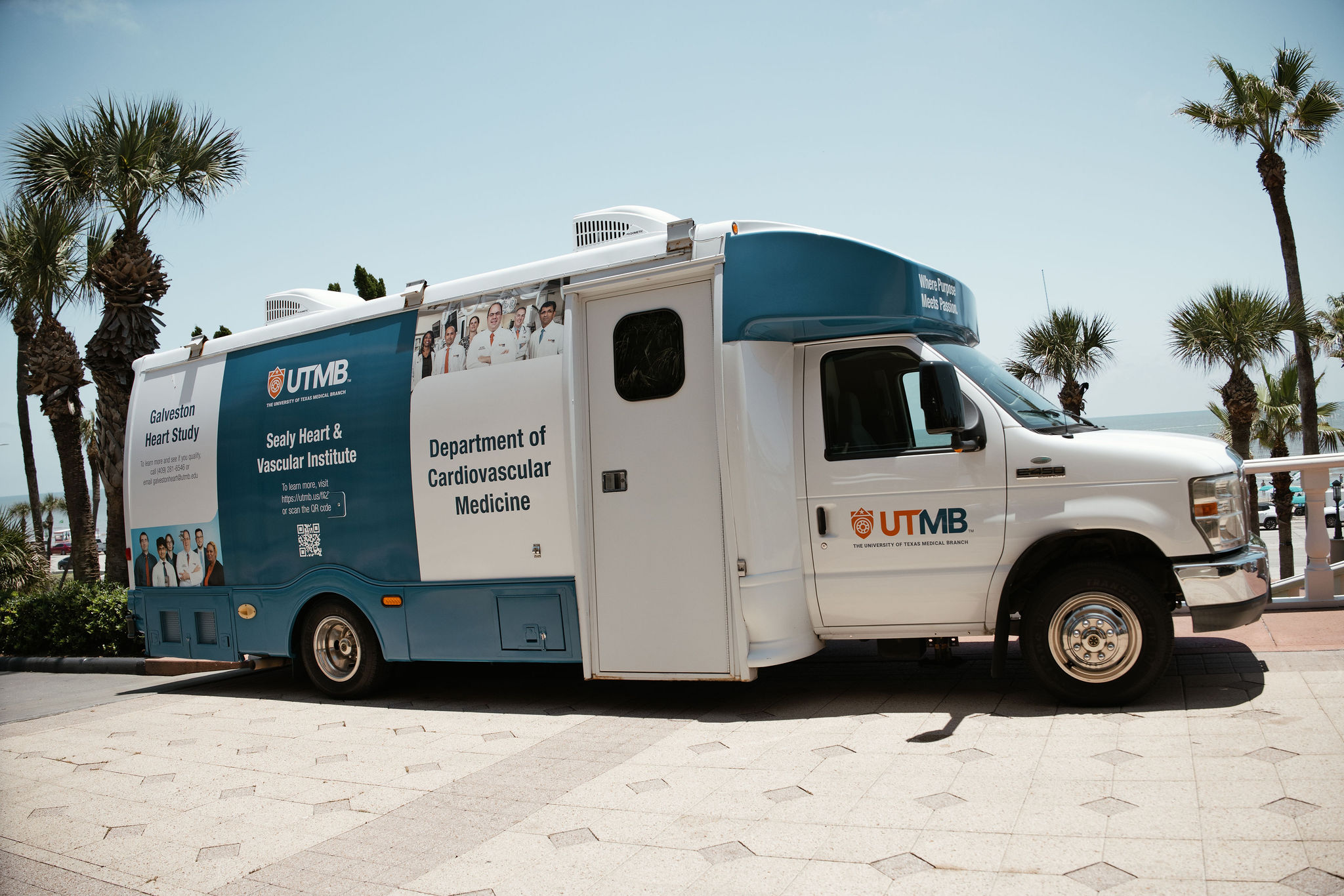
The Sealy Heart and Vascular Institute vehicle, which will be used for community and patient outreach, was on display at the conference.