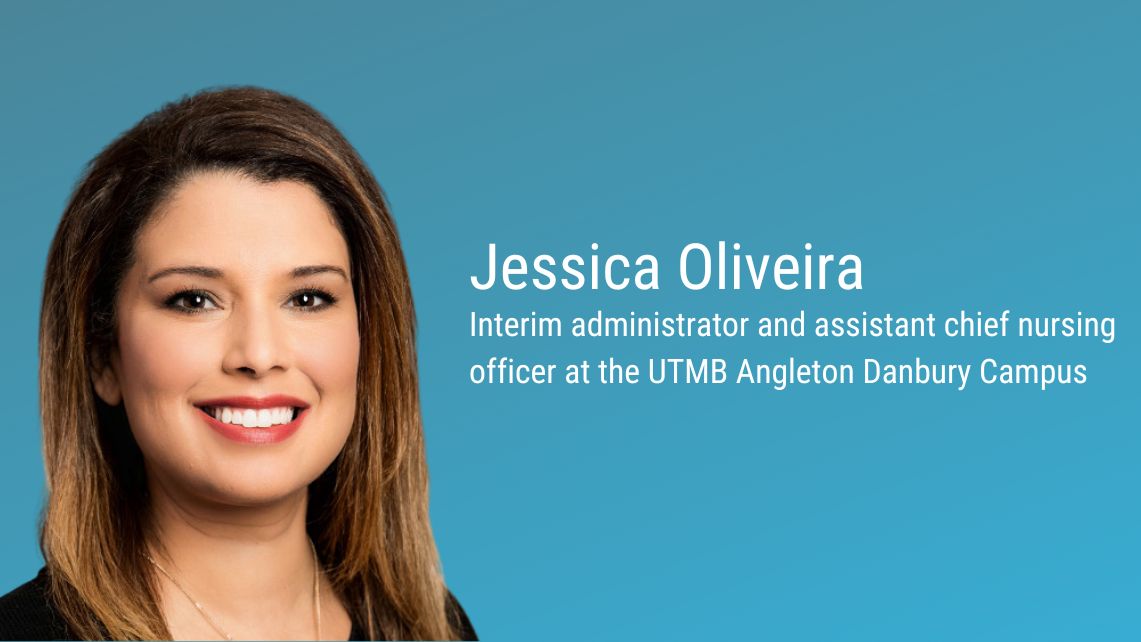
Jessica Oliveira, a University of Texas Medical Branch employee since 2020, has taken over as interim administrator and assistant chief nursing officer at UTMB’s Angleton Danbury Campus.
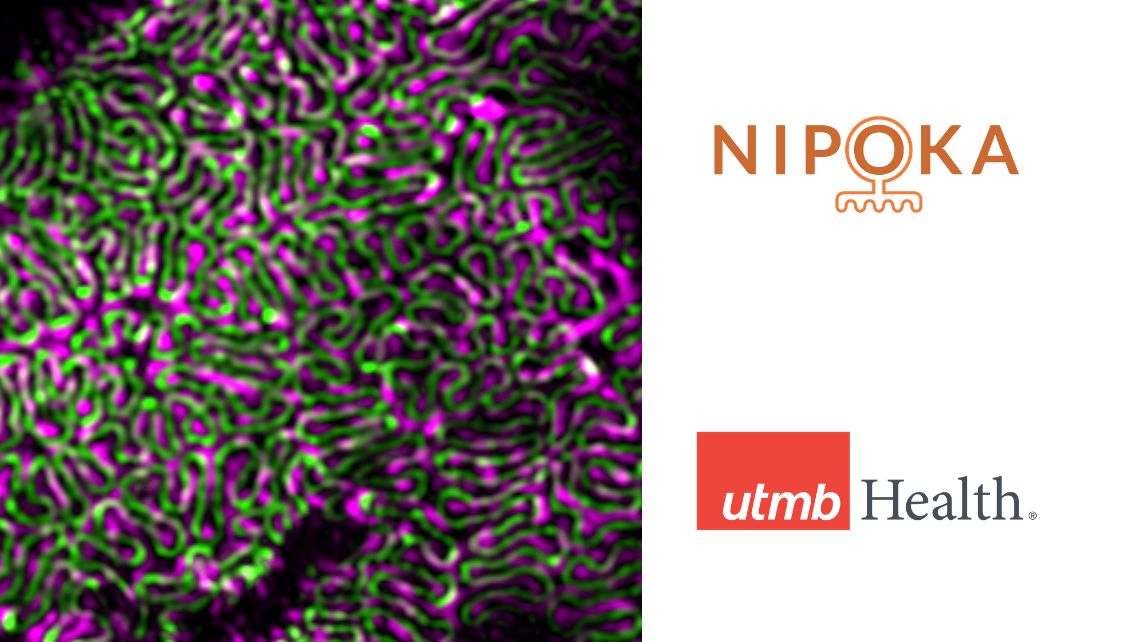
The University of Texas Medical Branch has announced a groundbreaking collaboration with NIPOKA, a leading German-based company specializing in advanced diagnostic technologies for kidney research. With over 35 million adults in the U.S. affected by chronic kidney disease, and millions more worldwide, the need for accurate diagnostics has never been more critical. This partnership aims to develop first-of-its-kind diagnostic tests that could transform the way kidney patients are diagnosed, treated, and monitored.

Exercise is important … everyone knows that. But let’s be real, everyone also knows that getting started on and sticking to a fitness plan is easier said than done. That’s where the Preventive Medicine Initiative Heart & Soul 5K, taking place March 8, comes in.
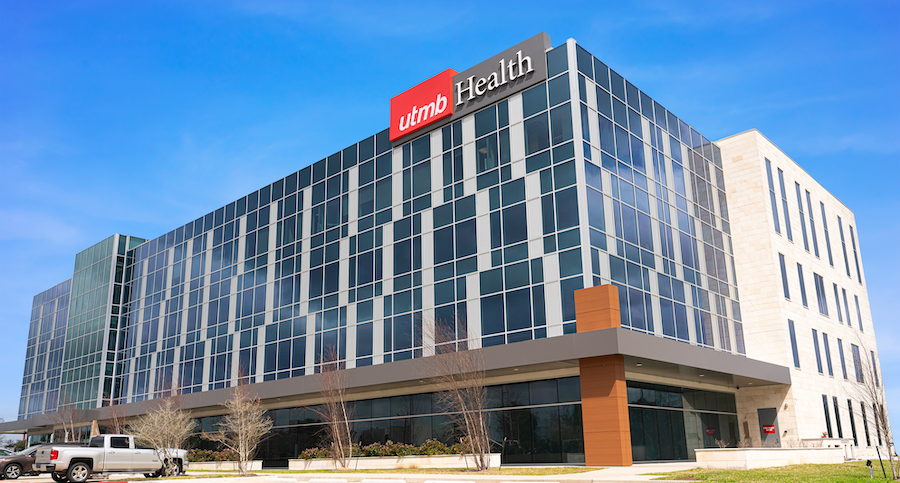
The UTMB Health Pediatric and Adult Primary Care Clinic in Friendswood will open its doors at a new location at 1715 S. Friendswood Dr., Friendswood on March 10. The new clinic will have the same hours of operation, but will offer expanded services and specialties.

The University of Texas Medical Branch and Aetna, a CVS Health business, have reached a multi-year agreement that brings UTMB facilities and providers in network for most Aetna health plan participants, effective immediately.

A new study from researchers at the University of Texas Medical Branch has found that individuals with a history of herpes simplex virus (HSV) infections face a significantly higher risk of developing dementia, including Alzheimer’s disease. The findings, published in the Journal of Alzheimer’s Disease, highlight a critical link between HSV-1, which primarily causes oral herpes, and HSV-2 infections, which cause genital herpes, and neurodegenerative disease progression.
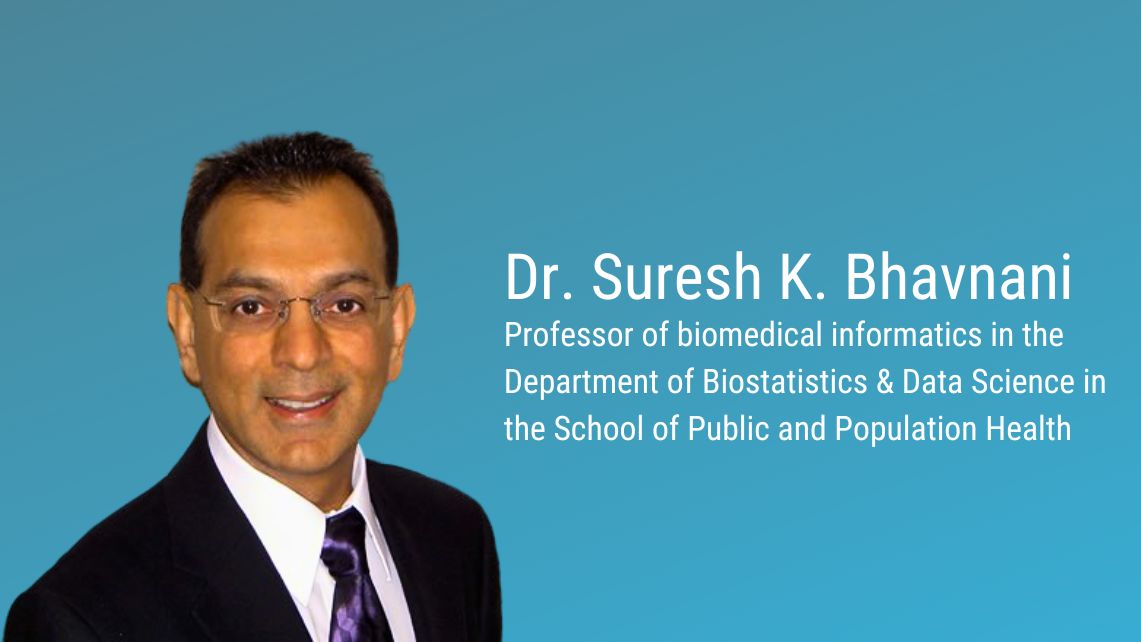
A new study led by researchers at The University of Texas Medical Branch (UTMB) and other partner institutions leverages artificial intelligence (AI) to uncover how such nonmedical factors occur together across patients and their risks for outcomes. Findings published in the Journal of Medical Internet Research, a leading medical informatics journal, offer new insights into how combinations of nonmedical factors provide a foundation for more precisely targeted health care policies.

Researchers from the University of Texas Medical Branch recently published in The Journal of the American Academy of Dermatology a study on the safety of benzoyl peroxide in acne treatment. The study reinforces the safety of benzoyl peroxide as a standard-of-care treatment for acne by investigating its potential impact on cancer risk.
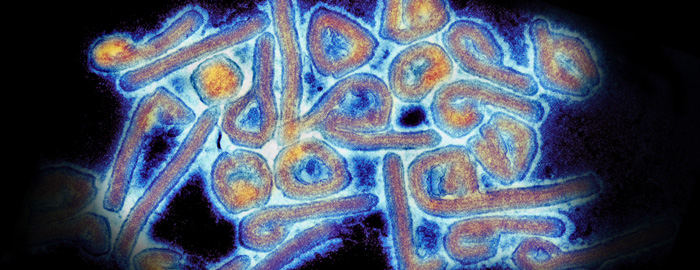
Oral obeldesivir, an anti-viral drug, prevents Marburg disease in non-human primates according to research conducted at the University of Texas Medical Branch’s Galveston National Laboratory, in collaboration with Gilead Sciences and the National Institute of Allergy and Infectious Diseases.
.png?sfvrsn=9f434255_1 "MicrosoftTeams-image (30)")
The University of Texas Medical Branch is making waves this week at the World Economic Forum's annual meeting in Davos, Switzerland, by highlighting the critical importance of brain health on a global scale.