SPECTRE Special Pathogens Excellence in Clinical Treatment Readiness & Education Program

Welcome to SPECTRE!

We are SPECTRE—the Special Pathogens Excellence in Clinical Treatment, Readiness, and Education Program—housed within the Division of Infectious Diseases at UTMB. Our mission is to strengthen local and regional readiness to respond to high-consequence infectious diseases.

SPECTRE strengthens the readiness of UTMB’s Biocontainment Care Unit (BCU) through practical training and education for healthcare professionals across Region 6. We work with regional healthcare and public health partners to support a coordinated, state-led response to special pathogen events. SPECTRE also supports clinically focused research that helps turn new knowledge into better patient care and safety practices.

Trending Topics

Who is SPECTRE

SPECTRE strengthens healthcare preparedness through training, education, research, and regional coordination. By equipping healthcare professionals with specialized skills, advancing infectious disease research, and leading regional preparedness efforts, SPECTRE enhances the ability to manage high-consequence infectious diseases. This video highlights SPECTRE’s mission and its role in providing healthcare professionals with the knowledge and resources needed to respond effectively. Through evidence-based education, research, and strategic partnerships, SPECTRE helps build stronger response capabilities at institutional, regional, and national levels.

What we do

News & Events

 Latest News

Partnering with Galveston Emergency Medical Services to Strengthen Preparedness

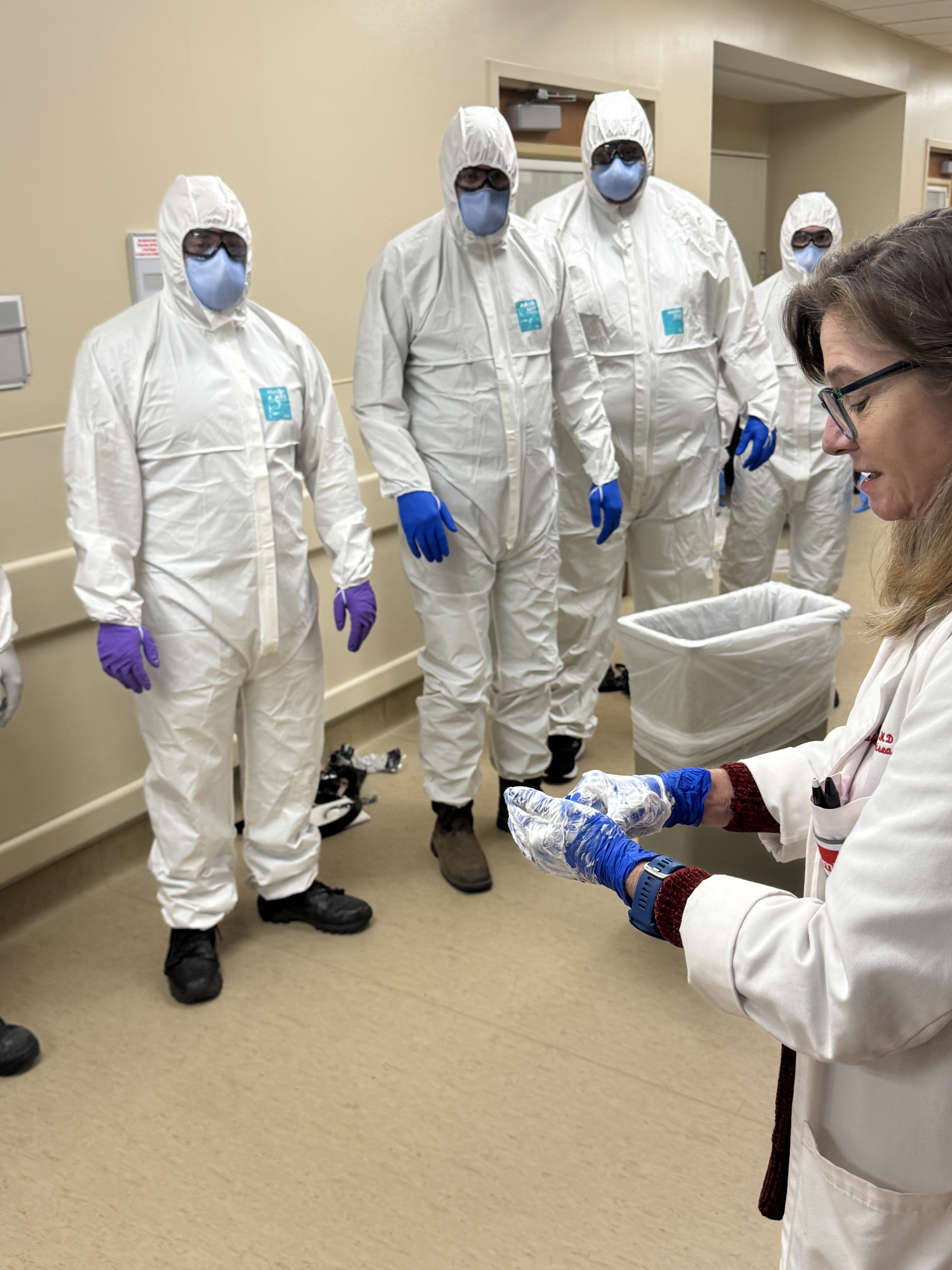
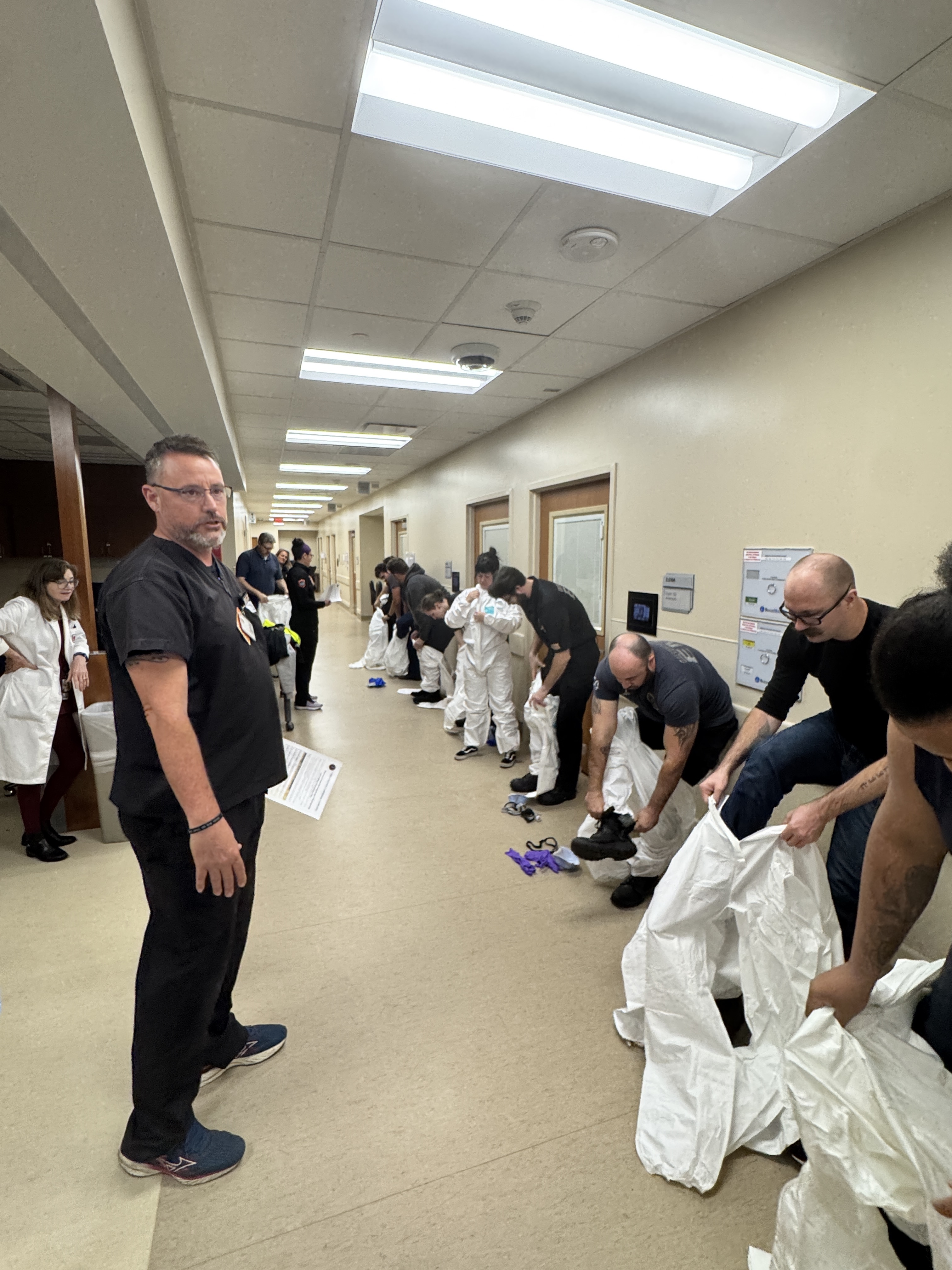
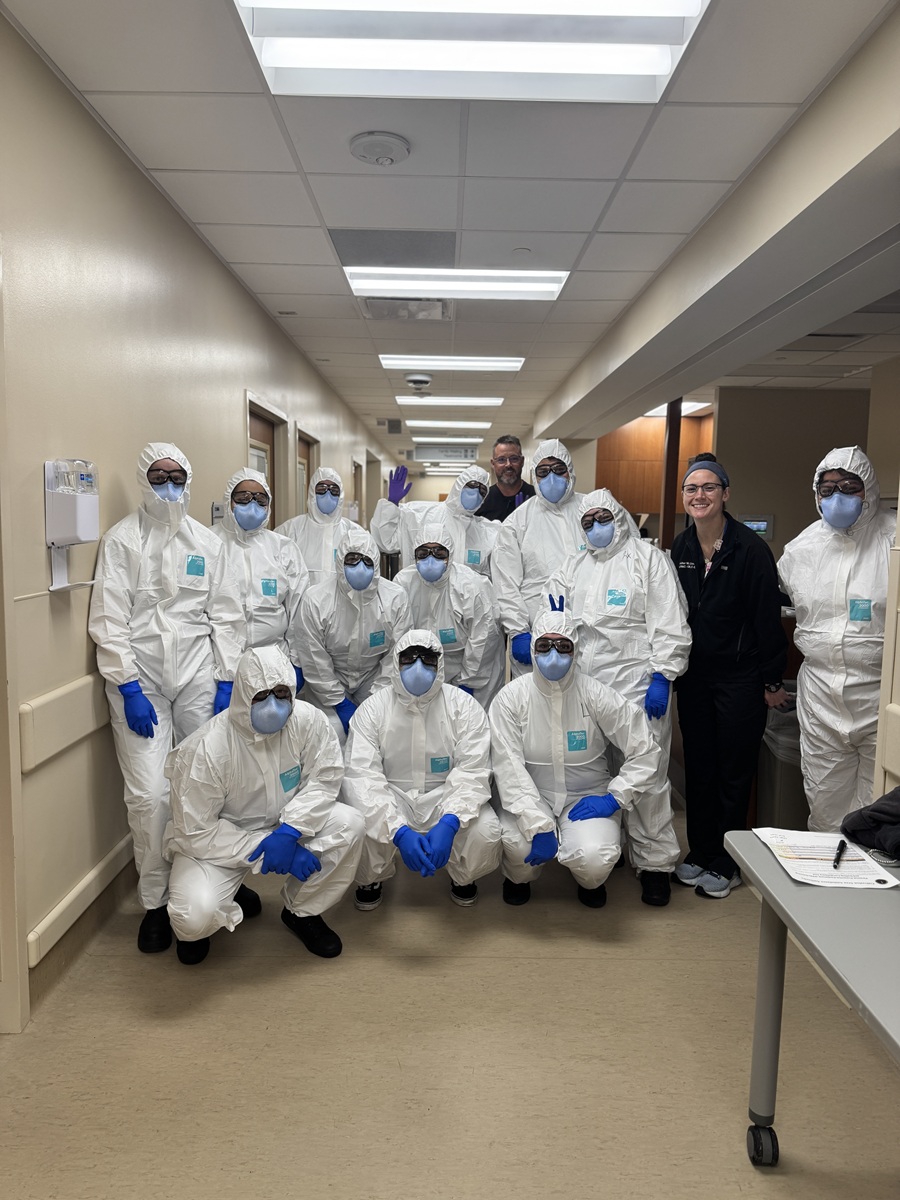
This week, the Special Pathogens Excellence in Clinical Treatment, Readiness, and Education (SPECTRE) program at The University of Texas Medical Branch partnered with Galveston Emergency Medical Services to deliver hands-on personal protective equipment (PPE) training at UTMB's Biocontainment Care Unit (BCU).

Seventy Galveston EMS responders trained using their own agency-approved personal protective equipment policies and procedures. Training with agency-specific protocols is critical to ensuring responders practice exactly how they will operate during real-world events, supporting safety, consistency, and clear communication.
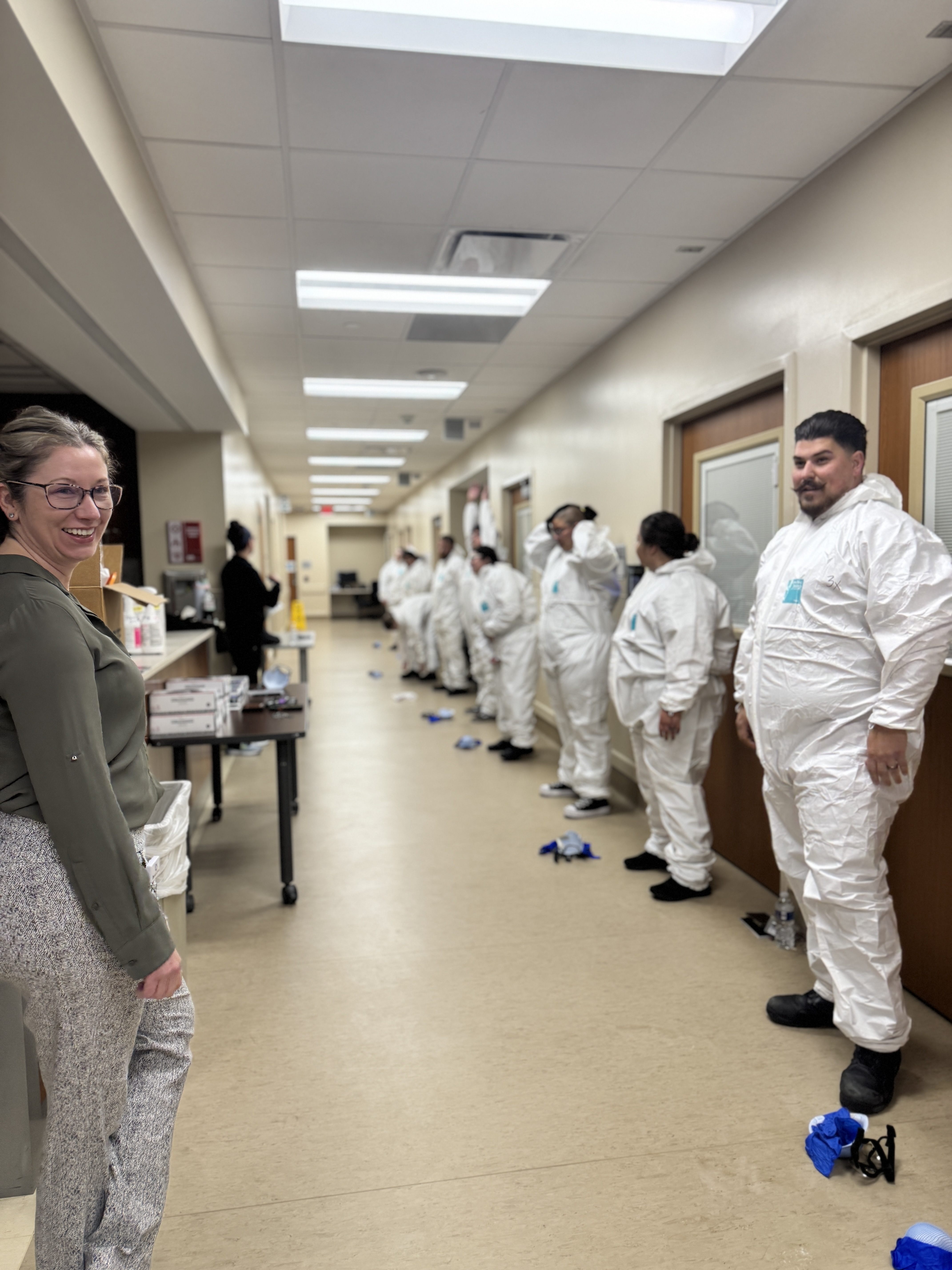
The session also reinforced the importance of close collaboration between emergency medical services and the Biocontainment Care Unit team, particularly during the transport and handoff of patients requiring specialized care.

The training was led by Edwin Smith, Nursing Program Manager, Biocontainment Care Unit, and Jennifer Lisette, Clinical Educator, Biocontainment Care Unit.



 Upcoming Events