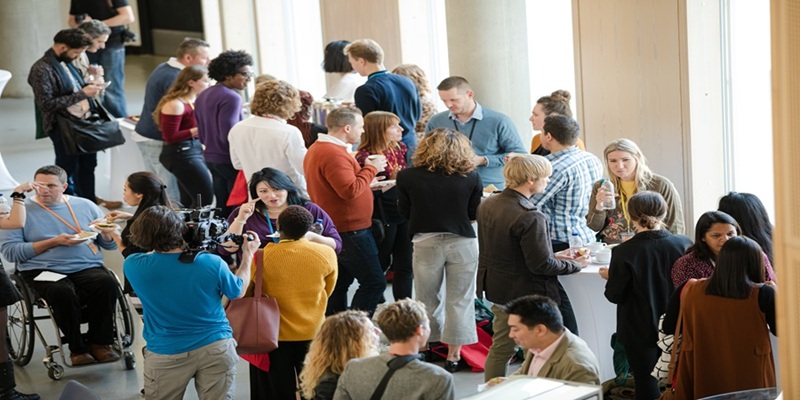
In recognition of Emergency Nurses Week, NETEC highlights the essential role emergency nurses play in special pathogen preparedness and response. Through early recognition of potential infectious disease risks, appropriate use of personal protective equipment (PPE), hands-on training, and knowing when to seek support, emergency nurses help protect patients, healthcare teams, and communities. Small actions taken in the first moments of care can have a lasting impact far beyond the emergency department.
Welcome to SPECTRE!
We are SPECTRE—the Special Pathogens Excellence in Clinical Treatment, Readiness, and Education Program—housed within the Division of Infectious Diseases at UTMB. Our mission is to strengthen local and regional readiness to respond to high-consequence infectious diseases.
SPECTRE strengthens the readiness of UTMB’s Biocontainment Care Unit (BCU) through practical training and education for healthcare professionals across Region 6. We work with regional healthcare and public health partners to support a coordinated, state-led response to special pathogen events. SPECTRE also supports clinically focused research that helps turn new knowledge into better patient care and safety practices.
Susan McLellan, MD, MPH
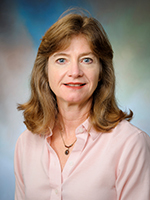
Director, SPECTRE
Medical Director, Biocontainment Care Unit
Medical Director, Biocontainment Care Unit
Email: sumclell@utmb.edu
Trending Topics
Who is SPECTRE
SPECTRE strengthens healthcare preparedness through training, education, research, and regional coordination. By equipping healthcare professionals with specialized skills, advancing infectious disease research, and leading regional preparedness efforts, SPECTRE enhances the ability to manage high-consequence infectious diseases. This video highlights SPECTRE’s mission and its role in providing healthcare professionals with the knowledge and resources needed to respond effectively. Through evidence-based education, research, and strategic partnerships, SPECTRE helps build stronger response capabilities at institutional, regional, and national levels.
What we do
News & Events
Latest News