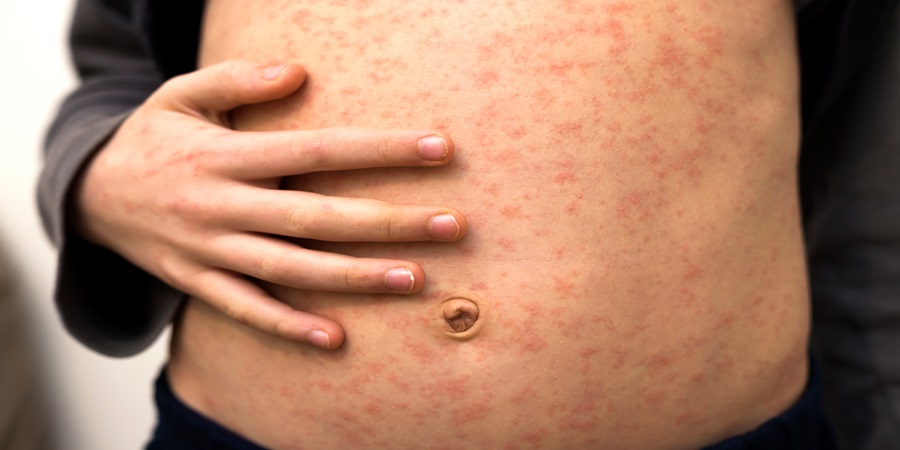
The Pan American Health Organization (PAHO) has issued an alert following a rise in measles cases in Argentina, Canada, Mexico, and the United States, with 268 cases confirmed by February 21, 2025—up from 60 during the same period in 2024. Read more about this growing concern and its impact.
-
-

Texas Announces First Death in Measles Outbreak
The Texas Department of State Health Services has confirmed the first death from measles in the ongoing outbreak in the South Plains and Panhandle areas.
-

NETEC Situation Report: Sudan Virus Disease Outbreak in Uganda
Uganda declared an outbreak of Sudan virus disease (SVD) on January 30, 2025, with nine confirmed cases, including five healthcare workers, and one death by February 10. For detailed updates on case distribution, contact tracing, and investigations, read NETEC’s situation report.
-
Measles Outbreak Spreads Across Texas and New Mexico
A rapidly spreading measles outbreak is making waves across Texas and New Mexico. The situation is evolving quickly, and it’s crucial to stay informed on how this might affect you and your community.
-
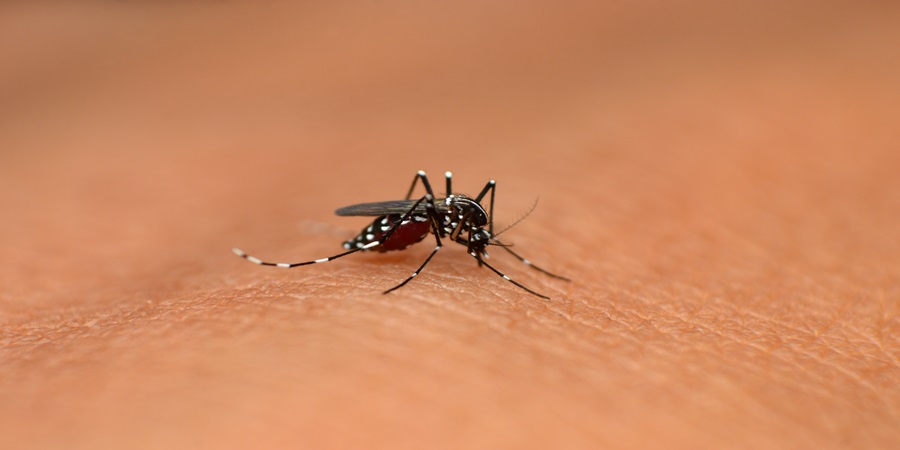
PAHO warns of increased risk of dengue outbreaks due to circulation of DENV-3 in the Americas
The Pan American Health Organization (PAHO) has raised an alert over the growing risk of dengue outbreaks in the Americas, driven by the spread of the DENV-3 serotype.
-

Oklahoma Health Alert: Avian & Seasonal Flu
The Oklahoma State Department of Health (OSDH) has issued a health advisory
-
Transmission Interrupted Podcast: Behind the Scenes Navigating the COVID-19 Pandemic in Hollywood
In this exciting episode of Transmission Interrupted, hosts Lauren Sauer and Rachel Lookadoo welcome you back to their captivating Pathogens in Pop Culture series. This time, they take a deep dive into the fascinating and often surprising intersection of infectious diseases and the world of entertainment, featuring the esteemed Dr. Saskia Popescu as their special guest. Don't miss out on this engaging conversation with a true expert in the field!
-

Emory’s Special Pathogens Team Partners with the Democratic Republic of the Congo to Combat Emerging Threats
A team from Emory’s SCDP recently visited Kinshasa, DRC, to partner with the Ministry of Health in enhancing the country’s infectious disease preparedness. During their trip, the team toured several critical healthcare and research institutions, including the Renaissance University Hospital Center, the Mpox Emergency Operations Center, Kinshasa University Hospital, the National Institute for Biomedical Research, and an Mpox clinical treatment center.
-
CDC Health Advisory: Ebola Outbreak Caused by Sudan virus in Uganda
The Centers for Disease Control and Prevention (CDC) has issued this Health Advisory through the Health Alert Network (HAN) to inform the public about a recently confirmed outbreak of Ebola virus disease in Uganda, caused by the Sudan virus (species Orthoebolavirus sudanense). This advisory also provides a comprehensive summary of the CDC’s essential recommendations for U.S. public health departments and healthcare clinicians, focusing on the identification of cases, diagnostic testing, and critical biosafety guidelines for clinical laboratories.
-
-

Regional Highlight-Texas
Texas Respiratory Illness Interactive Dashboard Updated
-
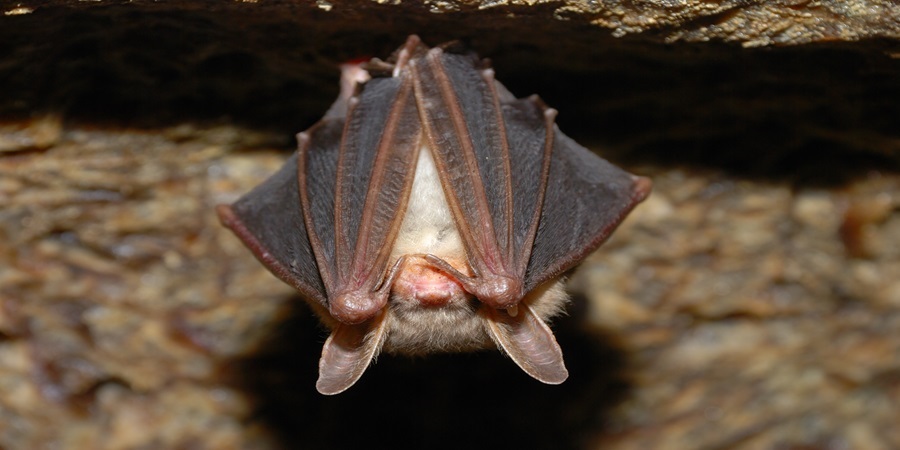
Situation Report: Marburg Virus Diseases in Tanzania
Tanzania confirmed a case of Marburg Virus in Kagera on January 20, 2025, marking its second outbreak after the 2023 incident with nine cases and six deaths. Other African countries, including Angola, the DRC, and Uganda, have also reported MVD outbreaks or cases. For more details, check out NETEC's situation report.
-
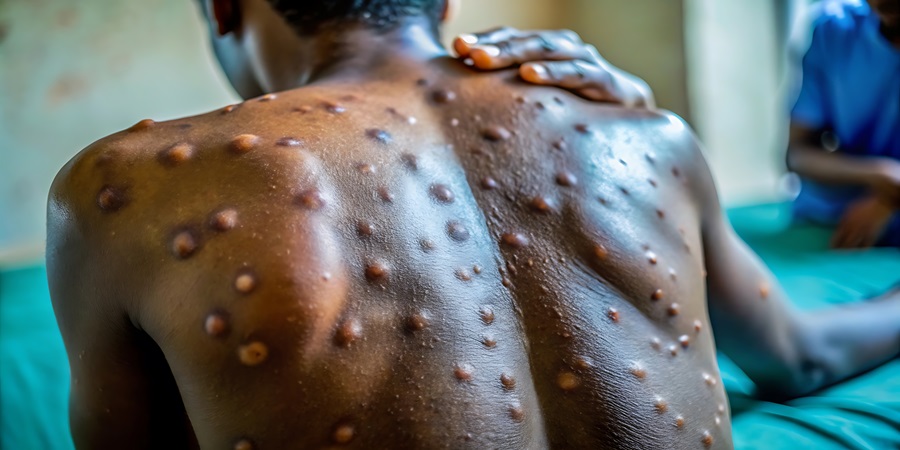
PAHO Calls for Intensified Efforts to Address Leprosy and other Neglected Tropical Diseases
The Pan American Health Organization (PAHO) has urged increased efforts to eliminate neglected tropical diseases such as dengue, scabies, leishmaniasis, and others, which affect over 50 million people in the Region of the Americas. These diseases predominantly impact vulnerable populations with limited access to clean water, basic sanitation, and healthcare services.
-
Georgia Certified Malaria-Free by WHO
After years of effort, Georgia has been certified malaria-free by the World Health Organization (WHO), joining 45 countries and 1 territory. For decades, Georgia has worked diligently to achieve this milestone."
-

The Joint Commission's 2024 Infection Control Standards: A Complete Guide for Healthcare Facilities
The Joint Commission Infection Control Standards underwent significant changes, effective July 1, 2024. This comprehensive update marked a major shift in how healthcare facilities approach infection control and preparedness for high-consequence infectious diseases. Learn more about key changes, resources, and available support.
-
-
Regional Highlight-Texas
Texas Respiratory Illness Interactive Dashboard Updated!
-

NSPS Conducts World Cup 2026 Tabletop Exercise: Preparing for Global Health Security During Major Sporting Events
Healthcare experts are strengthening readiness for potential health security threats as North America prepares to host the largest FIFA World Cup in history in June 2026. The National Special Pathogen System (NSPS) recently conducted a national tabletop exercise to address challenges posed by special pathogens during the landmark event.
-
-

Regional Highlight-Texas Enhanced Flu Surveillance, 2024-2025 Influenza Season
In response to a confirmed human case of H5N1 influenza in Texas and additional cases nationwide, the Texas Department of State Health Services (DSHS) has initiated enhanced flu surveillance to quickly detect human H5N1 cases. Healthcare providers are encouraged to subtype influenza A specimens, collect additional samples for PCR testing, and send unsupervised specimens to public health labs for further analysis. This collaboration aims to strengthen surveillance and detection efforts for H5N1 flu.