
New UTMB department builds on more than three decades of Aerospace Medicine leadership while expanding focus on human health in space and other demanding environments.

Christine Wade reflects on how the events of 9/11 shaped her approach to emergency preparedness, leadership, and crisis response. Her experience continues to inform the university's commitment to training, planning, and readiness.

From his adopted home in Galveston, world-renowned professor and researcher Dr. Giulio Taglialatela is helping redefine brain health as the foundation for healthier lives and stronger communities.

Reading with children for just 20 minutes a day can strengthen family bonds, support healthy brain development, and build skills that last a lifetime. Pediatricians at UTMB Health share why reading early and often matters.
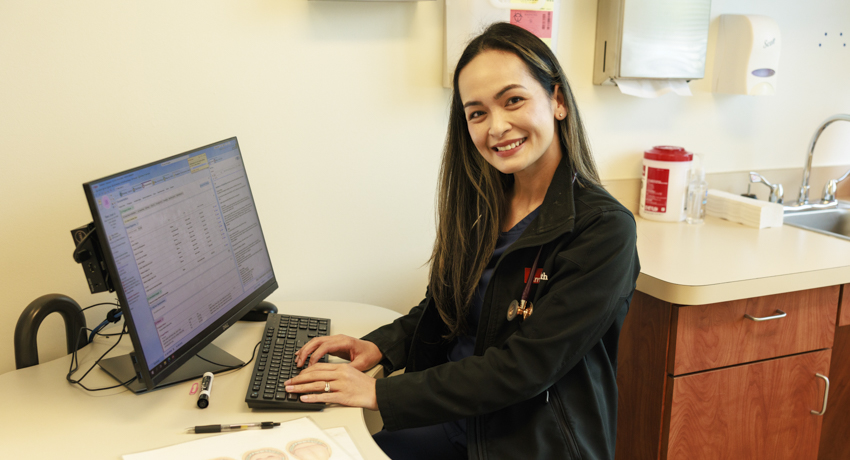
Many women accept poor sleep as a normal part of midlife, but chronic sleep deprivation can affect weight, memory, mood, and overall health. UTMB Health nurse practitioner Ruth Jetty says prioritizing sleep is essential to improving physical and emotional well-being.
Any fruit or vegetable could pose a risk if it comes into contact with stool, soil, or water contaminated with cyclospora, Miguel Cabada, MD, associate professor in the Division of Infectious Diseases at The University of Texas Medical Branch (UTMB), told TODAY.com.
Palliative care is not end-of-life care. It can begin at any stage of a serious illness, alongside curative treatment, to help manage symptoms and improve quality of life. UTMB palliative care specialist Dr. Moustafa El Sayed explains how the specialty supports the whole person and helps patients and families navigate serious illness, treatment decisions, and difficult conversations.
The University of Texas Medical Branch (UTMB) in Galveston received more than $180 million to advance cardiovascular care, research, and education. This is the largest gift in the institution’s history and one of the largest philanthropic gifts to a cardiovascular institute at an academic medical center in the nation.
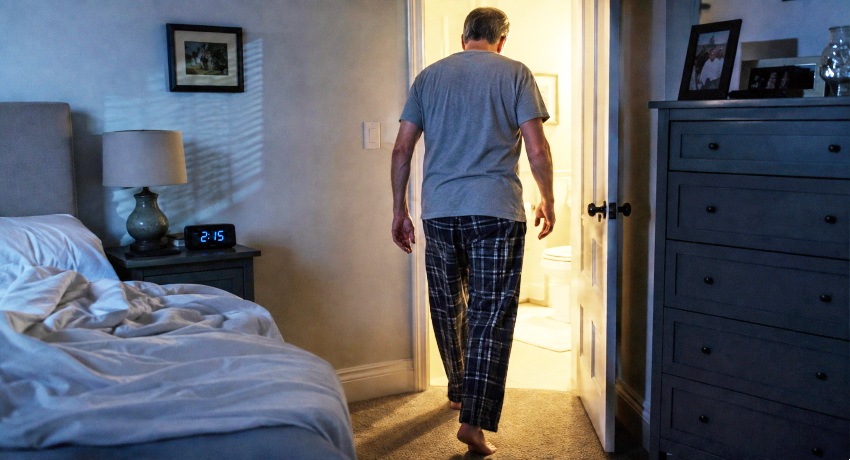
BPH is a common, treatable condition in men that can cause frequent urination, interrupted sleep, and other symptoms that interfere with daily life. Medications and minimally invasive procedures offer effective treatment options, and men do not have to accept bladder symptoms as a normal part of aging.
“Frail patients with significant comorbidities may succumb to dehydration and weight loss associated with cyclosporiasis, which may lead to different metabolic derangements and organ failures,” said Miguel Cabada, MD, associate professor in the Division of Infectious Diseases at The University of Texas Medical Branch (UTMB).
About The University of Texas Medical Branch
The first academic health center in Texas opened its doors in 1891 and today has four campuses, five health sciences schools, seven institutes for advanced study, a research enterprise that includes one of only two national laboratories dedicated to the safe study of infectious threats to human health, a Level 1 Trauma Center and a health system offering a full range of primary and specialized medical services throughout the Texas Gulf Coast region. UTMB is an institution in The University of Texas System and a member of the Texas Medical Center.