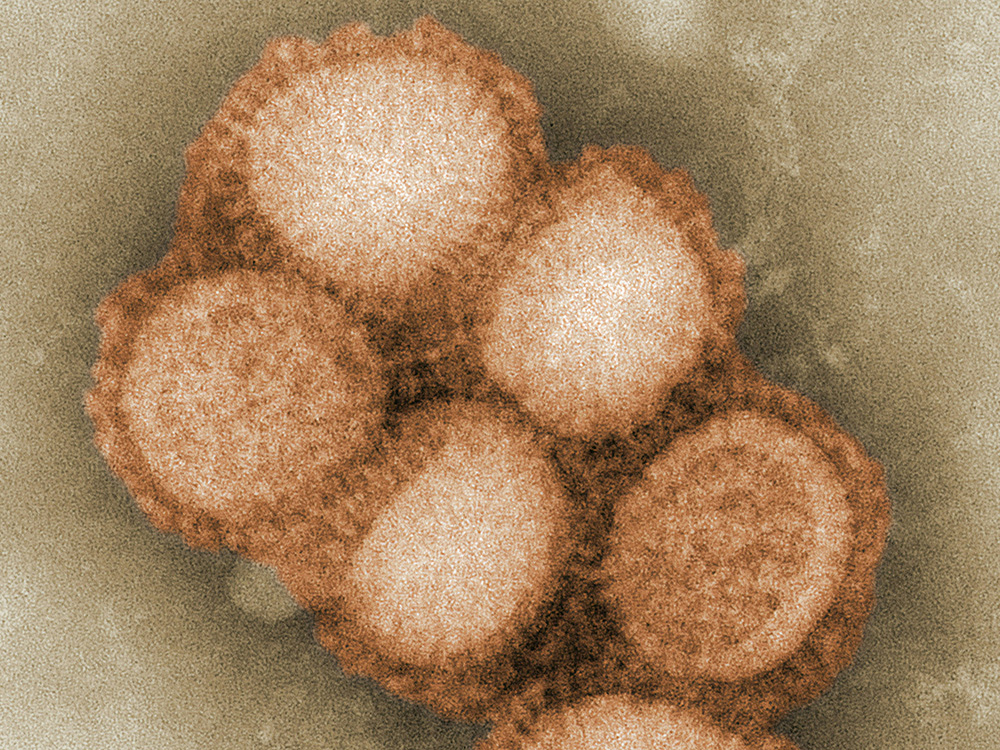
Dr. Caitlin Cotter, Assistant Professor in the Department of Epidemiology at the University of Texas Medical Branch (UTMB) School of Public and Population Health, has been awarded a seed grant from the Global Virus Network (GVN) to develop and evaluate environmental aerosol sampling methods for Lassa virus surveillance in Nigeria.
Breaking New Ground in Environmental Surveillance
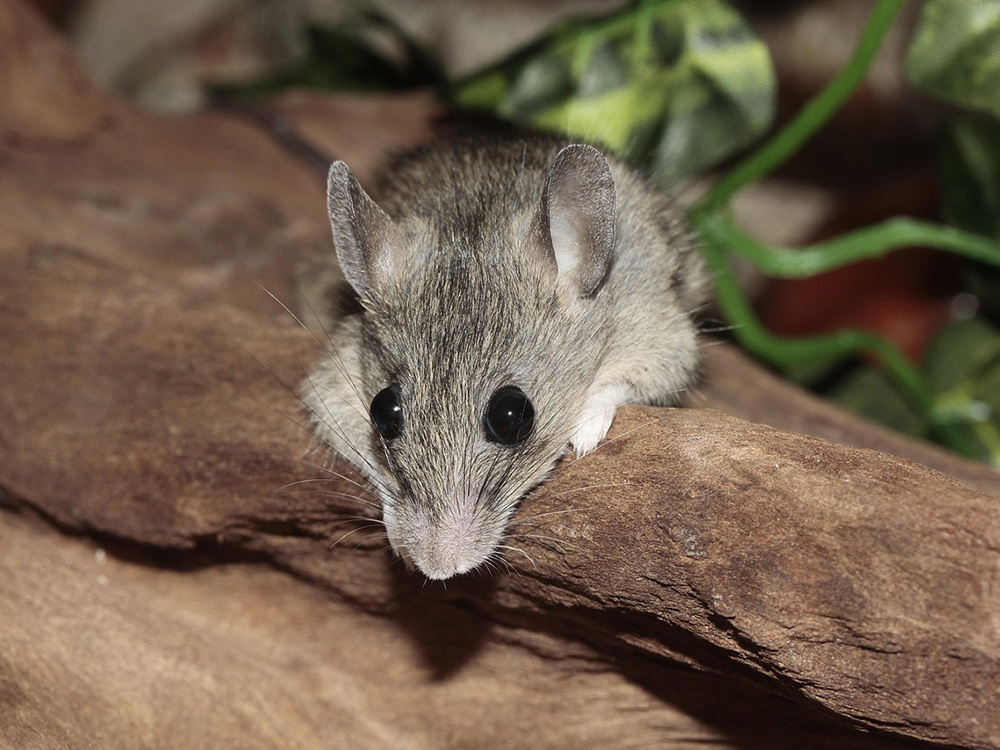
The project will be the first to pilot aerosol sampling for Lassa virus in the natural environment where the rodent reservoir exists. Lassa virus, transmitted primarily through rodent excreta, causes hemorrhagic fever and affects 100,000 to 300,000 people annually across West Africa, with hospital case-fatality rates exceeding 69%.
"This seed grant focuses on expanding the research infrastructure developed through the West African Centers for Research in Emerging Infectious Diseases program to include One Health surveillance and environmental monitoring for Lassa virus in hospitals and at-risk communities in Nigeria," said Dr. Cotter. "Aerosol monitoring is a novel methodology in this setting that will shed light on inhalational risks of Lassa fever in gardens, grain storage buildings, homes, community centers, and hospitals."
The inspiration for this research came from Dr. Cotter's field experience in Nigeria. "I was walking through a village one day with a Nigerian collaborator, and he pointed out a small path just next to a garden fence line," Dr. Cotter recalled. "He said, 'You see that path? That's where the rats run back and forth. The Mastomys rats that spread Lassa fever run along that line there.' I became interested in sampling the environmental air from those areas."
Building on One Health Principles
The project utilizes the One Health concept of human, animal, and environmental interactions in disease transmission. Dr. Cotter explained that One Health surveillance for Lassa virus involves "the systematic process of collecting, analyzing, and interpreting data from humans, animals, and the environment to detect cases, carriers, and locations of viable disease transmission."
Dr. Cotter will collaborate with Dr. Pam Luka, a veterinary research officer with the Nigerian National Veterinary Research Institute, whom she met through the West African CREID research network. She has also consulted with Dr. Greg Gray from UTMB's internal medicine department about bioaerosols and recently connected with Dr. Mark Hernandez, an engineering professor and bioaerosols specialist from the University of Colorado Boulder.
The Nigerian component will include partnerships with Jos University Teaching Hospital in Plateau state and Irrua Specialist Teaching Hospital in Edo state, both tertiary hospitals with active clinical and microbiology programs.
Testing Novel Approaches
The pilot will deploy different types of bioaerosol samplers at high-risk village sites and in hospitals. A large sampler that pulls in substantial air volumes will be tested alongside a smaller, quieter device. Filters and swabs will be screened using RT-PCR and next-generation sequencing, with positive samples sent to UTMB's BSL-4 facility for genomic sequencing and virus isolation.
"At this stage, my question is whether we can detect Lassa virus at all through these sampling strategies—a presence or absence study," Dr. Cotter explained. "After that, my questions will start to build in human interactions with the habitat, such as gardening, digging, sweeping, and other potential disturbances of rodent excreta."
Understanding transmission risk has critical implications for prevention. "Understanding risk of disease transmission is important for us to understand the likelihood of being exposed given a variety of settings and situations, and to respond accordingly to prevent that exposure," Dr. Cotter noted. "An understanding of risk also helps us to develop clinical intuition for early disease detection and effective treatment."
The research leverages UTMB's Galveston National Laboratory, one of only two university-based BSL-4 facilities in the United States, where high-containment work with Lassa virus can be safely conducted.
About the Global Virus Network Grant Program
The GVN seed grant program aims to strengthen global health security and advance research on viral threats and pandemic preparedness. The competitive grants support innovative approaches to pandemic preparedness surveillance, viral pathogen predictive bioanalytics, and wastewater viral pathogen surveillance. Dr. Cotter's project addresses pandemic preparedness through development of integrated surveillance systems for real-time monitoring of viral outbreaks across human, animal, and environmental sectors.