When Emily Edgar joined Dr. Gregory Gray's One Health laboratory at UTMB, she brought enthusiasm but lacked bench science experience. Nine months later, she emerged as second author on a paper documenting rare influenza C virus in cattle, findings that could shape future disease surveillance efforts.
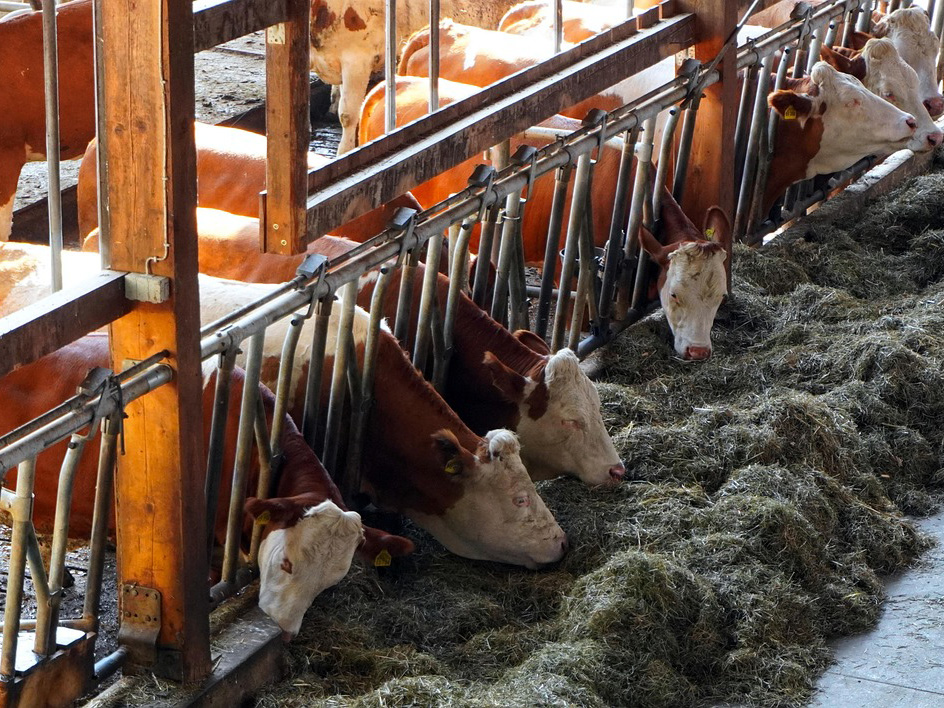
The research, published in Influenza and Other Respiratory Viruses, revealed one positive case among 433 cattle samples collected across Indiana, Kentucky, Texas, and Mexico. That single positive represented a dramatic decline in prevalence. Previous studies found rates near 8% a decade ago; this study documented just 0.2%. The genetic analysis revealed something unexpected. The virus contained segments originating in both bovine and human influenza C variants, suggesting cross-species genetic exchange.
Childhood Curiosity Shapes Career
Emily's scientific interests began early. As a child, she collected backyard insects, examined them under a microscope, and documented findings in detailed journals. This fascination with the microscopic world initially pointed her toward veterinary medicine. Then she learned about Dr. Gladys Kalema-Zikusoka, a veterinarian addressing mite infestations affecting both gorilla and human populations in Uganda. That work demonstrated how public health approaches could solve problems at their roots. Emily shifted her focus accordingly.

Now pursuing her MPH with a concentration in epidemiology and a Global Health certificate, Emily balances multiple responsibilities. She works as a Young Garden Leader with Groundswell (formerly Galveston's Own Farmers Market), serves as SPPH Student Association President, serves as an SGA Senator, and maintains a position as a barista while completing her studies.
Building Skills Through Mentorship
Entering Dr. Gray's lab meant stepping into unfamiliar territory. The lab focuses on respiratory infectious diseases with pandemic potential, conducting surveillance on farms where disease spillover between animals and humans poses real risks. Despite lacking coursework in microbiology, immunology, or virology, Emily approached Dr. Francisco Guerra about joining his influenza C project.
“Stepping out of your comfort zone creates discomfort,” Emily said. “However, that discomfort means you’re doing something right. I encourage all MPH students to take a step and start something new. The worst that can happen is a maybe no.”
Dr. Guerra provided YouTube videos, textbook chapters, and hands-on training in pipetting, PCR techniques, and result analysis. Emily learned to perfect assays, determine primer sensitivity, and distinguish true positives. These skills proved essential for detecting a virus that often goes unnoticed. She contributed to method development, wrote manuscript sections, and helped analyze the extensive literature surrounding influenza viruses.
“I am incredibly thankful to Dr. Gray, Dr. Guerra, Dr. Marushchak, Dr. Oguzie, Dr. Shittu, and Jessica Rodriguez for making me feel welcome in the One Health Lab,” Emily said. “When I entered, I knew I wanted to participate in research.”
The mentors created room for meaningful contributions and helped her build momentum throughout her training. Dr. Guerra's investment proved particularly transformative, spending hours ensuring she mastered techniques she could carry forward into future work.
Research Points Toward Surveillance
The experience crystallized Emily's career aspirations. She now focuses on disease surveillance, particularly infectious disease monitoring for global health agencies. She recognizes surveillance as the foundation for understanding disease patterns and preventing outbreaks before they escalate.
The sparse evidence of influenza C raises questions about changing viral dynamics in agricultural settings. The genetic mixing observed highlights ongoing risks at the human-animal interface, exactly the type of complex challenges Emily plans to address throughout her public health career.
Her BSL-2 certification and first publication mark significant professional milestones. The work demonstrates how dedication and quality mentorship can transform scientific curiosity into meaningful contribution.