A new study from the University of Texas Medical Branch (UTMB) reveals how basic social needs profoundly shape diabetes care for vulnerable populations. Published in the International Journal of Environmental Research and Public Health, the research examines results from a social needs assessment conducted as part of a randomized clinical trial at St. Vincent's House Clinic in Galveston—a safety-net primary care facility that combines medical services with essential support like food pantry, transportation, homelessness prevention, and emergency assistance.
The trial compares standard care with a comprehensive model that adds intensive Diabetes Self-Management Education and Support (iDSMES) alongside social and health services.
Between January 2022 and March 2023, 59 participants completed the assessment. The group averaged 53 years of age with nearly equal gender representation (31 women, 28 men). Most participants (63%) identified as Hispanic/Latino, half served as caregivers for family members, and their mean monthly income was just $1,449—with 29% reporting no income at all. Critically, 71% lacked health insurance.
The findings reveal a stark reality: More than 93% of participants reported at least one social or healthcare-related need, averaging 4.3 needs per person. Nearly half struggled with five or more unmet needs. Even among the 17 participants who had health insurance, 88% still faced significant barriers to care.
Three Essential Support Areas
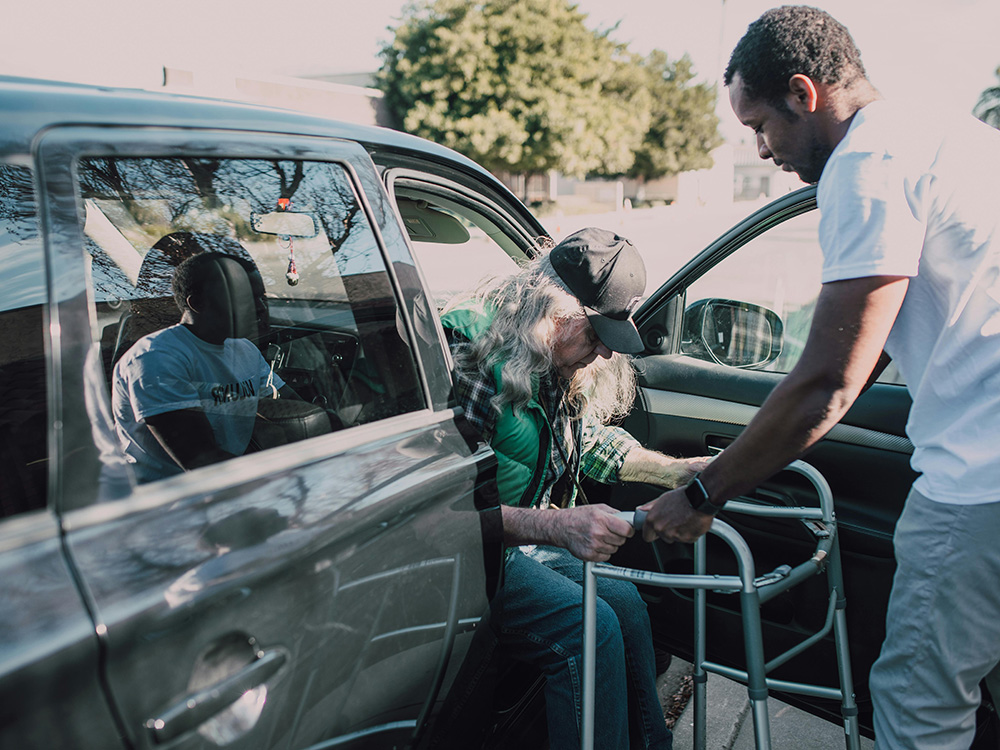
Occupational therapy needs topped the list at 78%. Daily challenges like difficulty using hands, recent falls, inability to reach feet, and frequent fatigue directly interfere with essential diabetes self-care tasks such as glucose monitoring and medication management. Researchers referred 46 participants to occupational therapy, with all intervention participants receiving baseline assessments of daily living activities.
Utility assistance ranked second at 73%. While nearly half needed rent assistance, the overwhelming demand for utility support highlights economic pressures that force patients to choose between basic services and diabetes management essentials like healthy food and medications.
Food insecurity affected 71% of participants. Most needed food pantry services and help navigating SNAP applications. This barrier particularly undermines diabetes management since food insecurity often forces reliance on high-carbohydrate, processed foods that can destabilize blood glucose control.
Younger Patients Face More
The research also uncovered age-related differences in social needs. Participants under 65 averaged 4.51 needs compared to just 2.75 needs for those 65 and older. This gap suggests working-age adults with diabetes face unique pressures, balancing employment, caregiving responsibilities, and disease management without Medicare's safety net.
Addressing Real-Life Barriers
The social needs assessment functioned as an intervention itself. Licensed social workers spent approximately two hours with each participant in detailed interviews, identifying specific obstacles and connecting people with appropriate resources. Trained student volunteers provided translation services for Spanish-speaking participants, ensuring language barriers didn't block access to support.
With most participants uninsured and managing multiple unmet needs, traditional diabetes education alone misses the root causes of poor disease control. The study demonstrates how integrating social needs screening and on-site referral pathways into routine diabetes care, especially in safety-net settings, creates a practical pathway to more equitable health outcomes.
Building Comprehensive Care Models
As the clinical trial continues, researchers will measure whether addressing these social determinants actually improves diabetes outcomes. The comprehensive data provides a foundation for developing targeted interventions that recognize the complex relationship between social circumstances and health management.
The research team emphasizes that social needs assessments can serve as powerful prevention tools, potentially reducing diabetes-related complications and health disparities. By understanding and addressing the full spectrum of challenges patients face, healthcare systems can move toward more equitable and effective care delivery.
About the Research
The study, "Leveraging Social Needs Assessments to Eliminate Barriers to Diabetes Self-Management in a Vulnerable Population," was published in the International Journal of Environmental Research and Public Health in August 2025.
The research was supported by the Dr. Leon Bromberg Charitable Trust Fund, the Sealy & Smith Foundation, and general revenue funding through a partnership between the Texas Department of State Health Services and UTMB.