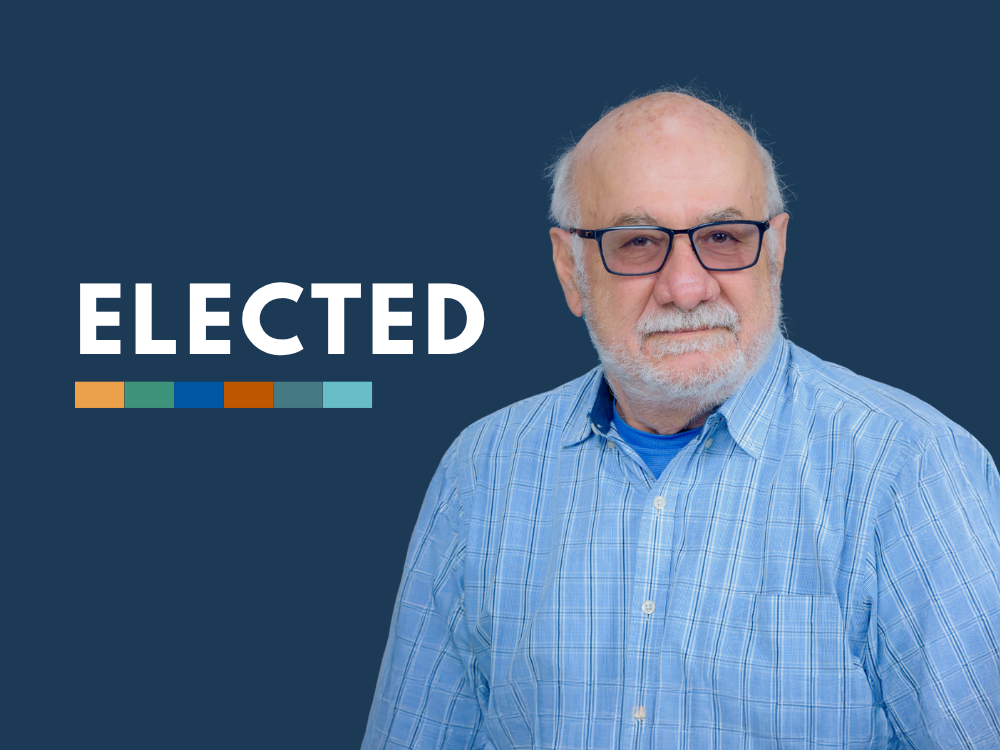
The Cyprus Academy of Sciences, Letters, and Arts has elected Dr. Kyriakos Markides as an External Member in the field of Sociology. The recognition lands close to home for Dr. Markides, who grew up in Cyprus and built a long career at UTMB shaping how public health understands aging in immigrant and minority communities. The Academy, founded in 2017, promotes excellence across science, letters, humanities, and the arts. External Members are selected for international standing and for the expertise they can share with the Republic of Cyprus.
A Life’s Work that Changed the Conversation on Aging and Immigration
Dr. Markides is a professor in the Department of Population Health and Health Disparities and holds the Annie and John Gnitzinger Distinguished Professorship of Aging. His work helped frame what many call the “healthy immigrant effect,” documenting how migrants often arrive with health advantages that narrow as years pass in the host country. He also advanced scholarship on the “Hispanic epidemiologic paradox,” which describes favorable health and mortality profiles in Hispanic populations despite socioeconomic disadvantage. Across decades, his writing connected those patterns to shifts in work demands, neighborhood context, discrimination, and changes in diet and activity, and shows that patterns vary across countries and policy settings.
Building Cohorts and Community that Endure
Beyond ideas, Dr. Markides built infrastructure that powered careers and evidence. He has led the Hispanic Established Population for the Epidemiologic Study of the Elderly (H-EPESE), a multi-wave study that has followed older Mexican Americans across the Southwestern states for many years. The cohort has supported extensive publication, training, and collaboration, and it continues to generate insights on disability, cognition, caregiving, health care use, and survival in later life. He also serves as the principal investigator of the Texas Resource Center for Minority Aging Research (RCMAR), helping early-stage investigators find mentors, data, and methods that fit questions on aging and disparities. Alongside these efforts, he founded the Journal of Aging and Health in 1989 and guided it for decades, creating a dedicated home where this line of inquiry could mature and reach policy and practice audiences.
Connecting Cyprus and UTMB
The Academy consists of three sections that reflect its mission across disciplines: Natural Sciences; Letters and Arts (Humanities); and Ethical, Economic, and Political Sciences. Its small membership and connection to Europe’s network of academies signal selectivity and public purpose. For UTMB, the election affirms a body of work that began with community surveys in Texas, grew through long-running longitudinal cohorts, and now informs how researchers across continents approach healthy aging. For Cyprus, it brings into the Academy a scholar whose career bridges sociology, epidemiology, and public health with clear application to aging societies.
An Invitation to the Next Generation
When asked what guidance he gives students and early-career professionals, Dr. Markides points to the life course. Early conditions shape health many decades later, so strong population health practice pays attention to childhood, schooling, work, and family context while studying late-life outcomes. He encourages learners who care about public health to build skills in longitudinal methods, measurement, and community-engaged research, and to focus on understudied groups in our region, including Asian communities and recent refugees. He also stresses persistence. Cohorts take time, trust, and teamwork. The rewards include evidence that can change care, policy, and training for years to come.
Dr. Markides’ election is an invitation to join a tradition that blends rigorous methods with care for communities, a tradition that this new honor from the Cyprus Academy brings into clear view.