A study led by UTMB MD/MPH student Sheheryar Ali has found that Medicare's Annual Wellness Visits are associated with reduced risk of falls and fractures in older adults living with Alzheimer's disease and related dementias. The paper, published in Age and Ageing, one of the world's leading geriatrics journals, analyzed data from more than 1.6 million Medicare beneficiaries and identified a dose-response relationship between wellness visit frequency and fall and fracture prevention.
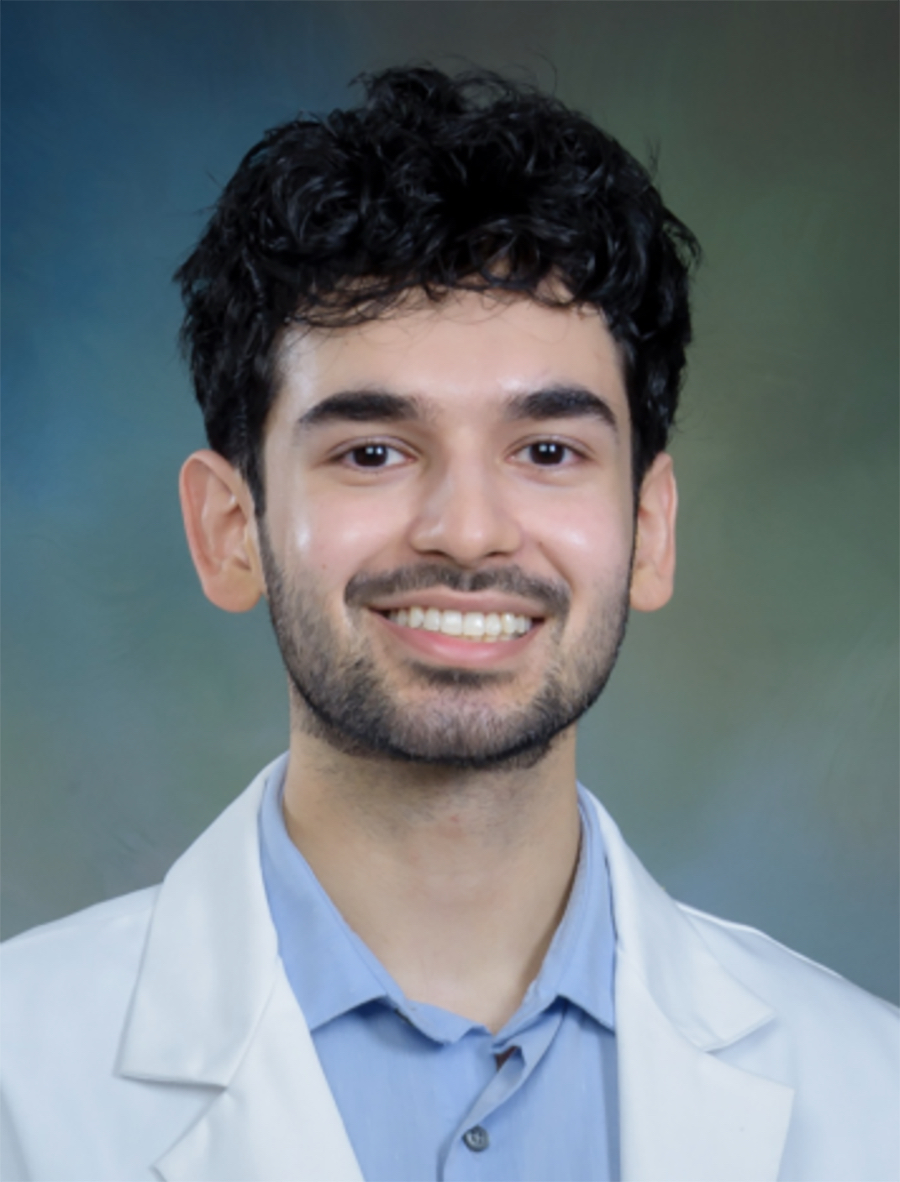
Sheheryar, a second-year medical student in UTMB's four-year MD/MPH program, is first author on the study. His co-authors include Dr. Yong-Fang Kuo and Yong Shan of the School of Public and Population Health's Department of Biostatistics and Data Science, Dr. Huey-Ming Tzeng of the School of Nursing, and Dr. Mukaila Raji of the John Sealy School of Medicine's Division of Geriatric Medicine. All four senior researchers hold appointments in UTMB's Sealy Center on Aging.
"I'm grateful to my awesome research team for their mentorship and support throughout our research process. Using national Medicare data from over 1.6 million older adults, our study found that Annual Wellness Visits are associated with reduced risk of falls and fractures in patients with Alzheimer's disease and related dementias, highlighting the impact of preventive care."
Sheheryar Ali, MD/MPH Student
What the study found
Falls and fractures are leading causes of disability, hospitalization, and premature death among older adults with Alzheimer's disease and related dementias (ADRD). Medicare has reimbursed Annual Wellness Visits (AWVs) since 2011 as a preventive service that includes fall risk screening, cognitive impairment detection, and functional ability review. While previous research had linked AWVs to lower fall and fracture risk in the general older adult population, their effect in people living with dementia was unknown.
The UTMB team studied a national cohort of 1,610,637 Medicare fee-for-service beneficiaries aged 68 and older with ADRD, tracking outcomes from 2017 through 2021. They stratified patients by the number of AWVs received in the three years before the study period and used inverse probability treatment weighting to control for selection bias.
The results showed a clear dose-response pattern. Compared to beneficiaries who received no AWVs, those with three or more visits had a 6.4% lower risk of falls and a 7.3% lower risk of fractures. Continuing to receive AWVs during the follow-up period amplified the protective effect, with ongoing visits associated with a 7.9% reduction in fall risk and a 7.1% reduction in fracture risk. The study also identified disparities: AWV benefits were weaker for Black and rural residents, and fracture risk reduction was not statistically significant in Black beneficiaries, a finding the authors flag as an area for further investigation.
From business to medicine and public health
Prior to starting his academic journey in Galveston, Sheheryar earned a BBA in finance from the University of Houston's C. T. Bauer College of Business, then worked as a software consultant at Oracle before starting at UTMB. His path toward medicine began earlier, though, during a nine-month AmeriCorps tenure at Legacy Community Health in Houston, where he served as a patient advocate connecting Spanish-speaking patients with resources to address food insecurity, transportation, and utilities.
That experience reshaped how he thought about health care. "I genuinely thought it was one of those things where what you can do for the patient clinically is what helps," he said in an interview. "I was very ignorant to all the non-medical drivers of health." The realization drove him to pursue the dual MD/MPH degree, combining the clinical training of the John Sealy School of Medicine with the population-level perspective of the School of Public and Population Health.
His connection to the AWV research began at UTMB's Annual Forum on Aging during his first year. He noticed Dr. Kuo's name appearing across several student-led projects and reached out. She placed him on the falls and fracture study, a natural extension of his interest in aging populations and health services research. "I grew up in a very traditional Asian household, multi-generational," he said. "My grandparents were the ones in the house, making sure we weren't home alone. I just feel like I connect better with older adults."
"This work aligns with UTMB's growing focus on brain health and the brain health economy. I'm also honored to have been invited to serve as a peer reviewer for the journal, and this experience has strengthened my interest in health services research at the intersection of public health and clinical care."
Sheheryar Ali
A year of recognition
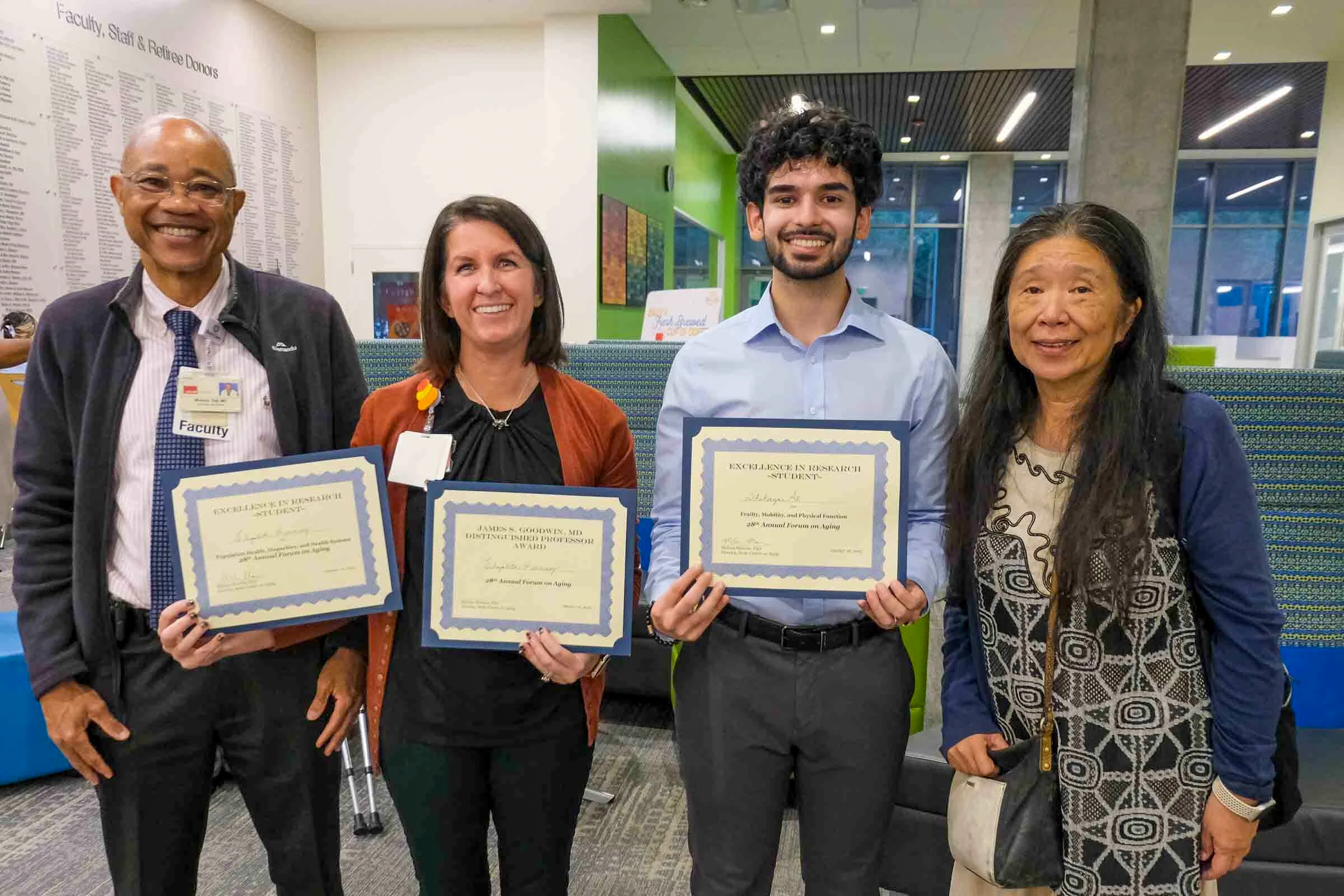
The Age and Ageing publication caps a productive stretch for Sheheryar. He received the best student research and poster presentation award in the Frailty, Mobility, and Physical Function category at UTMB's 28th Annual Forum on Aging for this same research.
He was also one of four students selected from his class of 240 to attend the AAMC RISE conference in Washington, D.C., a national leadership development program for second-year medical students. And he presented at AAMC's Learn Serve Lead 2026 conference on embedding entrepreneurship in undergraduate medical education.
At UTMB, Sheheryar has also launched the Business of Medicine Initiative, a student-led effort to build financial literacy among future physicians. The group covers topics from medical billing and coding to the economics of opening a private practice.
The AWV study was supported by a grant from the National Institutes of Health's National Institute on Aging (5R01AG083102-03).
Read the full study, "Impact of annual wellness visits on preventing falls and fractures for Alzheimer's disease and related dementias older adults," in Age and Ageing.