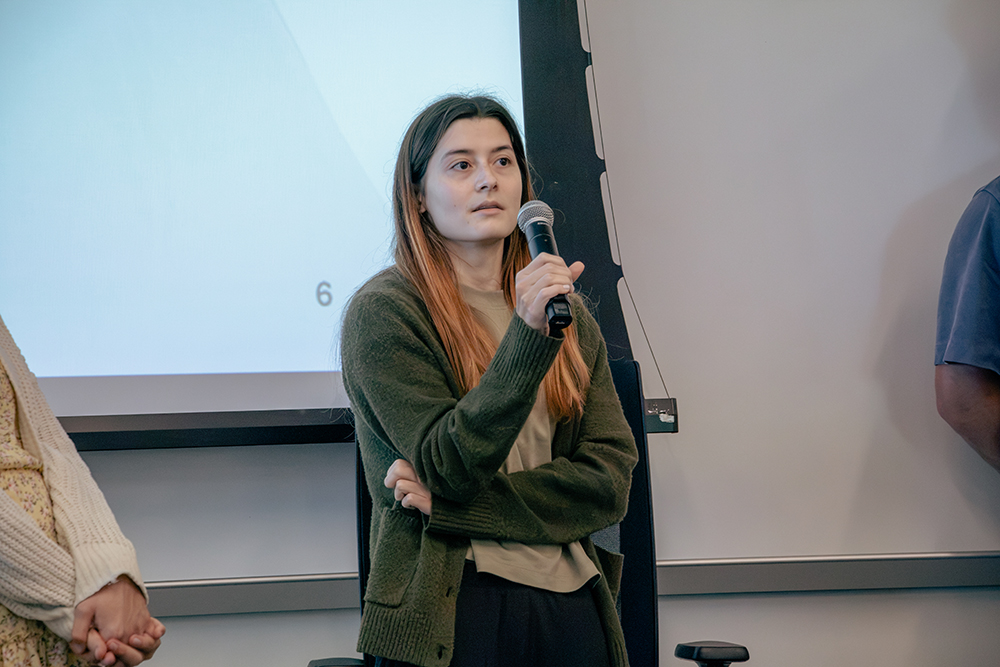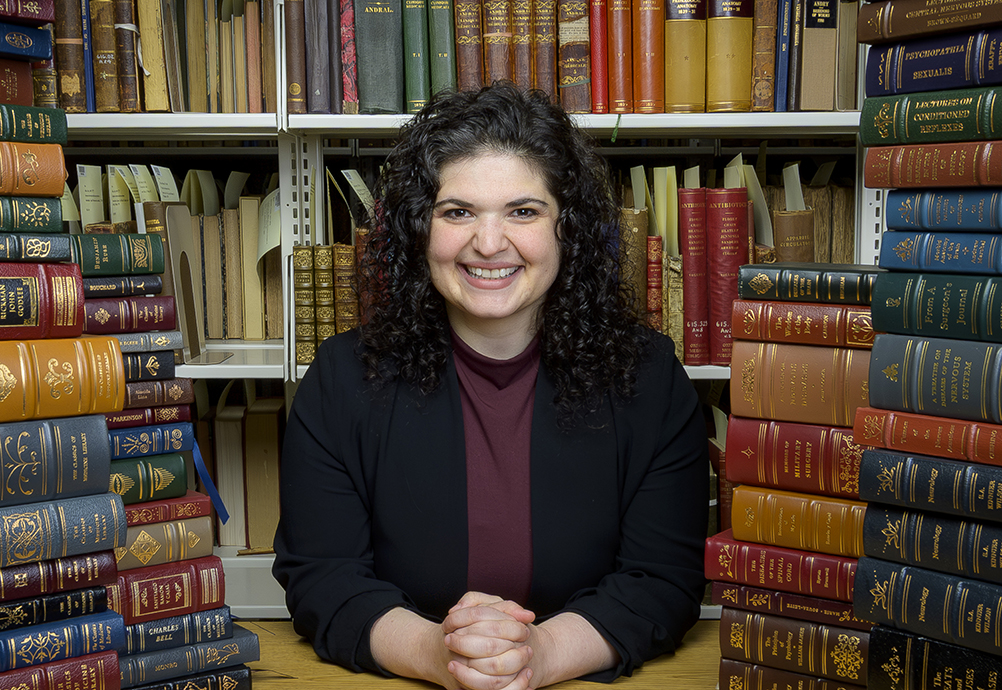
Dr. Miriam Rich celebrated the launch of her first book, Monstrous Conceptions: A History of Race, Disability, and Reproductive Medicine in the United States (Columbia University Press, 2026) with a special event at Open Gates. The launch featured a discussion panel chaired by Dr. Jacob Moses (BHH), with commentary by Dr. Matty Hemming (Rice), Dr. Pratik Chakrabarti (University of Houston), and Dr. Trevor Engel (BHH). Dr. Rich also discussed the research for her book in a “Heritage Half Hour” talk at UTMB’s Moody Medical Library.
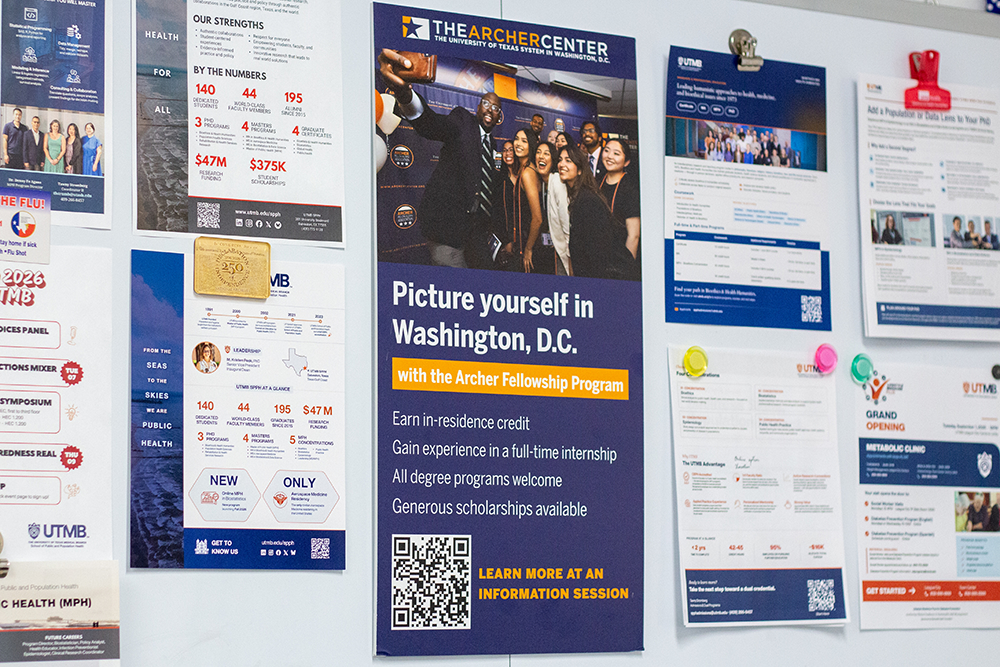
UT System graduate and medical students can apply for the summer 2027 Archer Fellowship in Washington, D.C. Explore coursework, full-time internships, eligibility and funding before the November 1, 2026 deadline.
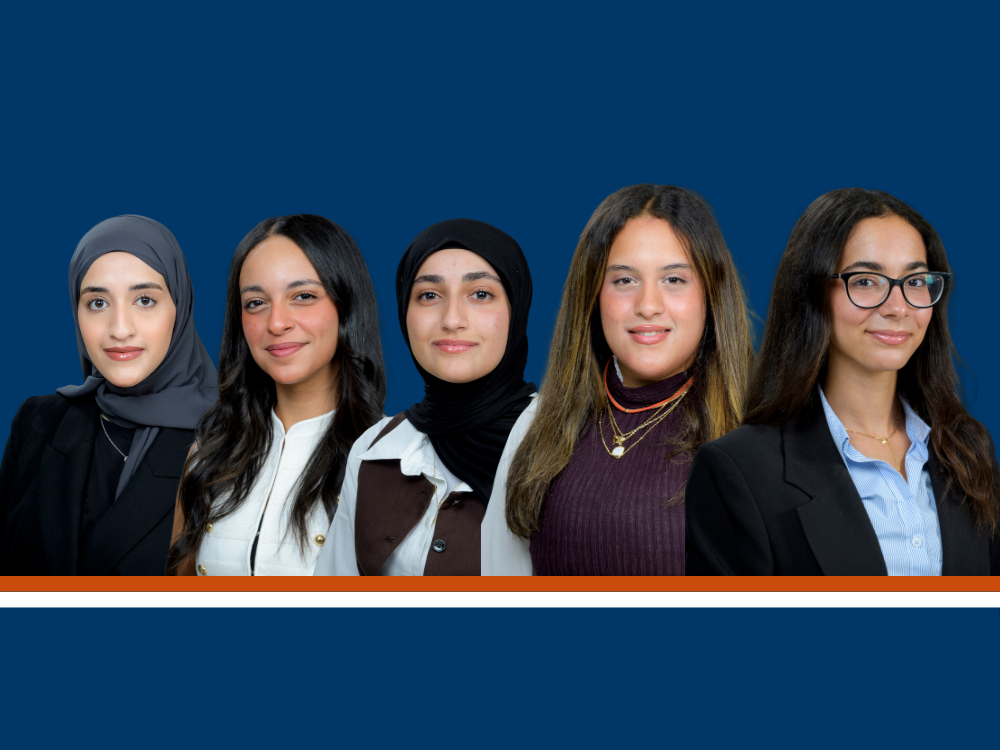
Five medical students from Badya University in Egypt spent Aug. 2 through Aug. 28 at UTMB, working through sessions on global health governance, pandemic preparedness and climate, and building one shared project on how students and faculty use artificial intelligence.
.jpg?sfvrsn=8f395653_1 "Molldrem_Peru_INS (002)")
During a recent trip to Lima, Perú in support of a research collaboration with Dr. Cesar Ugarte-Gil, UTMB Bioethics and Health Humanities Associate Professor Dr. Stephen Molldrem delivered two presentations on ethical issues in pathogen genomics.
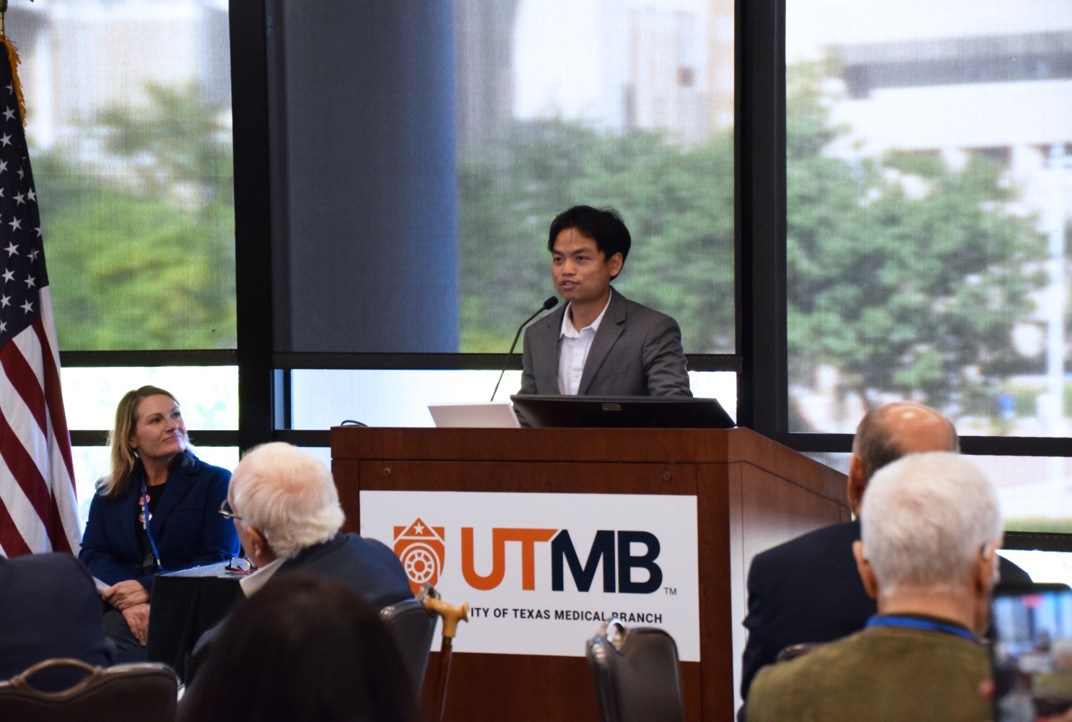
Duy presented his research, “Return to Sender: When the Gut Bacteria Refuses to Let Meds Go,” in a three-minute presentation and was selected as the winner.
* Approximations subject to change
4 Masters Programs
From the Seas to the Skies, We Are Public Health
Exploring health from every angle—land, sea, and sky—our diverse expertise shapes the future of public health.



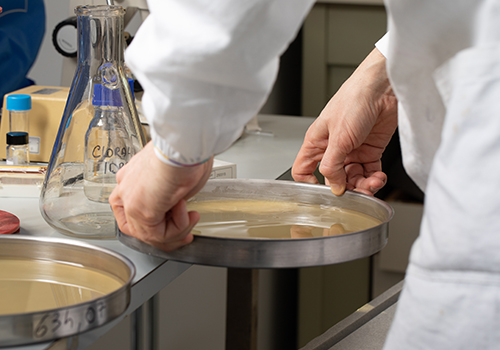

Advancing health through innovative, data-driven research that informs policy, improves care, and impacts communities globally.
Discover Our Research