News

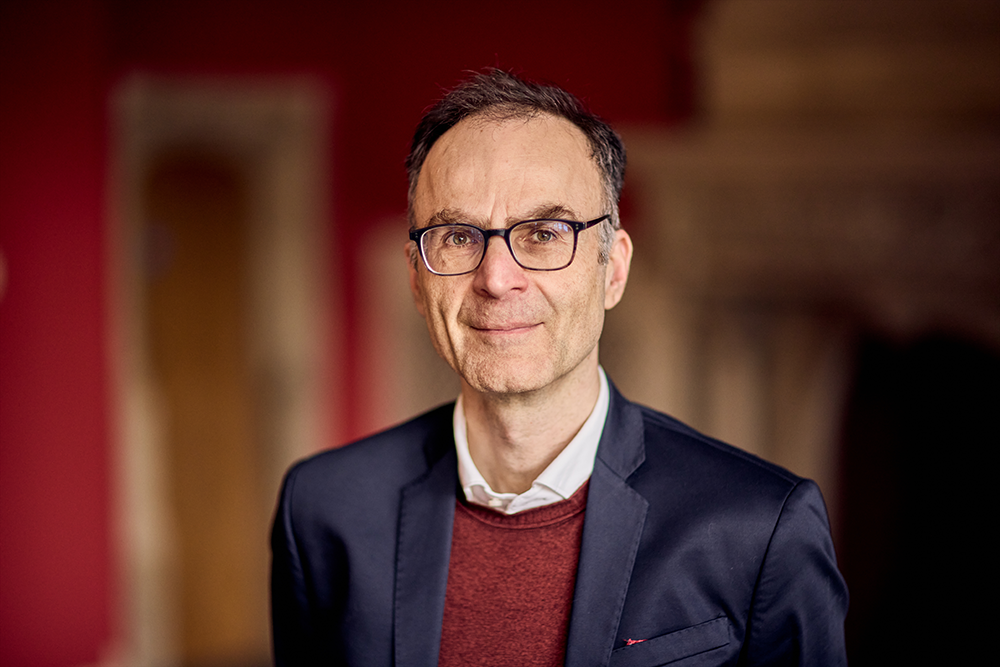
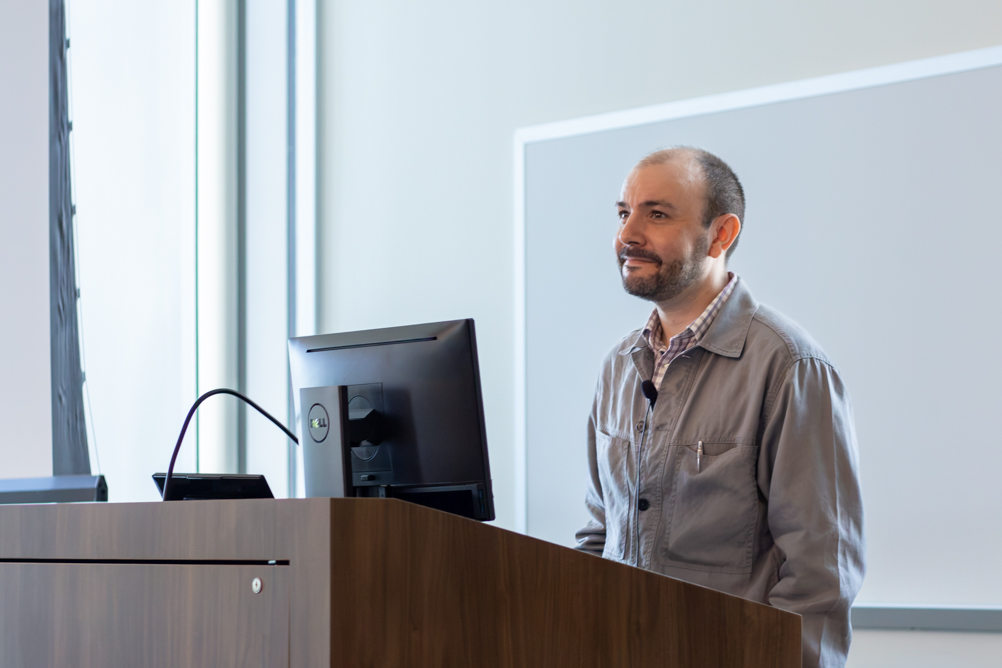
Dr. Jacob Moses delivers a seminar from a lectern in a UTMB classroom.

Why does the public trust some experts and not others?

Reaching a recent UTMB seminar required participants to place their trust in more systems—and more forms of expertise—than they might have realized.

They relied on building engineers, food-service staff, elevators, and crosswalk signals. Most used those systems without understanding exactly how they worked or personally verifying the people behind them.

Jacob Moses, PhD, introduced the UTMB community to Science and Technology Studies, or STS, during a mini seminar hosted by the Department of Bioethics & Health Humanities.

Dr. Moses is an assistant professor in the department and director of its graduate program. His seminar, “Why does the public trust some experts and not others?” offered a preview of BHH 6312: Science and Technology Studies.

STS examines how science and technology operate within society. The field considers how researchers communicate with different publics, how policymakers interpret evidence and how communities participate in research that affects them.

During the seminar, participants discussed how people decide who qualifies as an expert and why specialized knowledge does not automatically produce trust. Training and experience contribute to expertise, but credibility is also shaped by institutions, relationships, history and power.

Artificial intelligence was brought up as a timely example. Patients and health professionals may be asked to rely on an AI system without being able to see how it reached a result. STS looks beyond the technology itself to examine the data, organizations, policies and human decisions that shape how it is developed and used. More on how AI is changing disease diagnosis and why physicians still matter.

The discussion also challenged the assumption that skepticism toward science can be corrected simply by giving people more information. Knowledge is important, but trust is also influenced by experience, values and whether institutions have demonstrated that they are worthy of confidence.

That distinction between trust and trustworthiness connects closely with bioethics and health humanities.

Researchers, clinicians and health organizations must consider not only how to communicate their expertise, but also how to demonstrate competence, acknowledge limitations and act responsibly toward the people they serve.


UTMB students can continue exploring these questions in BHH 6312: Science and Technology Studies, a graduate course offered during the Fall 2026 term. The class meets Wednesdays from 9 a.m. to noon and examines how scientific knowledge gains authority, how societies understand risk and how new technologies move from laboratories into everyday life.

No previous humanities background is required. The course may also be selected as part of UTMB’s Bioethics and Health Humanities Certificate.

For course and enrollment information, contact spphadmissions@utmb.edu.
Events

By the Numbers

Strength in numbers—driven by dedicated faculty, ambitious students, and impactful research funding shaping the future of public health.

* Approximations subject to change

4 Masters Programs

From the Seas to the Skies, We Are Public Health

Exploring health from every angle—land, sea, and sky—our diverse expertise shapes the future of public health.

Public Health Research

Advancing health through innovative, data-driven research that informs policy, improves care, and impacts communities globally.

Discover Our Research

Student Spotlight

Celebrating our students’ achievements, impact, and excellence—inside the classroom and beyond.

Dr. Jacob Moses delivers a seminar from a lectern in a UTMB classroom.

Why does the public trust some experts and not others?

Reaching a recent UTMB seminar required participants to place their trust in more systems—and more forms of expertise—than they might have realized.

They relied on building engineers, food-service staff, elevators, and crosswalk signals. Most used those systems without understanding exactly how they worked or personally verifying the people behind them.

Jacob Moses, PhD, introduced the UTMB community to Science and Technology Studies, or STS, during a mini seminar hosted by the Department of Bioethics & Health Humanities.

Dr. Moses is an assistant professor in the department and director of its graduate program. His seminar, “Why does the public trust some experts and not others?” offered a preview of BHH 6312: Science and Technology Studies.

STS examines how science and technology operate within society. The field considers how researchers communicate with different publics, how policymakers interpret evidence and how communities participate in research that affects them.

During the seminar, participants discussed how people decide who qualifies as an expert and why specialized knowledge does not automatically produce trust. Training and experience contribute to expertise, but credibility is also shaped by institutions, relationships, history and power.

Artificial intelligence was brought up as a timely example. Patients and health professionals may be asked to rely on an AI system without being able to see how it reached a result. STS looks beyond the technology itself to examine the data, organizations, policies and human decisions that shape how it is developed and used. More on how AI is changing disease diagnosis and why physicians still matter.

The discussion also challenged the assumption that skepticism toward science can be corrected simply by giving people more information. Knowledge is important, but trust is also influenced by experience, values and whether institutions have demonstrated that they are worthy of confidence.

That distinction between trust and trustworthiness connects closely with bioethics and health humanities.

Researchers, clinicians and health organizations must consider not only how to communicate their expertise, but also how to demonstrate competence, acknowledge limitations and act responsibly toward the people they serve.


UTMB students can continue exploring these questions in BHH 6312: Science and Technology Studies, a graduate course offered during the Fall 2026 term. The class meets Wednesdays from 9 a.m. to noon and examines how scientific knowledge gains authority, how societies understand risk and how new technologies move from laboratories into everyday life.

No previous humanities background is required. The course may also be selected as part of UTMB’s Bioethics and Health Humanities Certificate.

For course and enrollment information, contact spphadmissions@utmb.edu.