"This research could introduce a new perspective to the discussion of preventing and mitigating the devastating effects of stroke and related brain injuries,” said Dr. Matias Costa about research presented at the annual Society of Neurointerventional Surgery’s meeting discussing use of GLP-1 inhibitors to minimize the impact of strokes and brain injuries.
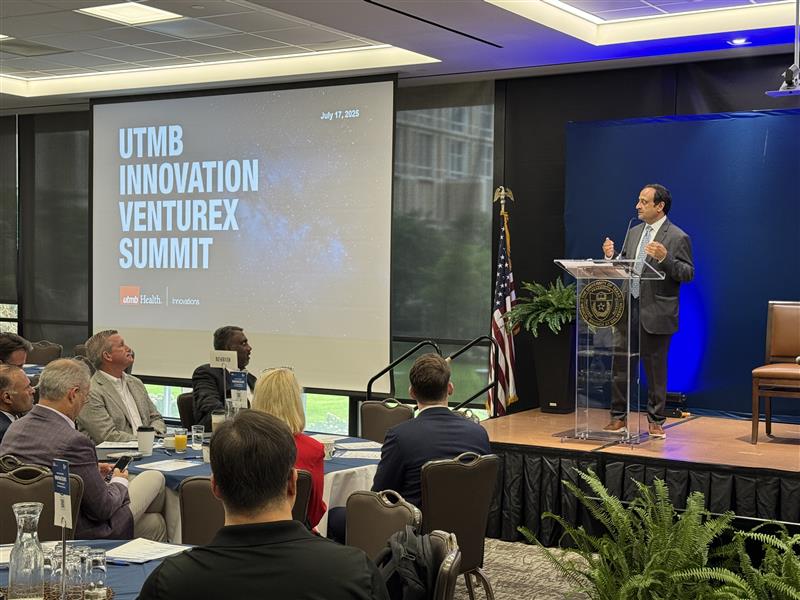
The University of Texas Medical Branch today hosted the inaugural VentureX Summit, a dynamic one-day event that brought together innovators, entrepreneurs, investors, and scientific leaders to explore the future of biotech, health innovation, and translational science.

A realistic, high-impact experience aimed at preventing impaired and distracted driving will return to Galveston next month. The University of Texas Medical Branch Trauma Services will host its signature “Is It Worth It?” DUI awareness event on Friday, July 18, from 11 a.m. to 3 p.m. at Moody Methodist Church (2803 53rd St.).
UTMB’s Dr. Stephen B. Williams spoke to Renal + Urology News for a story on trial findings show that the NeuroSAFE technique leads to a significant improvement in patient-reported erectile function scores and early urinary continence scores compared with standard robot-assisted radical prostatectomy. “For experienced centers with access to high-quality pathology support, NeuroSAFE may shift the paradigm for function-preserving prostate cancer surgery,” Williams said.
.jpg?sfvrsn=3303dc55_3 "Eleven UTMB staff and students earned recognition on the 2025 Galveston County Daily News “40 Under 40” list.")
Eleven University of Texas Medical Branch staff and students have been included in the 2025 “40 Under 40” list created annually by The Galveston County Daily News.

The University of Texas Medical Branch and Blue Zones, the global leader in longevity research and community well-being transformation, have announced an initiative to launch Blue Zones Ignite in Galveston.
UTMB’s Dr. Chih-Ying Li was featured in this story on rehab hospitals that have serious incidents of patient harm and perform below average on safety measures. Li’s said in an interview that a research study she conducted found the profit status of a rehab facility was the only characteristic associated with higher unplanned readmissions. This news was also published in The New York Times.
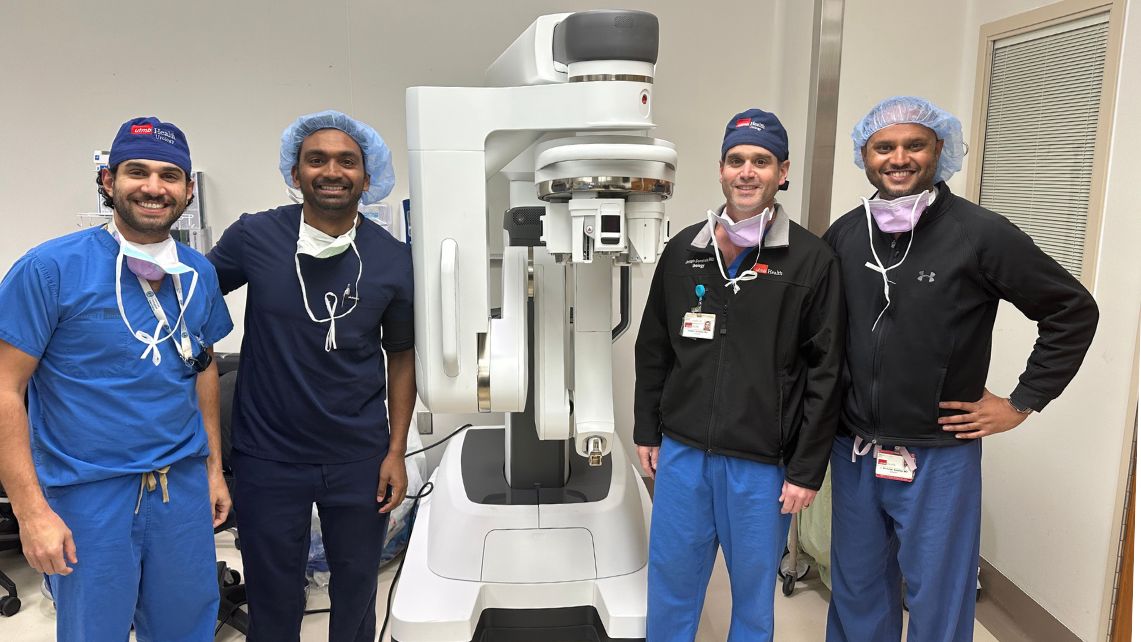
The University of Texas Medical Branch urology team is celebrating the launch and ongoing expansion of single-port robotic surgery.
“What was once a relatively predictable seasonal threat has evolved into a year-round concern in many areas,” Dr. Dennis Bente says. Gizmodo published a lengthy Q&A with Bente about the ticks and the diseases they carry.

Summer in Texas brings soaring temperatures, outdoor fun—and the need for extra hydration, especially for kids. But what if your child isn’t a fan of drinking water? Fortunately, there are easy and creative ways to help keep your little ones hydrated all summer long.

Effective in the fall of 2025, third- and fourth-semester School of Nursing Bachelor of Science in Nursing students rotating at University of Texas Medical Branch clinical locations will have access to the Epic electronic health record system.
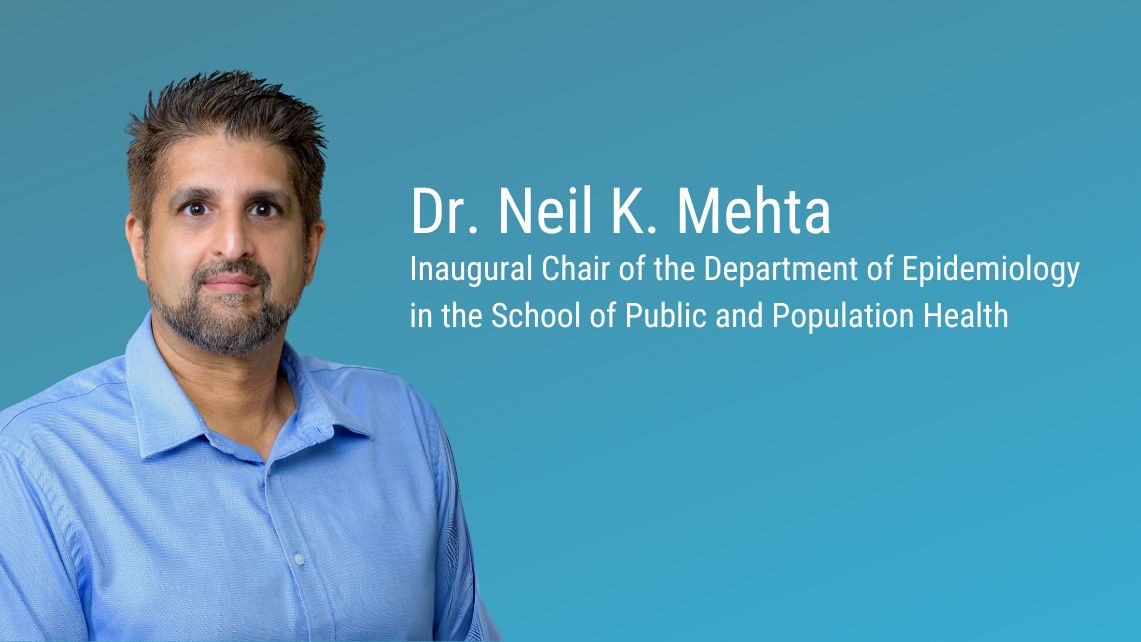
The University of Texas Medical Branch appointed Dr. Neil K. Mehta the inaugural Chair of the Department of Epidemiology in the School of Public and Population Health.
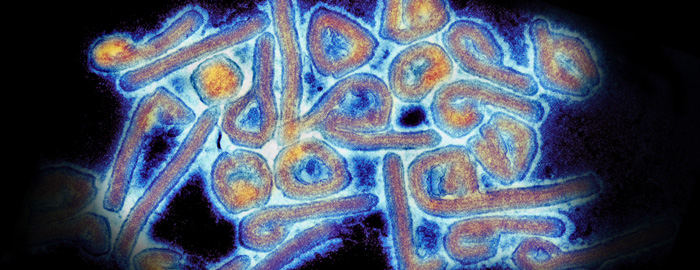
In a major step forward for pandemic preparedness and vaccine development, scientists at the University of Texas Medical Branch and Moderna have developed and tested a groundbreaking mRNA vaccine that provides full protection against the deadly Marburg virus and the closely related Ravn virus in a preclinical animal model.

Fireworks can cause life changing injuries. Learn the dos and don'ts from UTMB Health Trauma Services to keep you and your family safe.
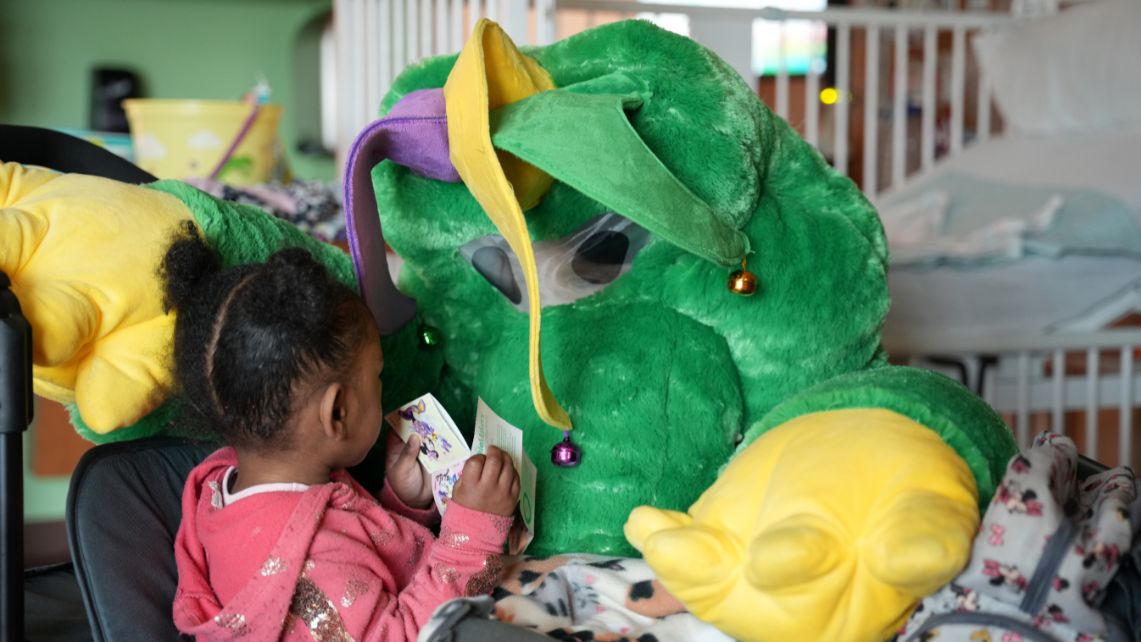
At the University of Texas Medical Branch, Sheryl Bucsanyi serves as the dedicated Pediatric Hospital Teacher, making sure young patients stay connected to learning during their hospital stay.
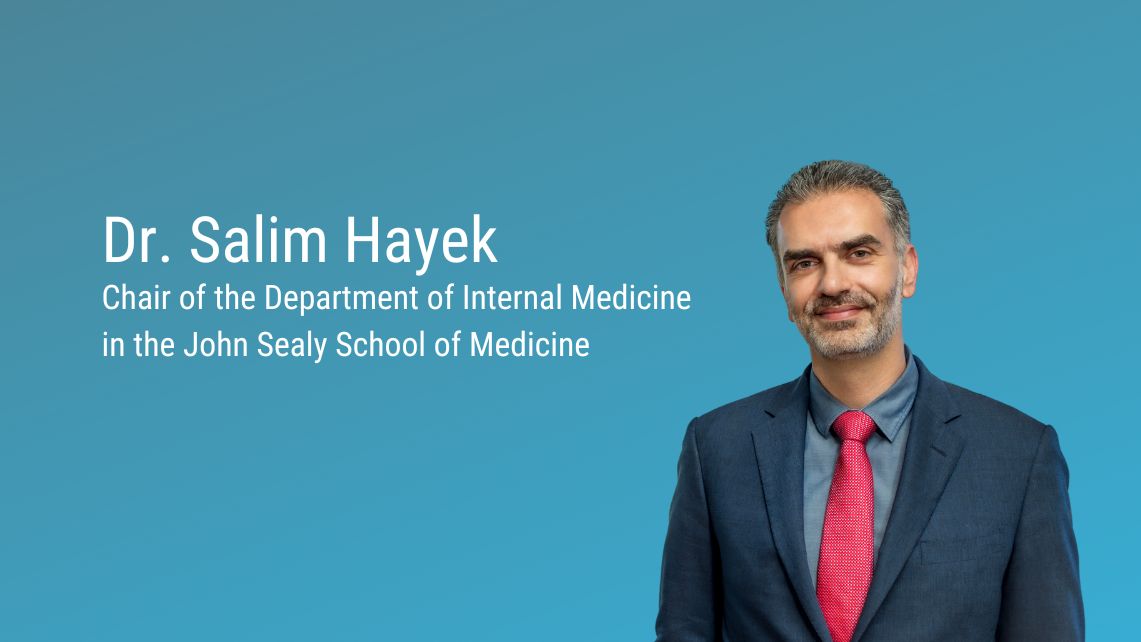
The University of Texas Medical Branch appointed Dr. Salim Hayek as Chair of the Department of Internal Medicine in the John Sealy School of Medicine, effective July 1.
Dr. Clare McNerlin and Dr. Daniel Kaganov, two inaugural emergency medicine/aerospace medicine residents at UTMB, write about UTMB’s program and the fields of aerospace and emergency medicine. “Although emergency and aerospace medicine are practiced in different settings, both share a commitment to saving lives through rapid, effective care in high-pressure situations,” they write.
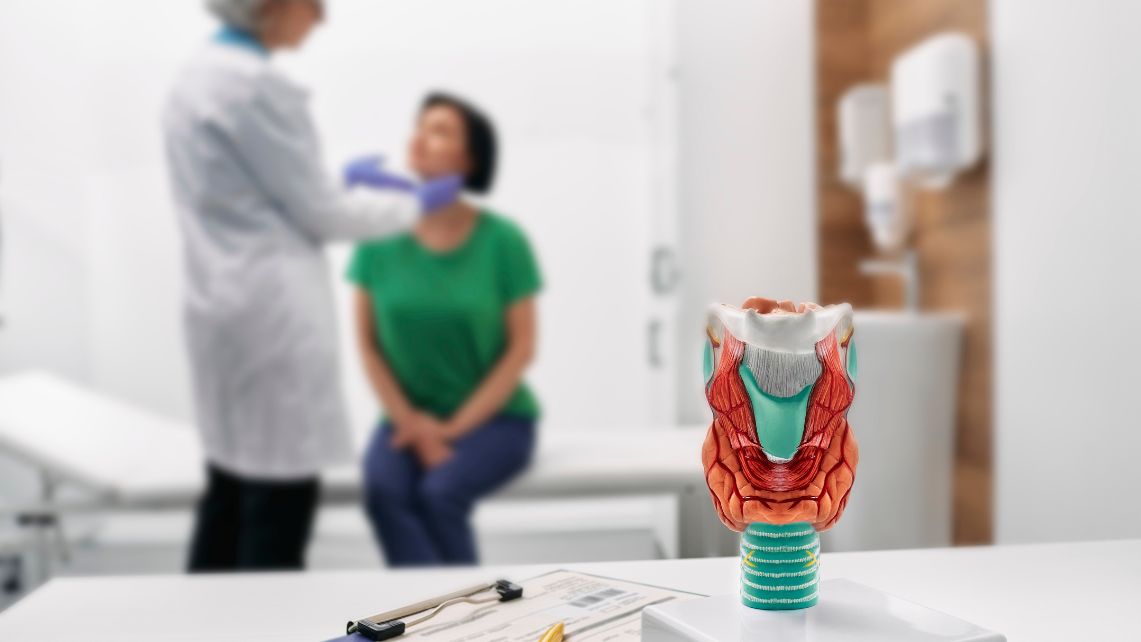
A major new study led by researchers at the University of Texas Medical Branch suggests that standard treatment for hypothyroidism may not fully protect patients from long-term risks such as dementia and premature death—even when thyroid-stimulating hormone levels are within the normal range.

Juneteenth holds a profound place in Texas and American history. For many across UTMB Health, the holiday is more than a date on the calendar. It’s a reflection of heritage, a reminder of progress, and a connection to the community that continues to shape our institution.
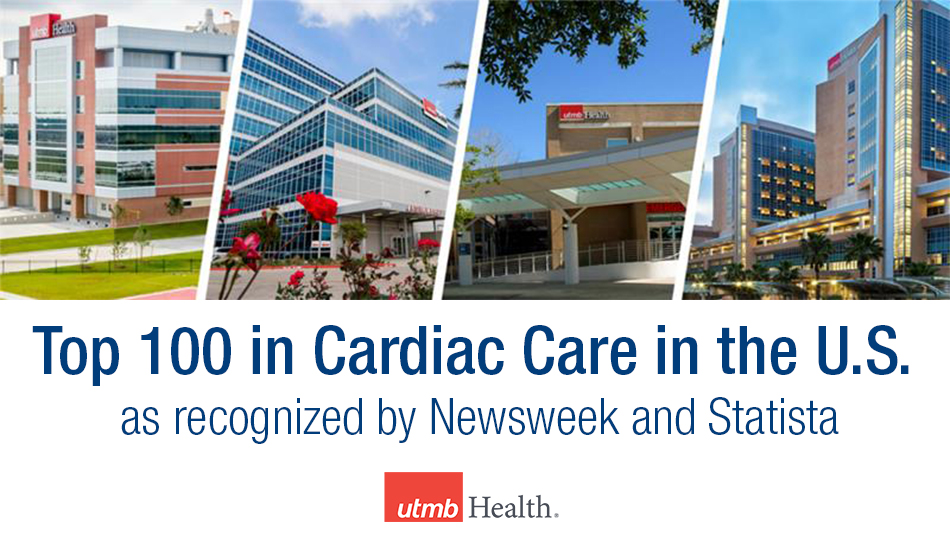
The University of Texas Medical Branch has been ranked among the top 100 hospitals for cardiac care in the United States as listed in the 2025 edition of Newsweek/Statista’s America’s Best Specialized Hospitals.