“It’s not just about comparing success rates; it’s about defining what success means for each family, whether that’s minimizing interventions, avoiding anesthesia, or achieving the lowest chance of readmission,” Dr. Isabella Faria tells Medscape. Faria was an author on a recent paper reevaluating nonoperative management of pediatric appendicitis.
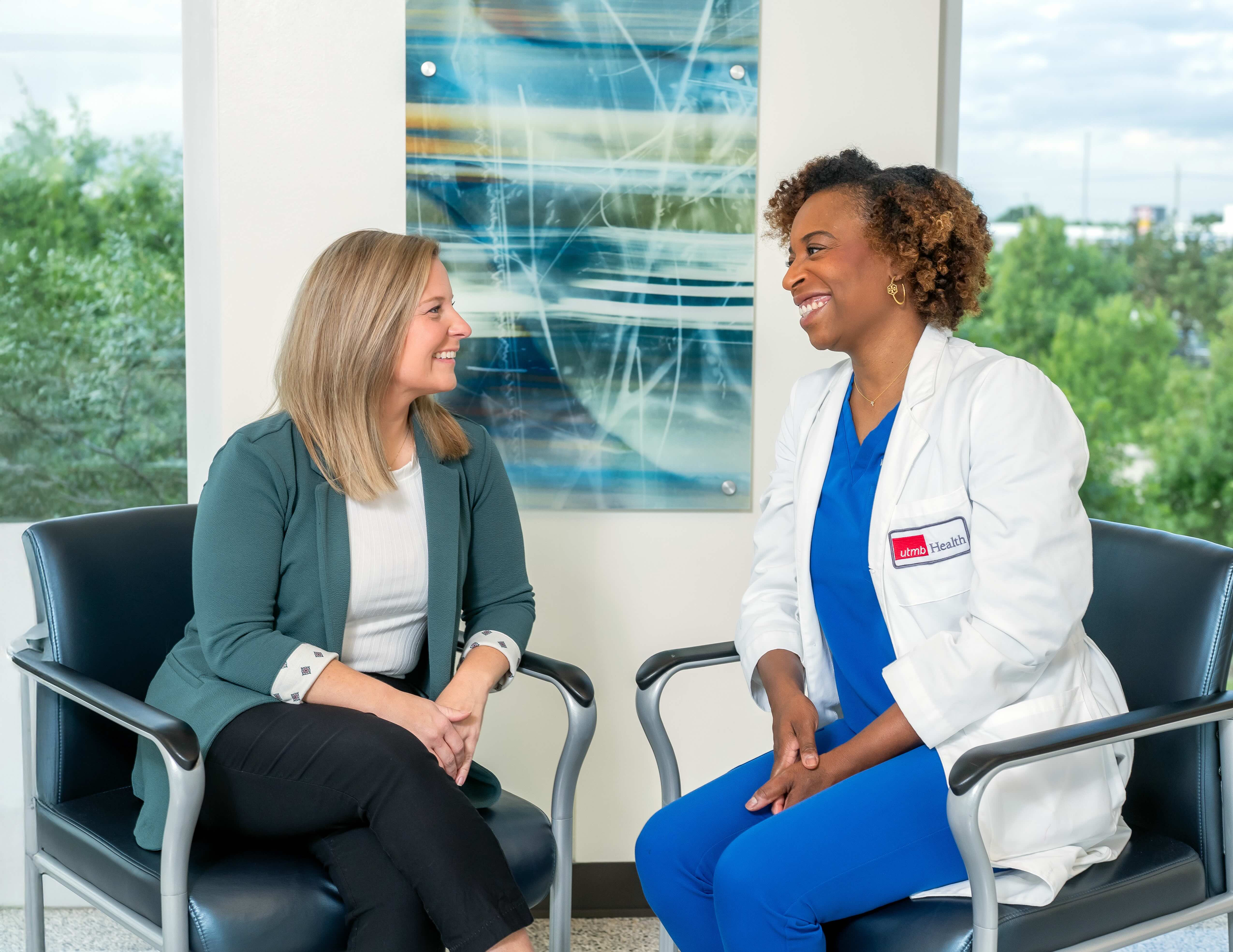
Regular OB-GYN visits are vital for women’s health, offering preventive care and support through all life stages, from adolescence to menopause. UTMB Health emphasizes early visits to build trust and educate young patients, while adult care focuses on screenings, reproductive health, and symptom management during hormonal transitions.
The Association for Molecular Pathology (AMP), a leading global molecular diagnostic society, has honored UTMB’s Dr. Michael Laposata with its prestigious Champion for Innovation Award for his countless contributions to the clinical laboratory field and for his role as a joint plaintiff in AMP’s lawsuit challenging the U.S. Food and Drug Administration’s rule on laboratory-developed test procedure regulation.
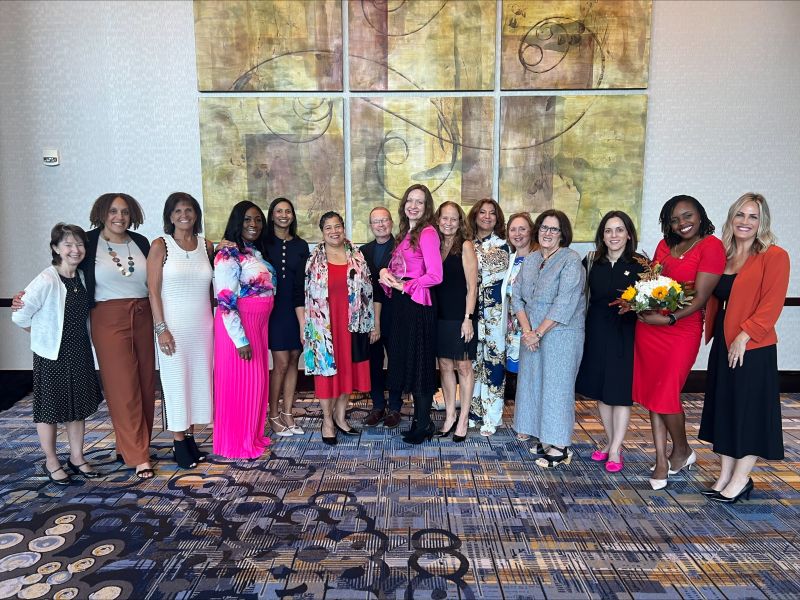
The University of Texas Medical Branch is proudly celebrating nurses from various UTMB campuses honored by the Good Samaritan Foundation for their outstanding dedication to patient care and service.
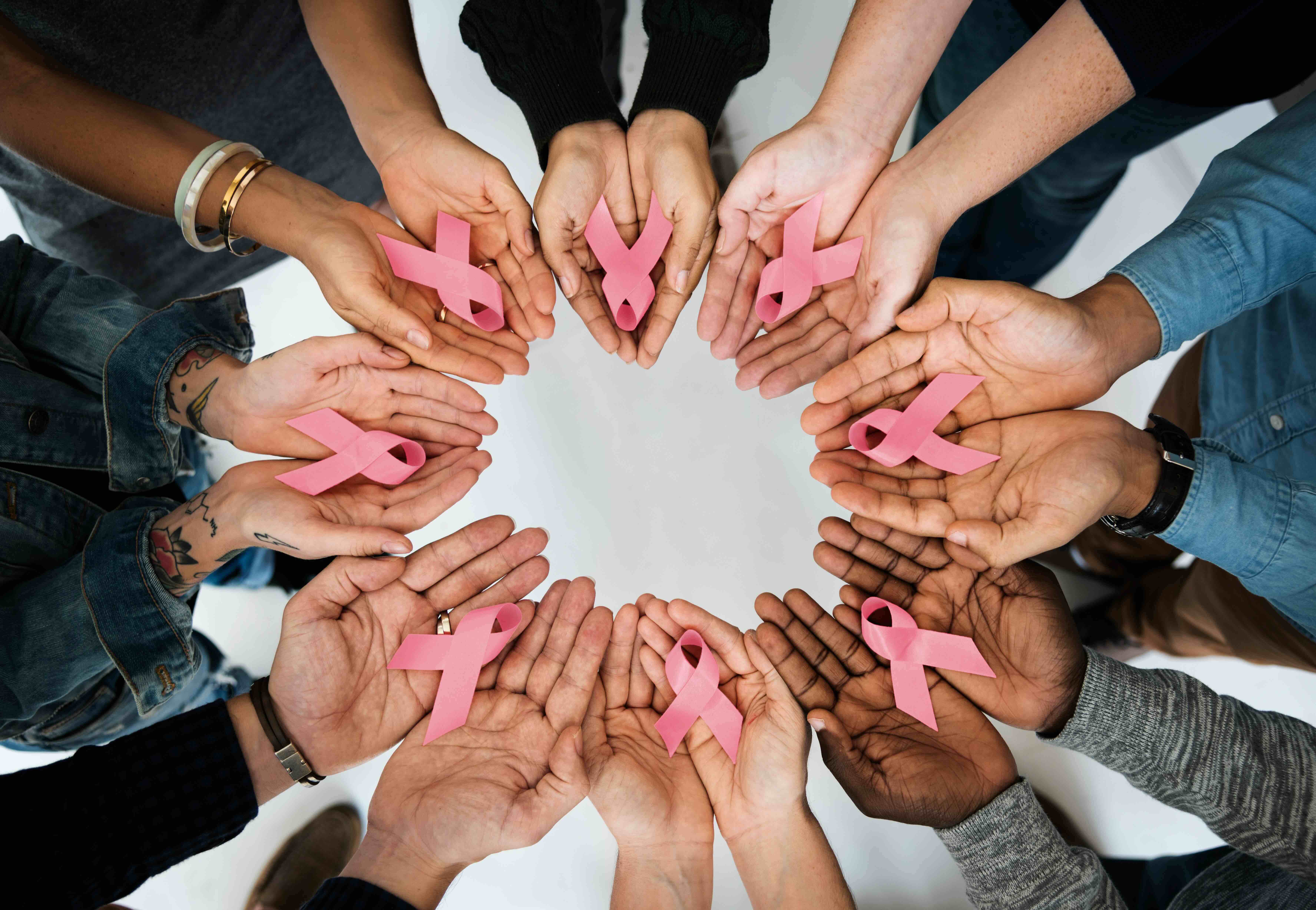
Hope in Action: Dolly’s Promise to Continue Legacy of Offering Breast Cancer Screenings to Uninsured
Honoring Darleene “Dolly” Warren's legacy of service, Dolly’s Promise, plans to offer all breast health services to support underserved residents of Galveston County to help prevent, detect, or treat breast cancer.
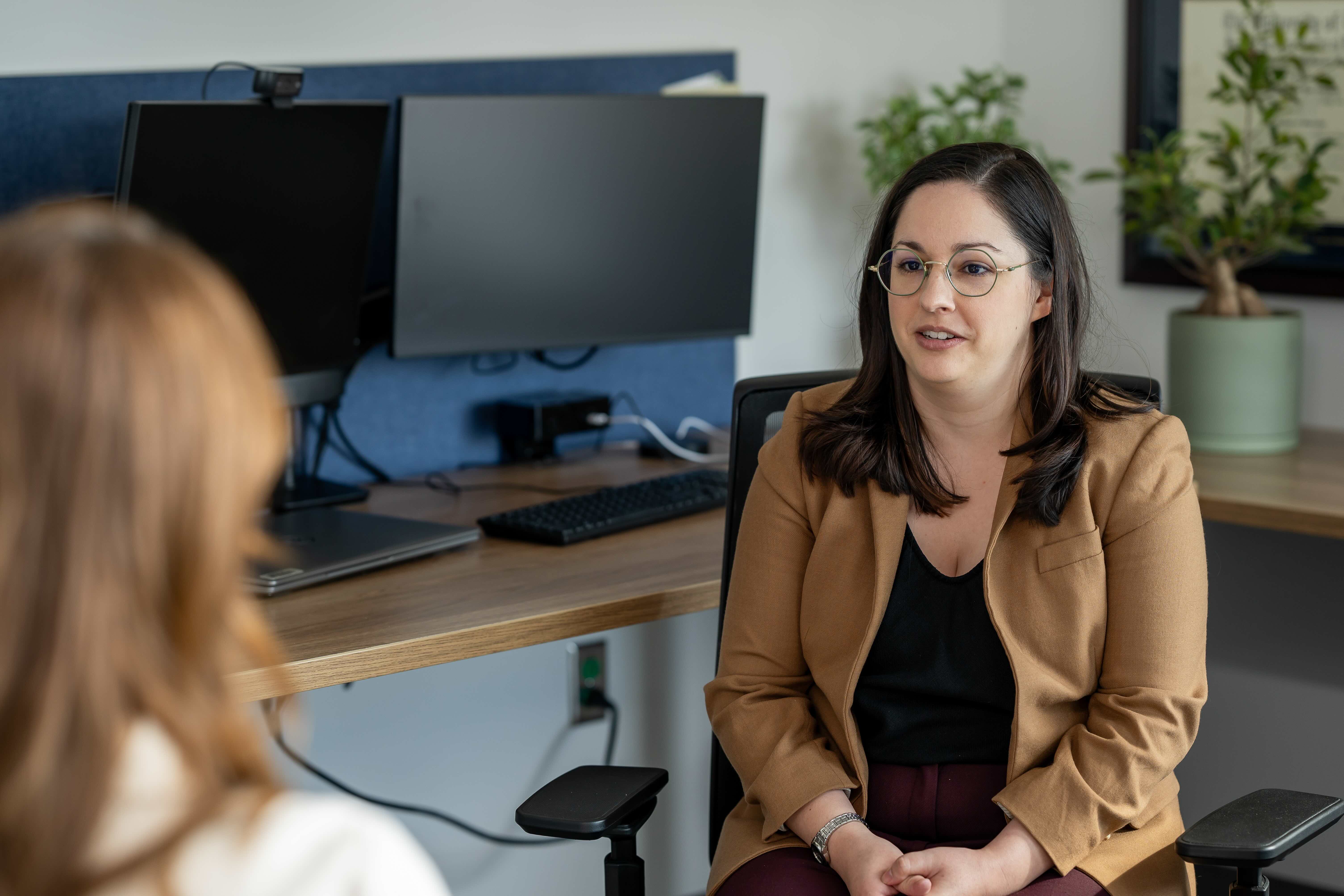
A breast cancer diagnosis is life-changing news. Understanding the emotional impact is the first step in supporting patients and families as they cope with everything and move forward toward treatment and recovery.
New Texas energy package could help older adults in long-term care facilities during extreme weather
“It is the rural communities that are being disproportionately affected by the power outages,” UTMB’s Dr. Brian Downer tells The Daily Yonder. Recent research shows that the elderly and those in rural areas are at greater risk from adverse climate events and power outages, reports The Daily Yonder.
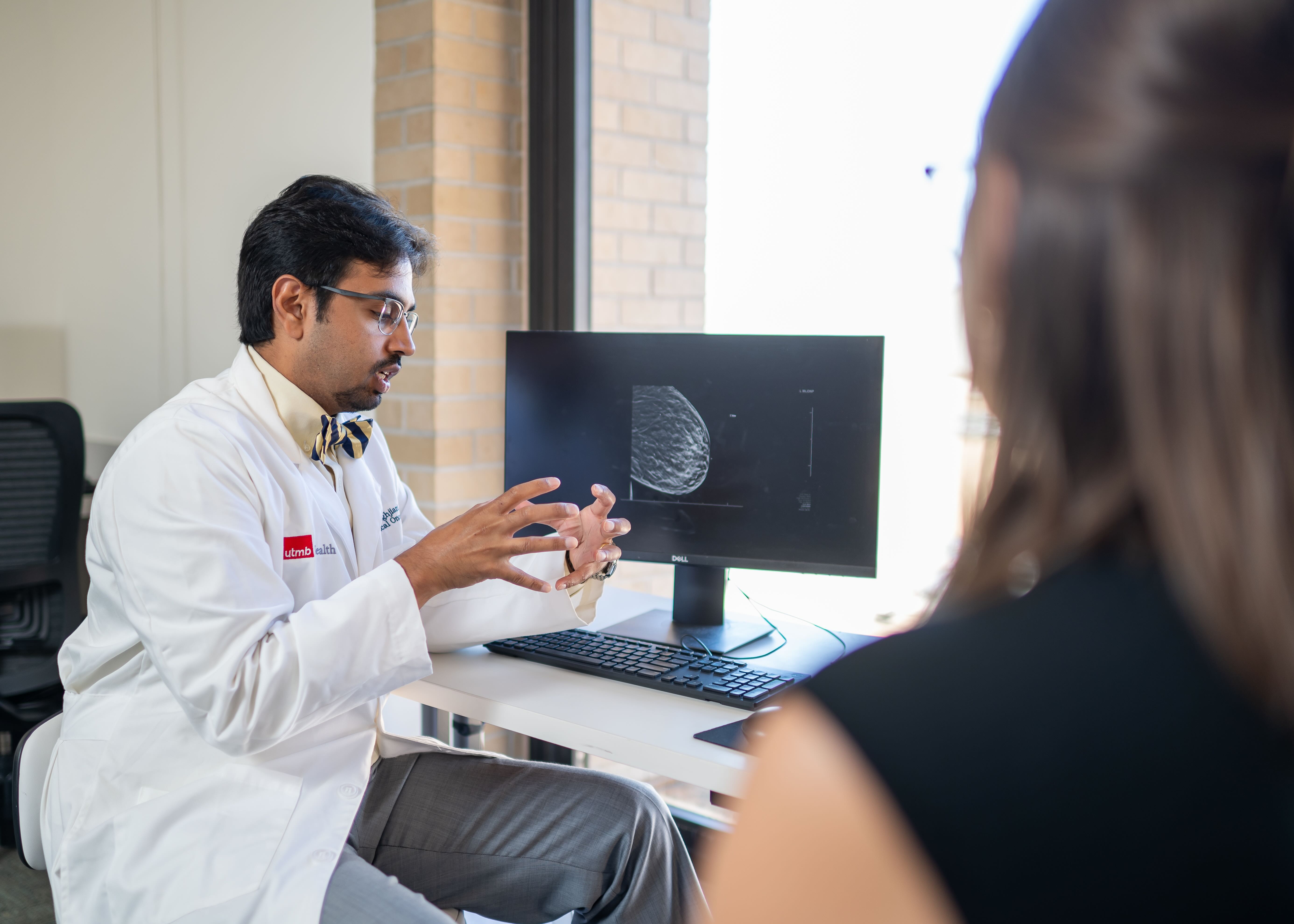
A breast cancer diagnosis is generally the worst news a woman can receive, but although the journey is challenging, there are also many reasons for genuine hope. Each year, more women are not only surviving breast cancer, but thriving afterward, thanks to treatments that are more effective and more compassionate than ever.

Breast health is highly individual, with varying expert opinions and personal risk factors, making early education and proactive care essential. Understand your risk through family history and medical consultation, know your breasts by recognizing changes, and follow personalized screening plans with your doctor.
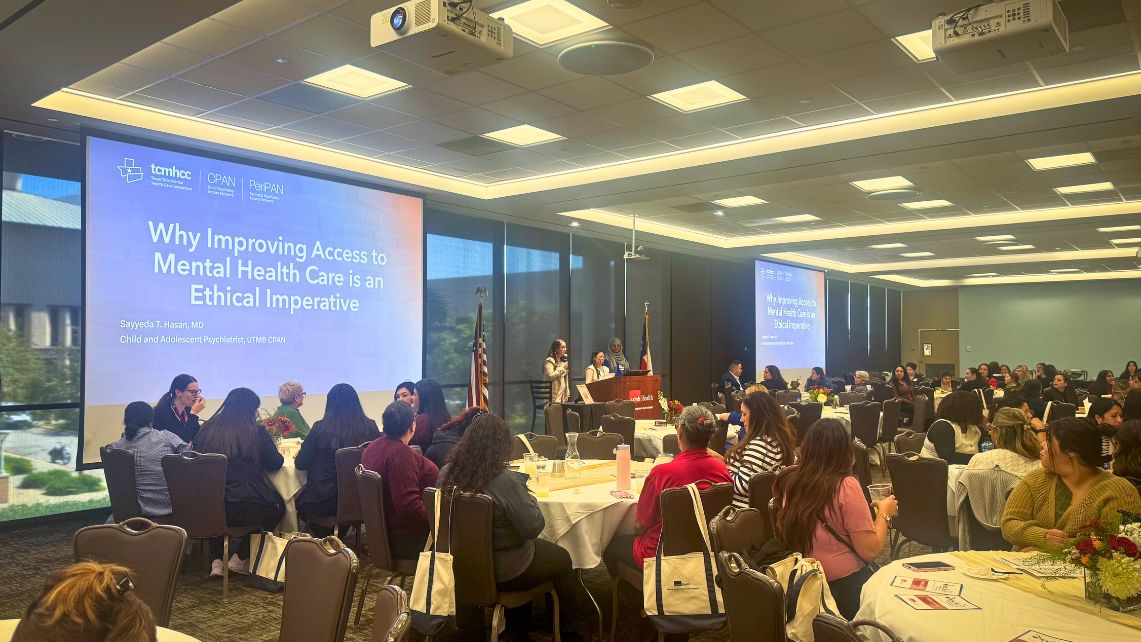
The University of Texas Medical Branch is hosting the 3rd Annual Howard and Lillian Becker Perinatal Care Conference today and Thursday at its Galveston Campus, serving as the required annual all-staff training mandated by the Texas Health and Human Services Commission through UTMB Regional Women’s Services and Pediatrics (RWSP) grants.
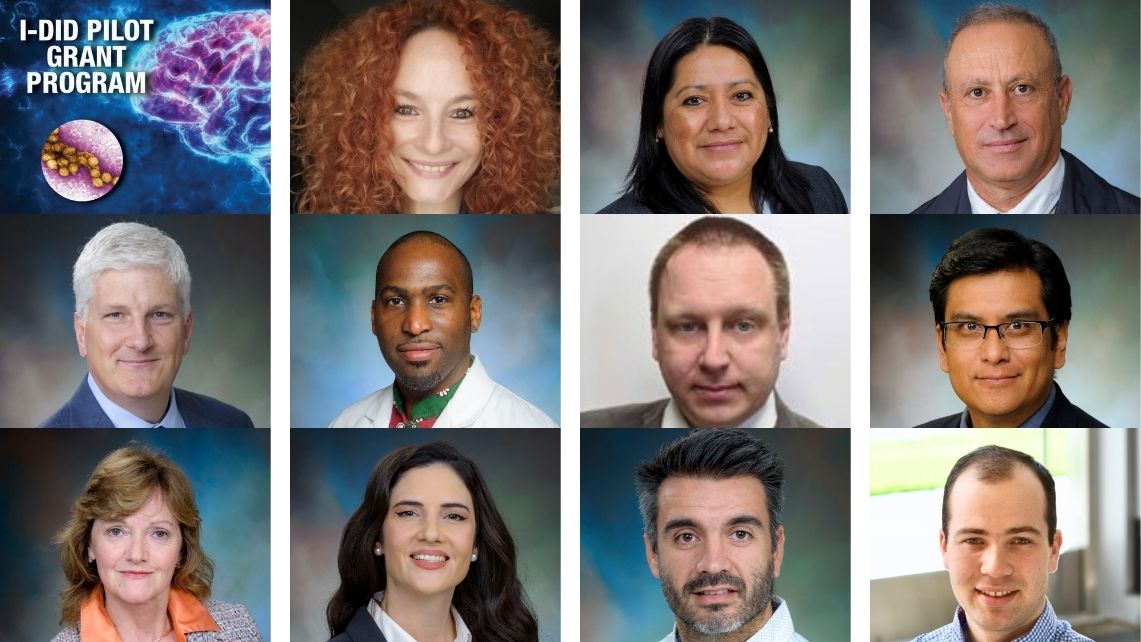
The Moody Brain Health Institute, in partnership with the Institute for Human Infections & Immunity, announced the winners of the first I-DID (Intersection of Dementia & Infectious Disease) Pilot Program.
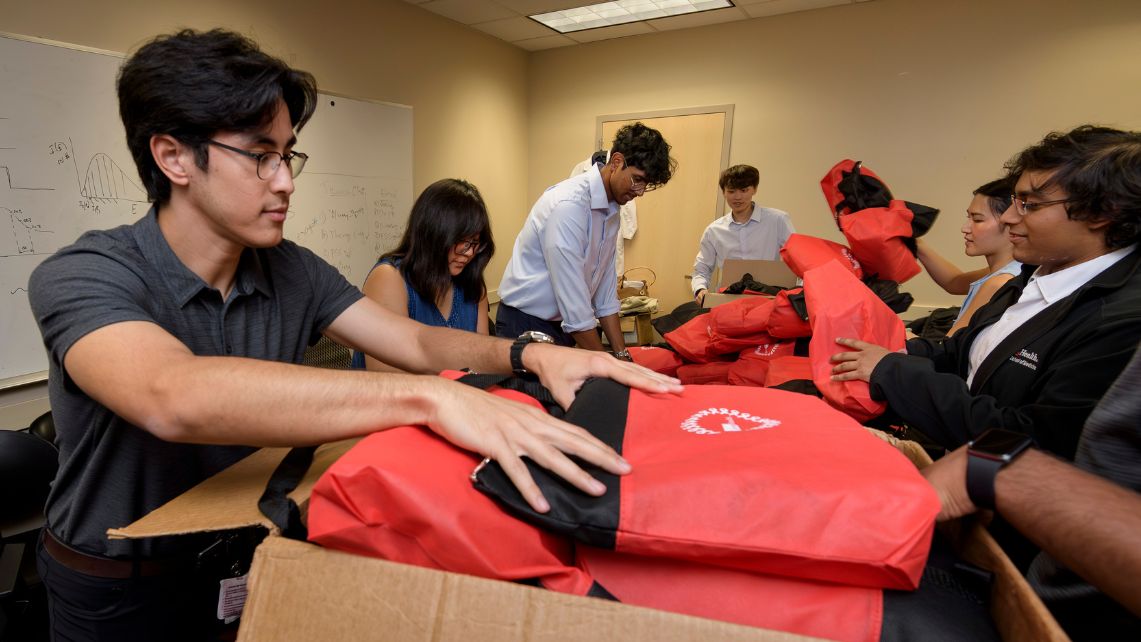
Second-year medical students at the University of Texas Medical Branch assembled 400 Chemo Comfort Kits to support patients undergoing the physically taxing and emotionally challenging treatment of chemotherapy.
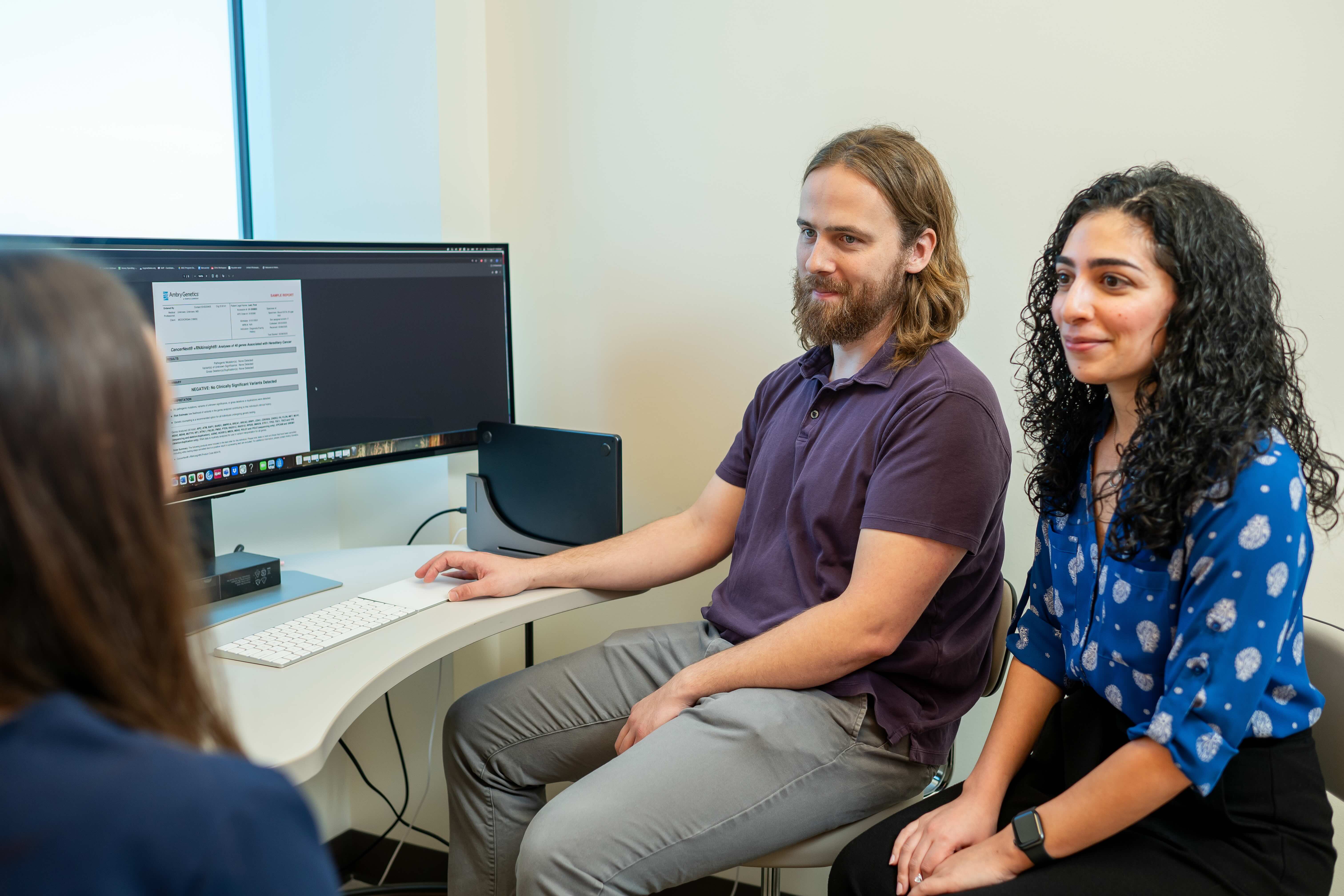
Young women with a family history of breast cancer can benefit from genetic counseling to assess hereditary risk, guide screening decisions, and consider lifestyle changes. UTMB counselors stress self-advocacy and early awareness for better outcomes.
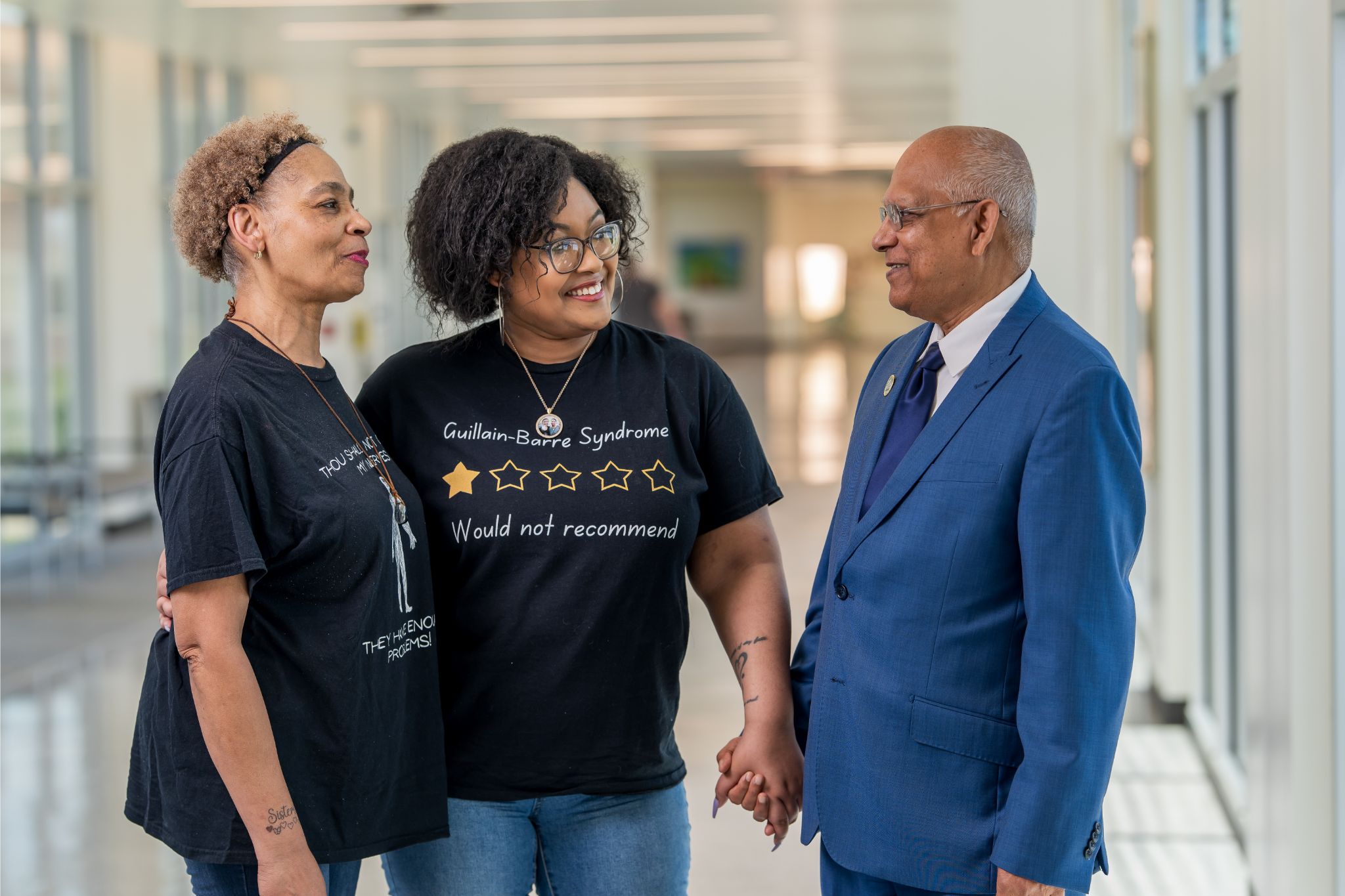
There are two important things Yuniquie Robinson shares with others about her journey with Guillain-Barré syndrome, a rare neurological disorder. First, she reminds everyone that self-advocacy in a medical space is critical. The second is to go straight to UTMB for help.

UTMB is reviving its breast cancer support group, “Reconstruction of a Survivor,” to help patients and families find strength through shared experiences. Led by LCSW Bridget Simonin, the group offers emotional support, resources, and community for those navigating breast cancer.
Now is the perfect time of year to get your flu shot, experts agree. "The advice has been similar for many years, and really the best time to get the flu shot is before the end of October," Dr. Megan Berman tells TODAY. "It's corny, but I tell my patients, 'flu before boo,'" Berman added.
Research by UTMB’s Dr. Isabella Faria and colleagues found that children with acute uncomplicated appendicitis (UA) treated with antibiotics alone faced significantly higher risks of treatment failure and serious complications within a year compared with those who underwent appendectomy. "What we're seeing now is that, as the volume and quality of evidence increase, a clearer signal is emerging: nonoperative management is associated with higher failure rates and more complications," Faria told MedPage Today.

UTMB Pediatric Urologist Dr. Jonathan Gerber spoke with Houston Moms host Meagan Clanahan, covering topics like circumcision, bedwetting, and other common urological issues in children. Get expert insights and practical advice every parent should hear.
.jpg?sfvrsn=f9cb9355_1 "CTSA image(2)")
The University of Texas Medical Branch has been awarded a seven-year, $29 million Clinical and Translational Science Award (CTSA) from the National Institutes of Health’s National Center for Advancing Translational Sciences (NCATS) to establish and lead the new Greater Gulf Coast Translational Science Alliance (GGCTSA).
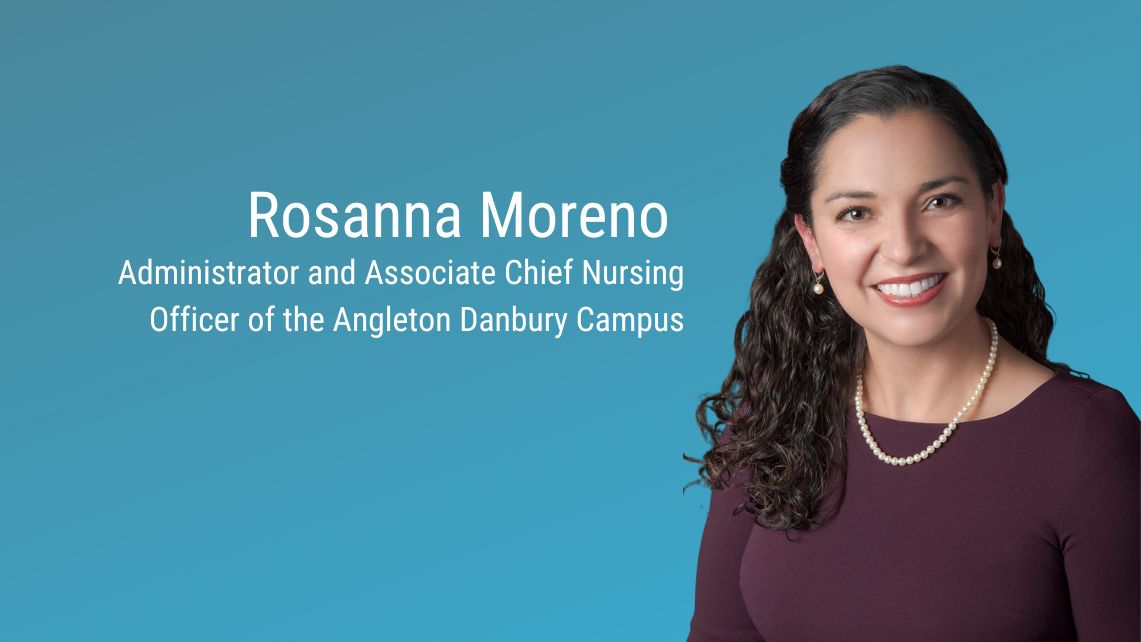
UTMB Health is proud to welcome Rosanna Moreno as the new Administrator and Associate Chief Nursing Officer (ACNO) of the Angleton Danbury Campus, where she officially began her role on Sept. 2, 2025.