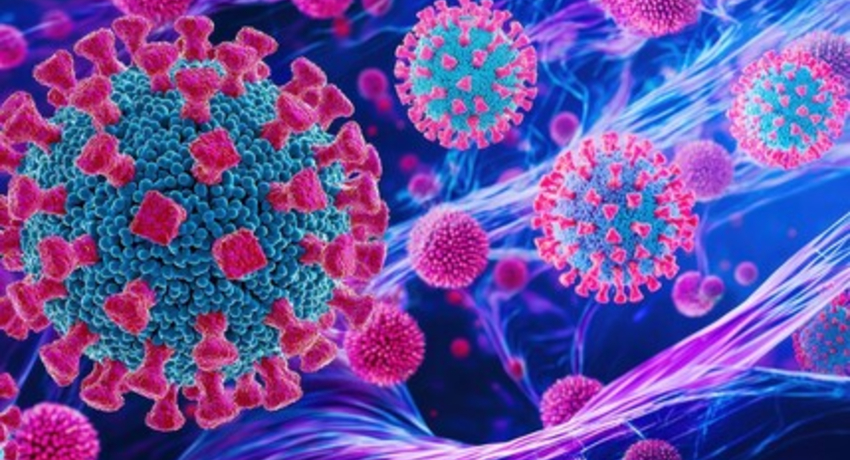
UTMB scientists identified two SARS-CoV-2 proteins that suppress early immune defenses, advancing understanding of COVID-19 infection and informing future antiviral and vaccine strategies.
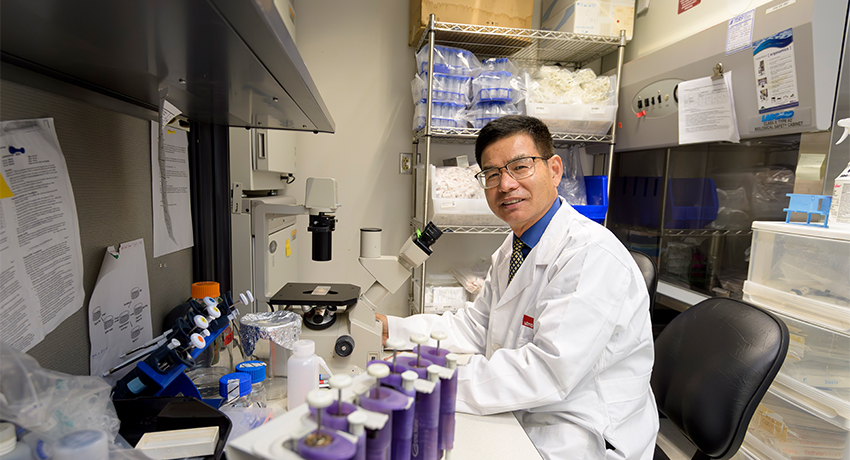
Researchers are increasingly linking age-related changes in the intestinal microbiome to chronic inflammation, liver dysfunction, and higher cancer risk, suggesting gut health plays a key role in long-term disease prevention.
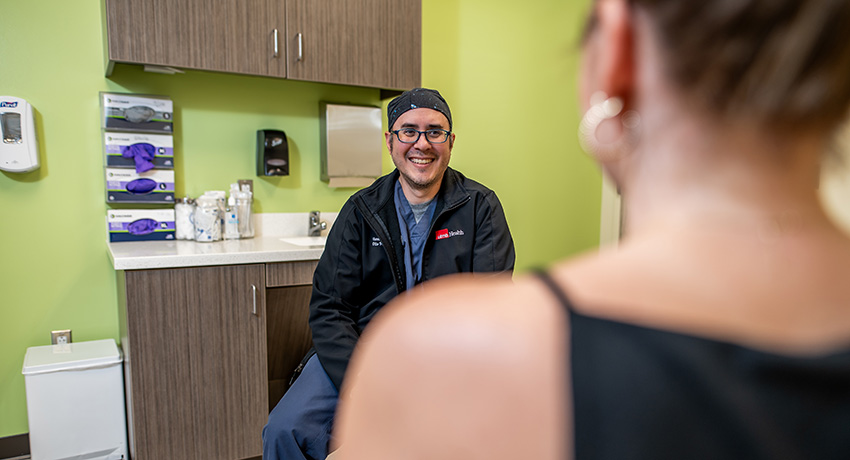
Preventive women’s health care isn’t just about annual checklists, it’s about catching concerns early and building care that lasts a lifetime. UTMB Health doctors explain why the appointments women delay may matter most.
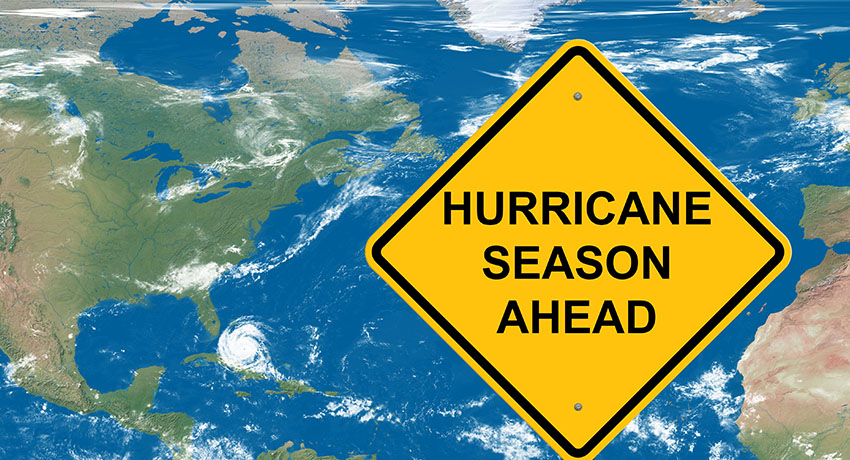
Hurricane season on the Texas Gulf Coast is inevitable, making early and consistent preparation essential to reduce risks. UTMB emergency preparedness experts emphasize that even in quieter years, a single storm can cause major damage, so residents should plan ahead, build emergency kits, secure property and stay informed throughout the season.
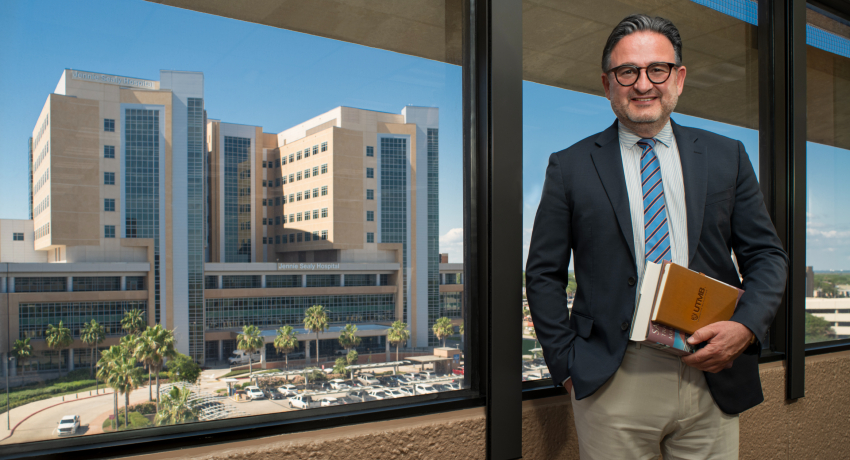
From bold innovation to measurable impact, Jochen Reiser, MD, PhD, at UTMB is redefining what leadership looks like in modern healthcare. Learn why The Galveston County Daily News named him Business Person of the Year.
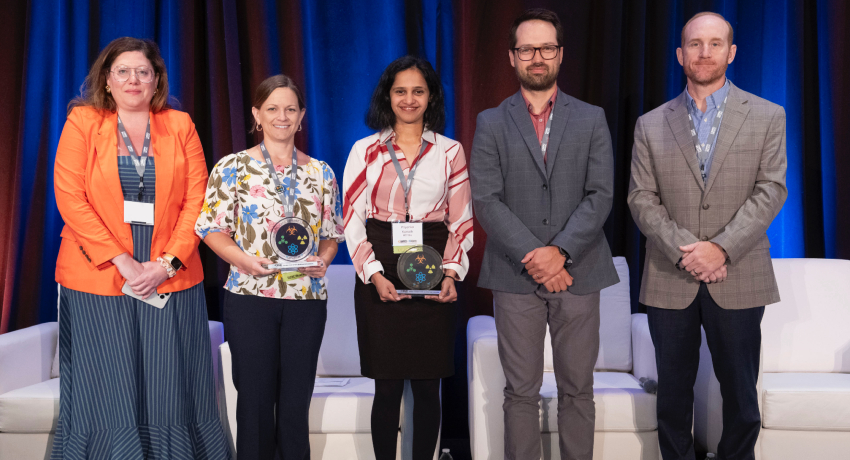
The university’s infectious disease researchers helped generate preclinical data that moved the vaccine into FDA cleared Phase 1 trials, earning national recognition for their role in a multiagency effort to counter a growing global health threat.
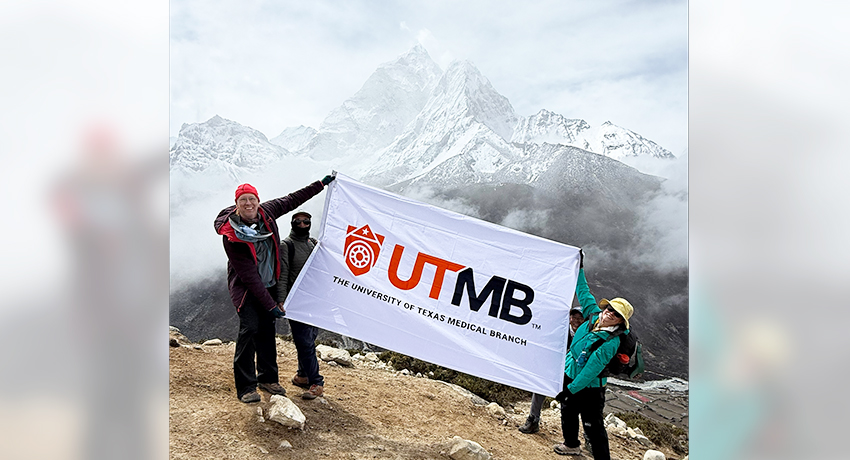
Having scaled five of the renowned Seven Summits, Dr. Harold Pine, UTMB Health pediatric ENT, plans to attempt the tallest one, Mount Everest, in 2027. But first, he will embark on a Mount Everest medical mission this month, providing round-the-clock medical care for conditions such as altitude-related illnesses, frostbite, and injuries.
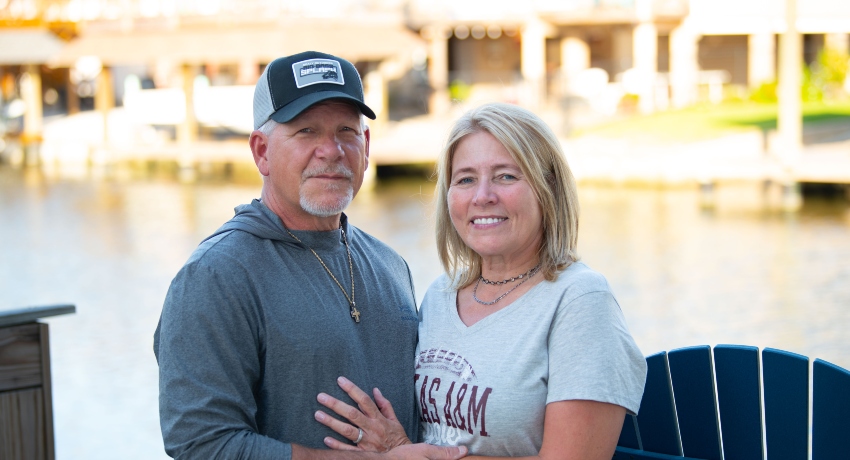
Blaine Pogue suffered sudden cardiac arrest during a gym workout in Dickinson, and a rapid “chain of survival" — including bystander CPR, EMS response, and emergency care at UTMB Health — kept him alive after 34 minutes without a pulse. Despite low odds of survival, swift defibrillation, continuous resuscitation, and advanced hospital treatment restored his heartbeat, allowing him to recover.
.jpg?sfvrsn=8da4d154_1 "Max Wintermark, Chair of the Department of Radiology at the UTMB John Sealy School of Medicine (JSSOM)")
A collaborative team of researchers from The University of Texas Medical Branch (UTMB) and Stanford University has published an article in Nature Mental Health showing how MRI can guide treatment decisions for patients with depression. The precision medicine approach doubles the success rate of initial treatment.
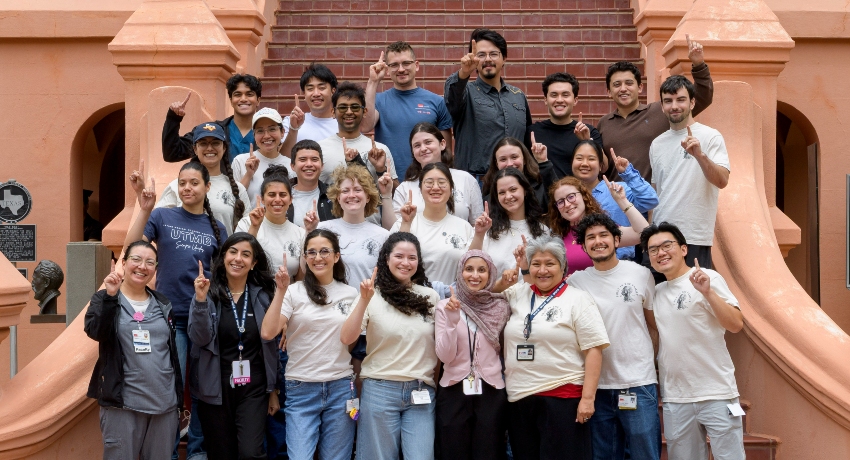
For first-generation medical students, earning a white coat represents not only years of hard work, but also breaking new ground for their families and expanding what feels possible for those who follow. At UTMB, students like Ronaldo Tijerina and mentors like Dr. Mahwish Khan are building a supportive community that helps first-in-family students navigate challenges, find mentorship, and turn personal experiences into purpose-driven careers.
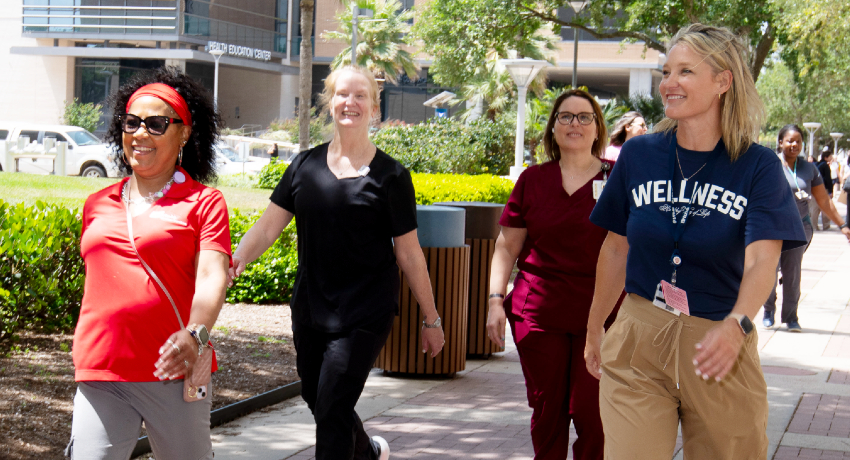
Julie Griffith, UTMB director of wellness for the academic enterprise, is reshaping workplace wellness — making healthy living accessible, social, and sustainable for faculty, staff, and students.
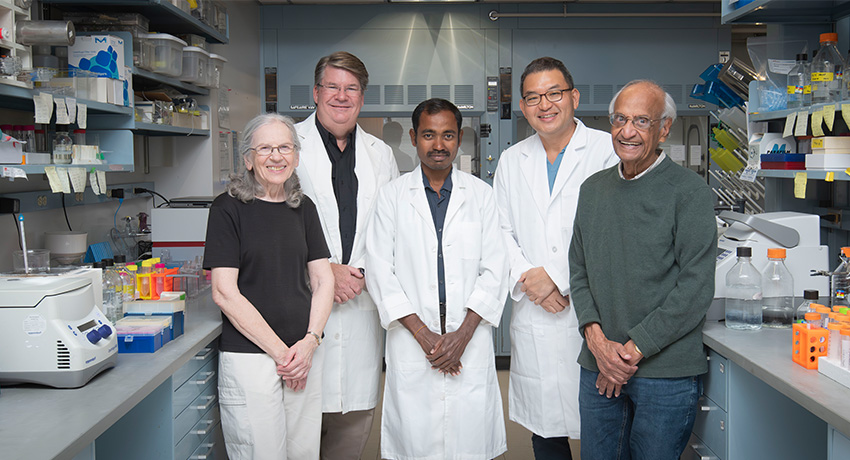
A new UTMB study reveals how the enzyme ATR prevents chromosomes from breaking when DNA replication hits damaged roadblocks.
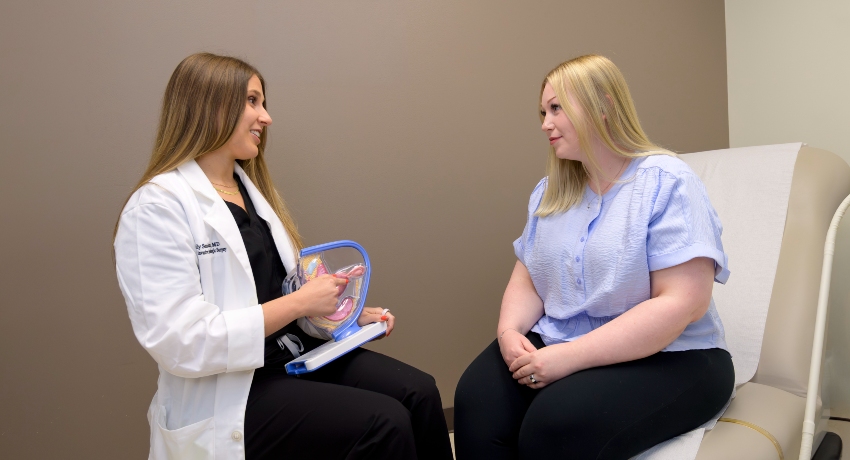
Jules Meadows endured years of debilitating, unexplained menstrual pain beginning at age 8, facing repeated dismissal from doctors before finally being diagnosed with Stage 4 endometriosis in her early 20s. After surgery and ongoing treatment, her symptoms have significantly improved, and she now advocates for awareness and earlier diagnosis of the often-overlooked condition.

UTMB pediatric surgeon Dr. Bindi Naik‑Mathuria is leading a CDC‑funded, youth‑driven program to prevent firearm violence among middle school–aged children. The Rise Up! initiative engages young people as peer messengers to address community violence early.
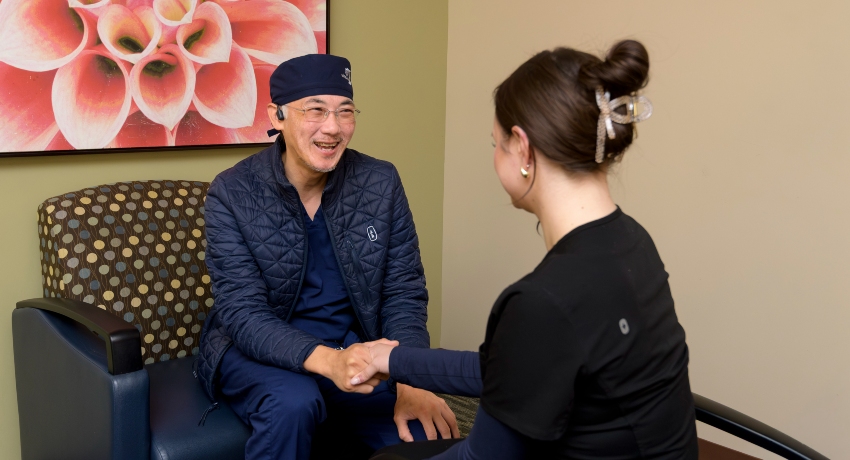
Hormone replacement therapy can be life-changing for women navigating menopause, but it isn’t a one-size-fits-all solution. UTMB expert Dr. Truong Nguyen explains how personalized care, risk assessment, and evolving guidance are helping women make informed choices about HRT.
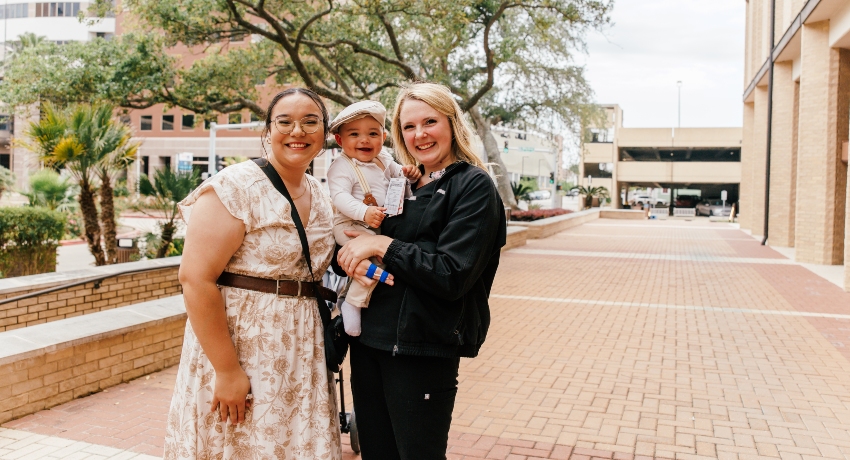
About 50 families returned to UTMB Health for the 20th annual Preemie Reunion Prom, celebrating the growth and resilience of children who once began life in the NICU under uncertain conditions. The emotional event reunited families with caregivers, highlighting lasting bonds and the life-changing impact of neonatal care.
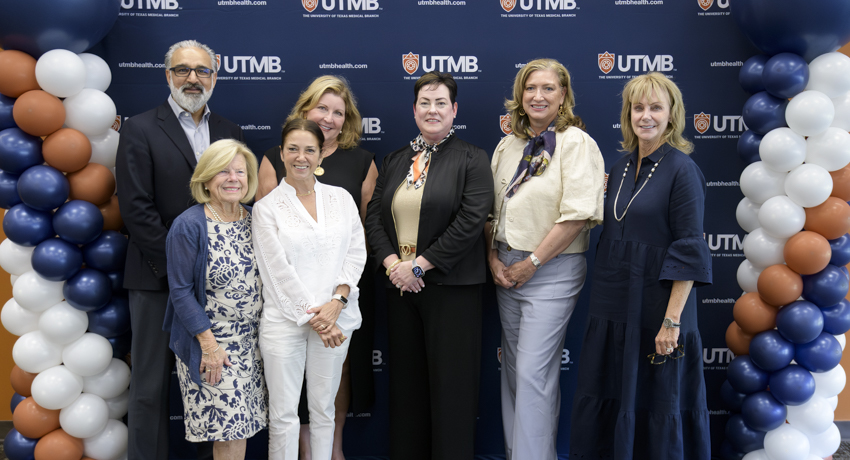
A $4 million gift from the Sealy & Smith Foundation to UTMB is launching the ISLAND Promise, a program that covers tuition, housing, and living support for nursing students while creating a direct pathway into high-need roles at UTMB Health. In exchange for a two-year work commitment after graduation, the initiative aims to reduce financial barriers, expand access to nursing education and strengthen the long-term workforce pipeline.
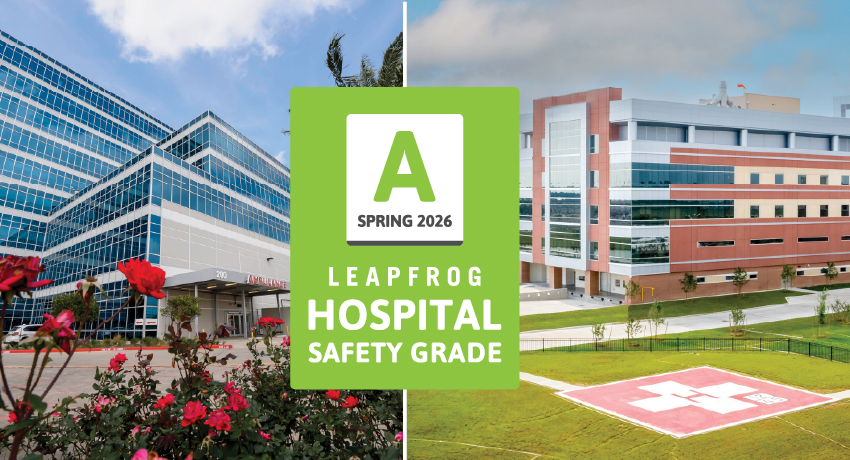
Both the UTMB Health Clear Lake Hospital Campus and League City Hospital Campus received an “A” Hospital Safety Grade from The Leapfrog Group, the highest rating for patient safety in the nation.
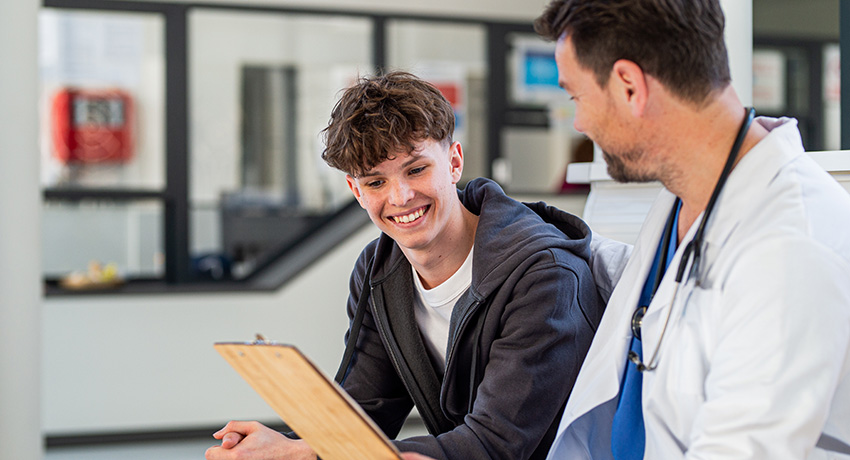
Sports physicals don’t have to be a last‑minute scramble. Learn when to schedule, what to expect, and how a simple visit can help keep your child safe, confident, and ready for the season ahead.
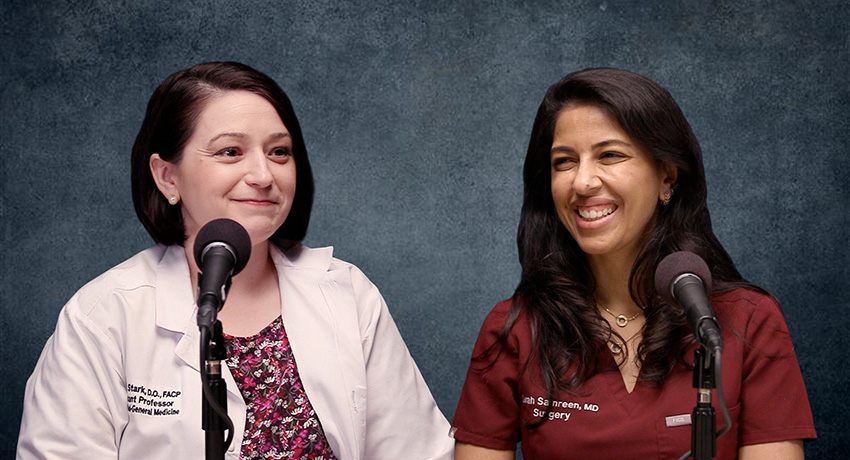
Weight loss success isn’t built in a clinic, or an operating room, alone. Drs. Samreen, Stark, and primary care leader Angela Raimer explain why a strong primary care relationship is the foundation of safe, sustainable weight loss—before, during, and long after treatment.