What’s the secret to becoming a centenarian? Drs. Norbert Herzog and David Niesel write in their recent Medical Discovery News column about many factors including a new report from Japan that centenarians have unique gut microbiomes that reduce their risk for chronic diseases and infections.
Injuries are the leading cause of death in school-aged children, Dr. Sally Robinson writes in her recent column. Having a plan in case of a power outage or fire is essential. “Fire alarms are loud, but it’s helpful for all to recognize the sound and know what to do,” she writes. “Practice what you and your child would do if you had a fire.”
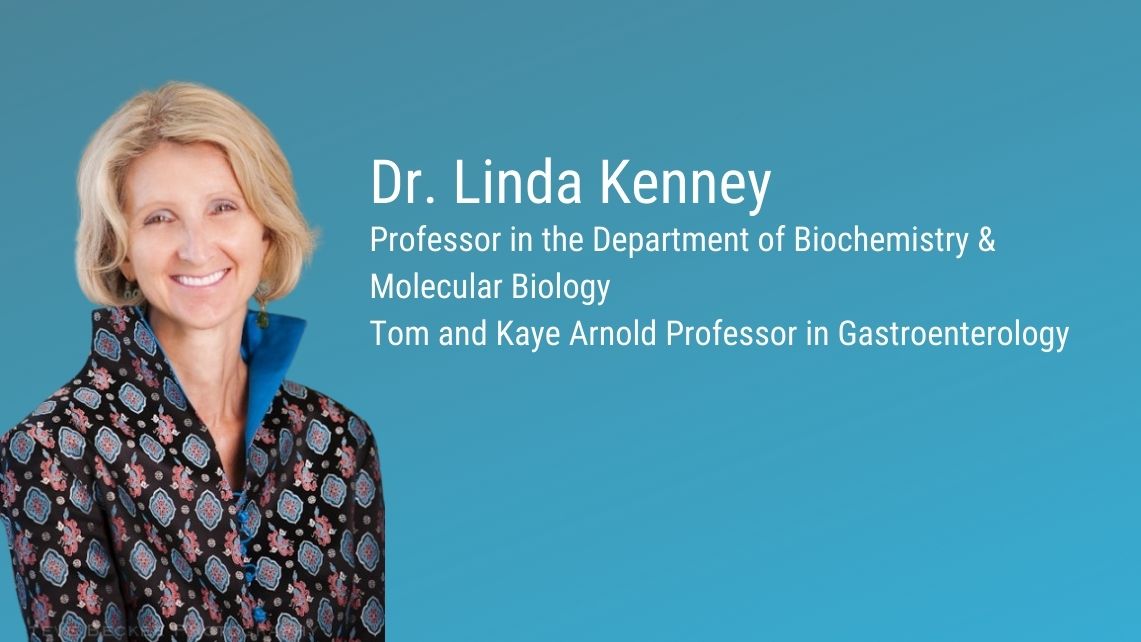
The American Association for the Advancement of Science (AAAS) has elected Dr. Linda Kenney from the University of Texas Medical Branch (UTMB) to the newest class of AAAS Fellows, considered one of the most distinct honors within the scientific community. Kenney, a bacteriologist at UTMB, is a professor of Biochemistry and Molecular Biology and is the Tom and Kaye Arnold Professor in Gastroenterology at UTMB.
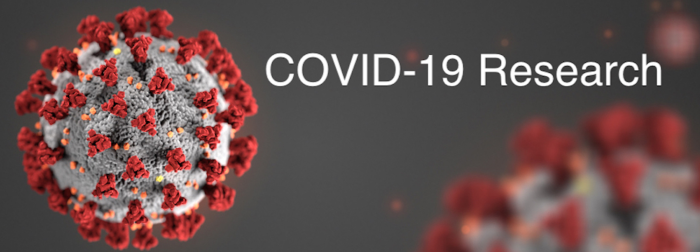
Researchers at the University of Texas Medical Branch have developed a method to detect regionally emerging COVID-19 variants that could guide treatment and vaccine design.

UTMB Health offers a relatively new therapy for adults with sleep apnea called Inspire, which stimulates the airway muscles, helping prevent airway obstruction during sleep.
Scientists don’t yet know why omicron spreads so fast, but they have ideas. The first, explained Vineet Menachery, a microbiologist and immunologist who studies coronaviruses at the University of Texas Medical Branch, is that some of the mutations in the spike protein allow the virus to escape existing immunity from vaccination or an infection. “It’s different enough that your antibodies don’t recognize it,” he said. That means the virus has a larger pool of people vulnerable to infection. How well do vaccines protect against omicron? “The data argues that if you’re vaccinated twice and boosted, that’s the highest level of protection that you can get,” Menachery said.
A COVID-19 vaccine that targets the omicron variant will be ready in March 2022. While it could be an important line of defense, some experts are unsure if the timing of distribution would match public needs. “Is this too late? When it’s established with the modified omicron vaccine, will the omicron [surge] be already over, peaked out? We don't know,” said Dr. Pei-Yong Shi, distinguished chair in innovations in molecular biology at the University of Texas Medical Branch. Although omicron case rates are falling in some regions, a variant-specific vaccine wouldn’t be out of the question. Pfizer is manufacturing the new vaccine at risk since it has yet to be approved or authorized by health authorities, but the process is necessary, Shi said. “For pandemic preparedness, these exercises are definitely needed,” he said.
In the new year, the demand for vaccinations has ground to a near halt, said Dr. Philip Keiser, Galveston County’s local health authority. “We pretty much hit a wall a couple of weeks ago,” Keiser said Thursday. As of Wednesday, 198,475 people, about 58 percent of the county’s population, had received at least two doses of the Moderna or Pfizer vaccines or a single dose of the Johnson & Johnson vaccine, according to the Texas Department of State Health Services. Of those, 75,951 had received booster doses.
Dr. Philip Keiser, chair of the UTMB COVID-19 Vaccination Task Force and Galveston County Health Authority, and Dr. Janak Patel, director of UTMB Infection Control and Healthcare Epidemiology, appeared on the Jan. 19 edition of Health Care Unmasked. Drs. Patel and Keiser addressed the latest information on the omicron variant during the hour-long Facebook Live interview.
The drive-through testing site will be open from 11 a.m. to 3 p.m. Tuesday through Friday at the Galveston County Health District, 9850 Emmett F. Lowry Expressway. Appointments are required for the tests, which will be administered and processed through the University of Texas Medical Branch.
Sexually transmitted diseases hit another record high in the United States and among them are chlamydia, gonorrhea and syphilis, increasing for the fifth straight year. In their regular Medical Discovery News column, Drs. Norbert Herzog and David Niesel report that in 2018, there were nearly 2.5 million cases, the highest combined number ever documented. The pandemic is also likely leading people to delay or skip STD testing and treatment, so some may never know they have a gonorrhea infection.
People who have violent relationships as teens are more likely to have them as adults, an article in the Australian online magazine explained. Dr. Jeff Temple, an expert on teen dating violence at the University of Texas Medical Branch, studies teaching youth about building healthy relationships in a school-based program. In the program, students build relationship skills through role playing. “Practice is huge for when they get into that situation in real life,” Temple said. “What the research tells us is that kids who are able to resolve conflicts and manage their emotions are less likely to be in violent relationships later on.”
Few things strike fear into the hearts of new parents as does respiratory syncytial virus (RSV). This is understandable as it’s the leading cause of hospitalization among infants in the United States. In the latest Vaccine Smarts column, Drs. Megan Berman and Richard Rupp explained how investigational vaccines target the RSV fusion protein that allows it to enter human cells, similar to the spike protein of COVID-19.
Drs. Victor Sierpina and Michelle Sierpina wrote about how lifelong learning is crucial to healthy aging. Keeping the mind and body active through activities that encourage curiosity, social and community involvement and personal growth promote a richer life. “The University of Texas Medical Branch is fortunate to have the Osher Lifelong Learning Institute, led by the other doctor in the family, Michelle Sierpina, Ph.D., who has focused her efforts, scholarly activity and career on empowering healthy aging. It’s a place to go to prevent letting the old man in, or the old woman either.”
The University of Texas Medical Branch (UTMB) named Dr. Melinda Sheffield-Moore as senior vice president and dean of the Graduate School of Biomedical Sciences.
There are limits to how much we can infer about human disease from experiments on tissue cultures and lab animals, said Dr. Vineet Menachery, a virologist at the University of Texas Medical Branch. Specific mutations in omicron’s spike protein, the structure the virus uses to attach to and enter cells, may help explain why the variant spreads so easily. “If it’s better at infecting cells, then the expectation is that it’s better at transmission," Menachery said.
Dr. Shawn Nishi, a professor and program director of University of Texas Medical Branch’s pulmonary critical care unit, said all COVID-positive people in the hospital aren’t there because of COVID. About half were incidental diagnosis in people hospitalized for things other than COVID. While hospitalizations from COVID-19 are not as high as during previous surges, more hospital workers are getting sick from the highly contagious strain, Nishi said. “Our division had not really gotten sick until this variant hit,” she said. “It’s just super contagious. We’ve been so careful. But despite our best efforts, we’ve had people in our division going down.”
While the current COVID backslide has caused “PTSD” to enter many parents’ vernacular, technically speaking, that may not be what you’re experiencing. Dr. Jeff R. Temple, psychologist and professor at the University of Texas Medical Branch, adds that how “close” you are or were to the trauma may also impact your symptoms and the severity of them. “Someone who lost a loved one or they or their child was severely ill will likely be more anxious during this new wave of COVID, compared to someone who did not know anyone with COVID,” he said.
“Medical marijuana isn’t legal in Texas, and although my patients request it, we can only discuss pros and cons,” wrote Dr. Victor S. Sierpina, the WD and Laura Nell Nicholson Family Professor of Integrative Medicine and Professor of Family Medicine at UTMB. “Patients choosing medical cannabis treatment must seek it in one of our neighboring states like Oklahoma or Colorado where it’s available and legal, but interstate transportation is illegal by federal rules.”
Although no one knows the exact numbers, it’s estimated that between half a million and a million Allied soldiers in World War I suffered from Trench Fever. Today, Trench Fever cases are rare, but they’re making a bit of a comeback among the growing populations of homeless. Drs. Norbert Herzog and David Niesel, professors at the University of Texas Medical Branch, explain the condition in the latest Medical Discovery News column.