What UTMB Learned in the Wake of America's Deadliest Hurricane
In the days after the 1900 storm, Galveston's needs were immediate and overwhelming. Thousands had lost their lives in the storm and thousands more were injured or displaced. Infrastructure had collapsed. There was no formal disaster response system, no coordinated state or federal aid ready to deploy.
Into that vacuum, local institutions stepped forward. UTMB, then less than a decade old, was one of them.
From its red brick building on the east end of the island, UTMB became not only a center for care, but a living example of what medical response required in crisis: improvisation, endurance, leadership, and community trust.
Training Under Fire
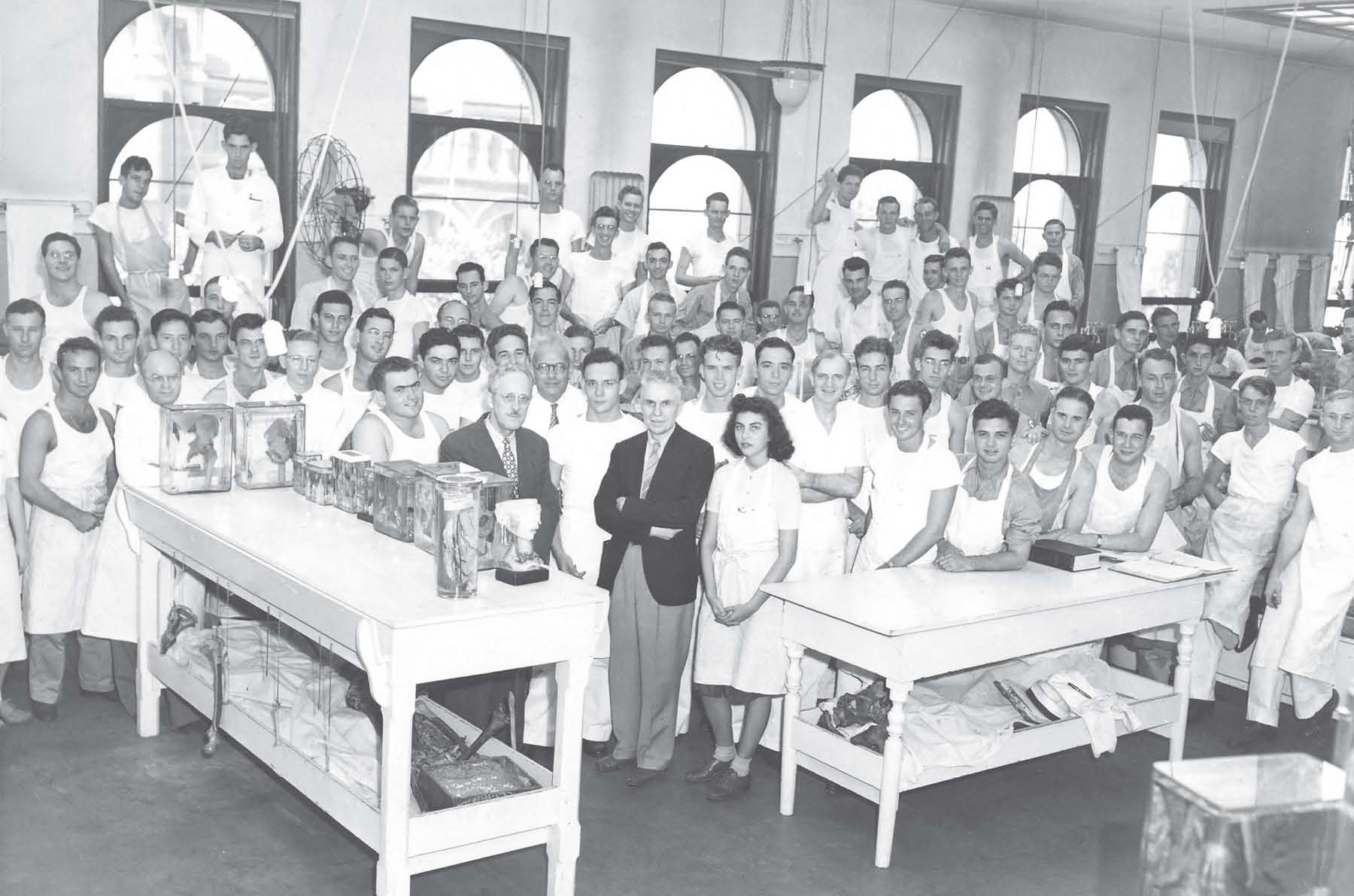
Medical education in 1900 was still evolving. Students learned in lecture halls and through clinical rotations, but most had never seen mass trauma. The storm changed that overnight. Students helped treat injuries with faculty supervision, triaged patients in crowded hallways, and learned how to work under extreme conditions.
What they lacked in resources, they made up for in adaptability; a quality still emphasized in modern medical training.
Public Health Realities
The aftermath also underscored the importance of public health systems. With the storm's victims exposed to the elements, risks of disease outbreaks were high. Clean water, food safety, and sanitation became as critical as surgeries or wound care. Public health decisions had to be made in real time to control the potential spread of illness.
UTMB physicians and students were part of those efforts, helping to lay the groundwork for future public health responses in Texas.
Infrastructure and Preparedness
While the hurricane exposed the city's vulnerability, it also led to systemic changes. Galveston's elevation was raised, the seawall was built, and building codes were strengthened. UTMB, too, reinforced its physical and operational preparedness. A year after the storm, Dr. James Edwin Thompson, UTMB Professor of Surgery, summarized the effects of the storm on the university.
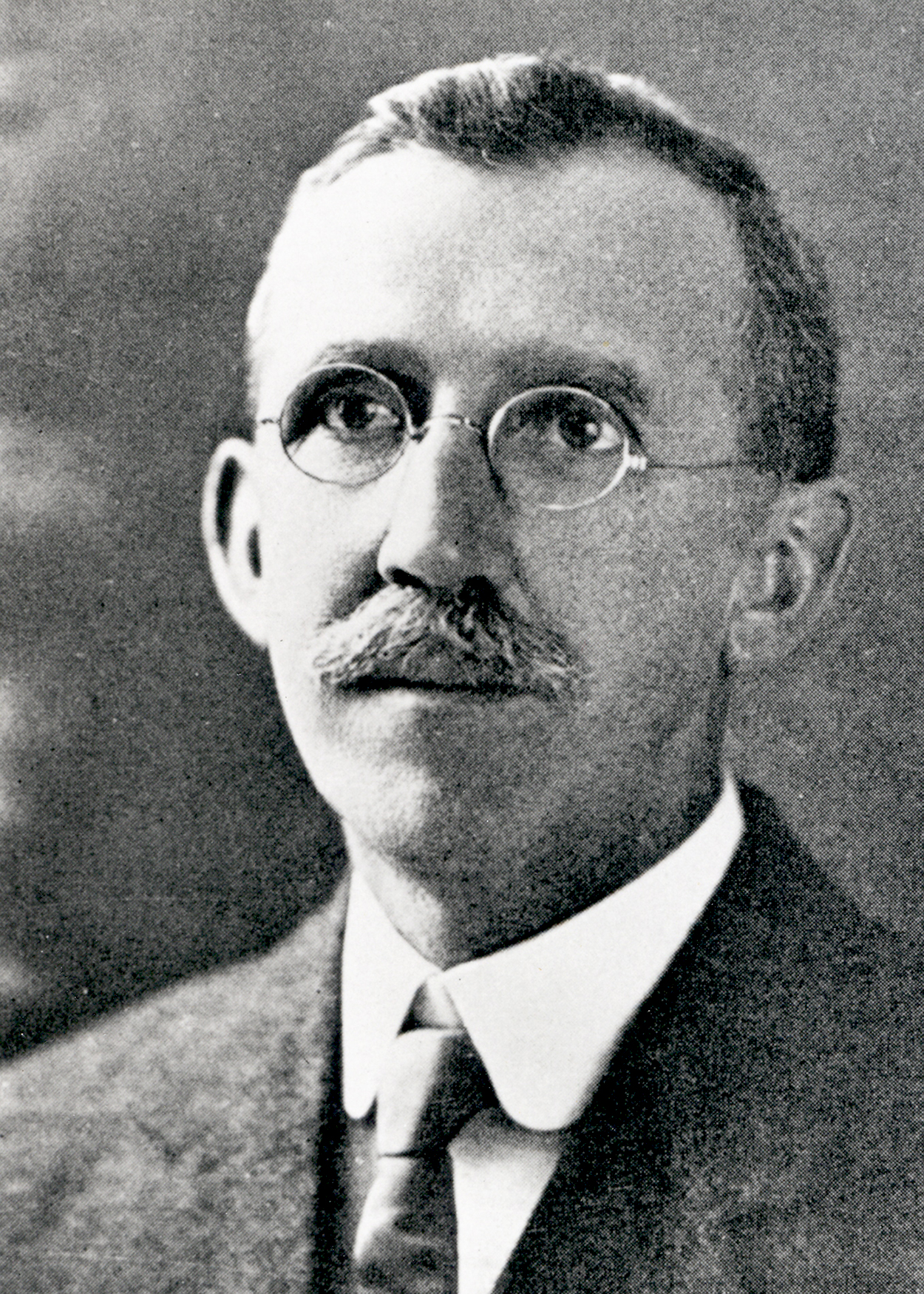
“Like a phoenix rising from its fire, the institution has arisen from the wreckage... the school today begins its second decade of existence better and more fully equipped in a material sense and full of the past decade's growth, calm in the reliance which triumph of difficulties and danger ever brings... to stay while Texas stands.”
When another major storm struck the island over a century later, Hurricane Ike in 2008, UTMB continued operations with far more planning and infrastructure in place. That legacy of resilience traces back to 1900.
The Lesson That Endures
Perhaps the most enduring lesson was that medicine cannot afford to pause, even in a disaster. The storm destroyed the city, but it didn't stop the work of healing. Students became caregivers, classrooms became triage centers. UTMB found a way forward, not because it was ready, but because it had to be.
Today, UTMB trains physicians, nurses, and researchers in an era shaped by climate change, pandemics, and large-scale emergencies. The context is different, but the core lesson is the same: medicine must be ready to respond, even when nothing goes according to plan.
125 years later, the 1900 storm still reminds us that healthcare is not just about knowledge or tools, it's about showing up when it matters most.
Photo credits: excerpts from The University of Texas Record, Sept. 1900 – UTMB Blocker Library