Every winter, the chill sweeping across Galveston carries more than brisk air, it carries the familiar wave of respiratory viruses. For more than a century, the University of Texas Medical Department (UTMD), the state’s first public medical school, has quietly stood on the frontlines of understanding these invisible threats, studying influenza and viral infections long before the world called them pandemics. Today, as UTMB John Sealy School of Medicine, that legacy continues.
This story is part of Pioneers in Research, highlighting the people, patterns, and discoveries that shaped UTMB’s scientific legacy.
Observing the Invisible
Long before the word “virus” carried meaning, faculty in UTMD’s Department of Pathology were observing winter outbreaks of “grippe” (influenza) and pneumonia. They examined lung tissue, tracked patterns across Galveston, and recorded the ebb and flow of illness from season to season.
Without microscopes or molecular tools, they relied on careful observation and a city that became a living laboratory. Each winter brought new cases, new questions, and new insights, quietly laying the foundation for modern virology at the school.
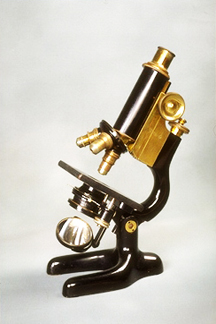
From Microscope to Manuscript
By the 1930s, the medical school’s laboratories were cultivating influenza viruses and studying how they spread. Faculty and students cultured viruses, analyzed patterns of transmission, and shared their findings in national journals, training a generation of physicians to see viral disease as both a medical and public health challenge.
Winter became more than a season; it became a crucial window for observation. Long nights at the microscope, meticulous lab notes, and patient interactions formed the backbone of a research culture that prized precision, patience, and persistence.
A Coastal Hub for Infectious Disease
As the University of Texas Medical Department expanded its infectious-disease programs through the mid-20th century, researchers turned their attention beyond influenza, studying adenoviruses, RSV, and other respiratory pathogens. Each surge of illness offered new questions, new insights, and new opportunities to track vaccine responses.
Faculty collaborated with state and national agencies, including the CDC, transforming local observations into part of a national effort to understand and control viral epidemics. In the quiet of winter, UTMD became a hub of careful, persistent work, contributing to discoveries that mattered far beyond Galveston.
Tools for a New Era
By the 2000s, as the school had become UTMB John Sealy School of Medicine, advanced virology labs and the opening of the Galveston National Laboratory gave researchers the ability to study high-risk pathogens safely. They explored influenza mutations, antiviral therapies, and vaccine responses. Yet even with these innovations, winter remained the prime season; the months when circulating viruses offered the richest data and the clearest insights into human immunity.
Winter Lessons in a Pandemic
When COVID-19 swept across the globe, UTMB’s century-long tradition of winter viral research became urgently relevant. Faculty studied SARS-CoV-2 alongside influenza, exploring how viruses interact, how immune systems respond, and how communities can protect themselves. Generations of winter observations guided response strategies, both locally in Galveston and nationally.
A Legacy Written in Winter
Unlike headline-grabbing discoveries, much of UTMB’s influenza and viral research is subtle: a patient sample collected on a frigid morning, a lab notebook meticulously maintained, a manuscript slowly drafted after long nights in the lab.
It is a legacy of patience, rigor, and quiet determination, passed down through generations of researchers. Each winter, as respiratory viruses return, that work continues, largely unseen, yet vital to the health of countless communities.
UTMB’s winter warriors may not make headlines, but for more than a century, they have ensured that knowledge, preparedness, and science move quietly forward, one winter at a time.