In 1949, 23-year-old veteran Herman Aladdin Barnett III enrolled at the University of Texas Medical Branch in Galveston and quietly changed the course of medical education in Texas. When he entered UTMB School of Medicine, he became the first African American student admitted to a Texas medical school.
His story, and the stories that followed, mark important chapters in the history of UTMB School of Medicine and its gradual transformation in medical education, research, and leadership.
This story is part of Pioneers in Medicine, an ongoing series honoring the individuals who shaped UTMB John Sealy school of Medicine’s path through courage, scholarship, and unwavering determination.
A First for Texas Medical Education
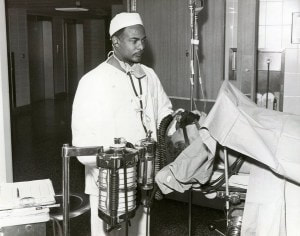
Born in Austin in 1926, Barnett joined the Tuskegee Airman, the nation’s first African American military aviators, serving with distinction during World War II before pursuing higher education. After earning his undergraduate degree with honors, he applied to medical school at a time when Texas institutions remained segregated and African American students were excluded.
In 1949, UTMB admitted Barnett to the School of Medicine. His enrollment made him the first African American student accepted to a medical school in Texas, marking a turning point, not only for the institution but for medical education across Texas.
Barnett completed his medical education during the final years of legally enforced segregation. While he later acknowledged the discrimination he encountered, he remained focused on his training. In 1953, he graduated cum laude from UTMB School of Medicine, becoming the first African American to earn a medical degree from a Texas medical school.
The milestone represented more than an individual accomplishment. It marked the beginning of a new era at UTMB School of Medicine and for medical education in the state.
From Student to Leader
Following graduation, Barnett remained at UTMB for his internship and surgical residency. He later completed additional residency training in anesthesiology and established a respected practice in Houston as both a surgeon and anesthesiologist.
His influence extended beyond clinical care. In 1968, he became the first African American appointed to the Texas State Board of Medical Examiners, the body responsible for licensing and regulating physicians statewide. His appointment reflected both professional achievement and the gradual dismantling of barriers within the profession.
Dr. Barnett often expressed hope that one day it would no longer be noteworthy for someone to be identified as the first African American in any role. He believed that opportunity in medicine should be expected, not an exception.
In 1973, at age 47, Barnett died in a plane crash. UTMB School of Medicine honored him with the school’s highest alumnus award, the Ashbel Smith Distinguished Alumnus Award. His legacy continues to be celebrated through the Herman A. Barnett Memorial Award, presented annually to outstanding medical students.
Advancing Science and Scholarship
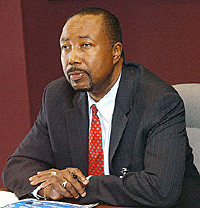 As UTMB School of Medicine evolved in the decades following Barnett’s graduation, African American faculty and scholars helped shape its academic and scientific reputation.
Dr. Clifford Wayne Houston joined UTMB in 1981 as a faculty member in microbiology and immunology within the School of Medicine. Over the course of his career, he became a full professor and conducted significant research on bacterial toxins and mechanisms of infectious disease. His work contributed to broader scientific understanding of how pathogens cause illness and informed the field of microbiology.
Dr. Houston also served in leadership roles at UTMB, including Associate Vice President for Educational Outreach and Diversity, helping expand educational pathways in the biomedical sciences.
In 2006, he became the first African American president of the American Society for Microbiology, the world’s largest professional organization for microbiologists. His election reflected both scientific achievement and national leadership emerging from UTMB’s academic community.
A Growing Legacy
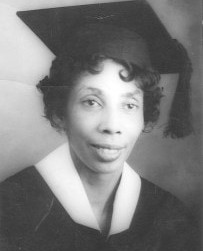
The admission of Herman Barnett in 1949 did not immediately transform the institution. Change occurred over time, as additional students enrolled, graduated, and pursued careers in medicine and research. Each class reflected incremental progress toward broader representation in the physician workforce.
The movement toward expanded access at UTMB extended beyond the School of Medicine in later years, including historic milestones within the School of Nursing. In 1960, Wilina Garner Mitchell Gatson became the first African American woman to graduate from UTMB’s Bachelor of Science Nursing program. Together, these developments reflected broader institutional changes in health professions education.
Within the School of Medicine, however, the turning point began with Barnett’s enrollment and graduation. His presence opened the door for the scholars and physicians who followed to expand the possibilities of the medical profession.
The Story Continues
Today, UTMB John Sealy School of Medicine trains physicians and scientists from a wide range of backgrounds. The range of experiences and perspectives seen in classrooms, clinics, and laboratories reflects decades of change built on the courage of those who entered when entry was not guaranteed. Herman Barnett did not seek to be a symbol; he sought to become a physician. Clifford Houston did not pursue recognition; he pursued discovery.
The history of Black students and faculty at UTMB John Sealy School of Medicine is not only a story of firsts; it is also a story of sustained excellence. From the first student admitted, to the first graduate, to faculty whose research and leadership gained national recognition, each milestone contributed to reshaping the institution.
Progress in medicine is measured not only in discoveries and degrees, but also in who has access to pursue them. At UTMB John Sealy School of Medicine, that progress began in 1949 and continues today.