We have grown used to thinking about, hearing about, warnings about the ozone layer, and about outdoor air pollution. We know that it is dangerous for everyone but particularly dangerous for children and those with lung problems.
However, the air inside homes, schools, and other indoor spaces also matters. Kids spend about 90% of their time indoors so the air they breathe indoors can have a big impact on their health.
Healthychildren.org has an article by Dr. Lauren Zajac on tips for healthier breathing at home. Levels of some pollutants can be 2-5 times higher indoors. Children’s lungs are more sensitive to smoke, chemicals, dust, and other pollutants. One reason is that children breathe nearly twice as fast as adults, drawing in more of these pollutants relative to their body weight. Studies have shown that poor indoor air quality is associated with more colds, coughs, bronchitis, and pneumonia. It can cause flare ups of asthma. Pollutants can also interfere with the normal development of the lungs and growing brains and have been associated with learning and memory problems.
The worst unhealthy substances found in indoor air are tobacco and vape smoke. Cigarettes, cigars and pipes make children more vulnerable to every kind of respiratory problem. Unfortunately, it stays on furniture, skin and pet fur and can interfere with children’s breathing. Vapes release harmful chemicals that can also damage children’s lungs and other organs.
Another common source of indoor air pollution is wood-burning and gas burning systems which can release carbon monoxide. Carbon monoxide causes some 400 accidental deaths in the US each year. Wood smoke (forest fires) is especially dangerous for children since it has high levels of particulate material that irritates airways.
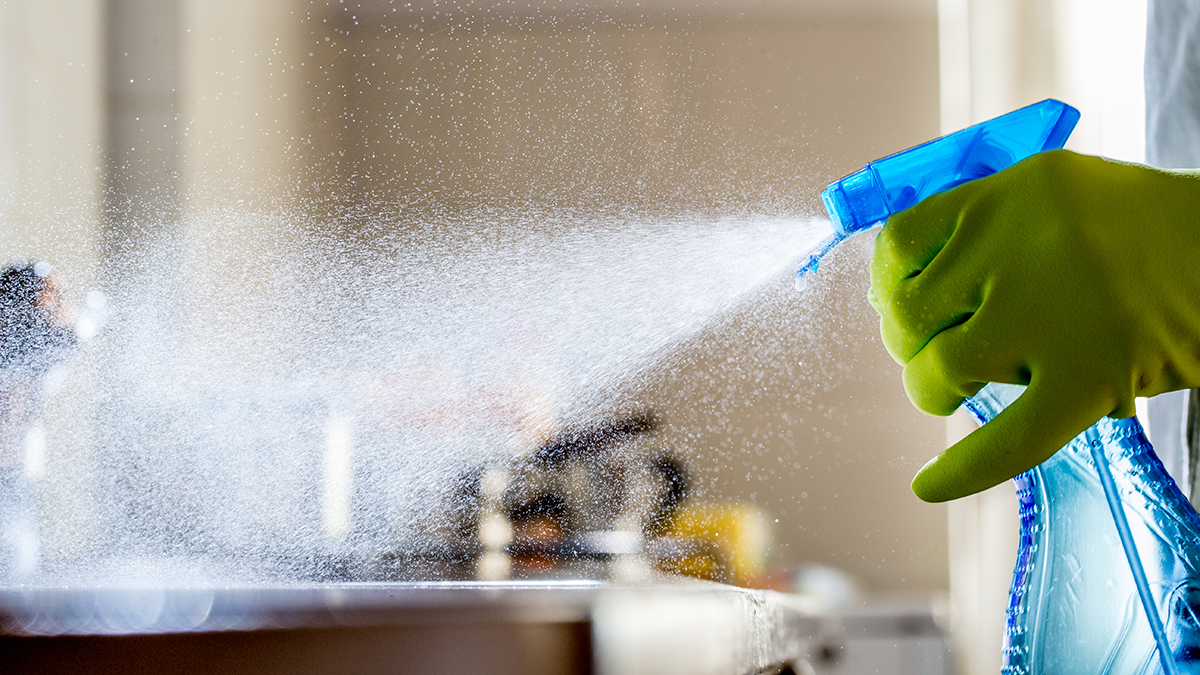
Other common air pollutants in homes, schools, day care centers, sports arenas and other public buildings are mold and mildew two common fungus which thrive in high-humidity areas, pet dander from furry or feathered friends, pests such as mice, rats and cockroaches, chemicals in home furnishing that makes them waterproof, stainproof or fire-resistant, organic compounds found in household cleaners, paints, glues and art supplies and many plastics and air fresheners and perfumes.
There are 3 keyways to protect children from pollution. First tackle it at the source by not smoking or vaping near a child, clean away dust and dander, keep your living area cool and dry (may need a dehumidifier), make sure vents ducts and other systems are working, install carbon monoxide and smoke alarms, avoid burning candles and other scented products indoors, use safer cleaning products such as vinegar-water, baking soda and bleach or “Safer Choice”, “Green Seal”, or “Design for the Environment”, use unscented laundry products, use safe pest control methods such as integrated pest management, and choose natural fabric/furnishing. Second is to filter and ventilate the air more. Watch the Air Quality Index, use a HEPA air purifier. And finally think about the other indoor air spaces children spend time in such as schools and help improve the air quality there.
By Sally Robinson, MD
Keeping Kids Healthy
University of Texas Medical Branch (UTMB)
Published May 2026