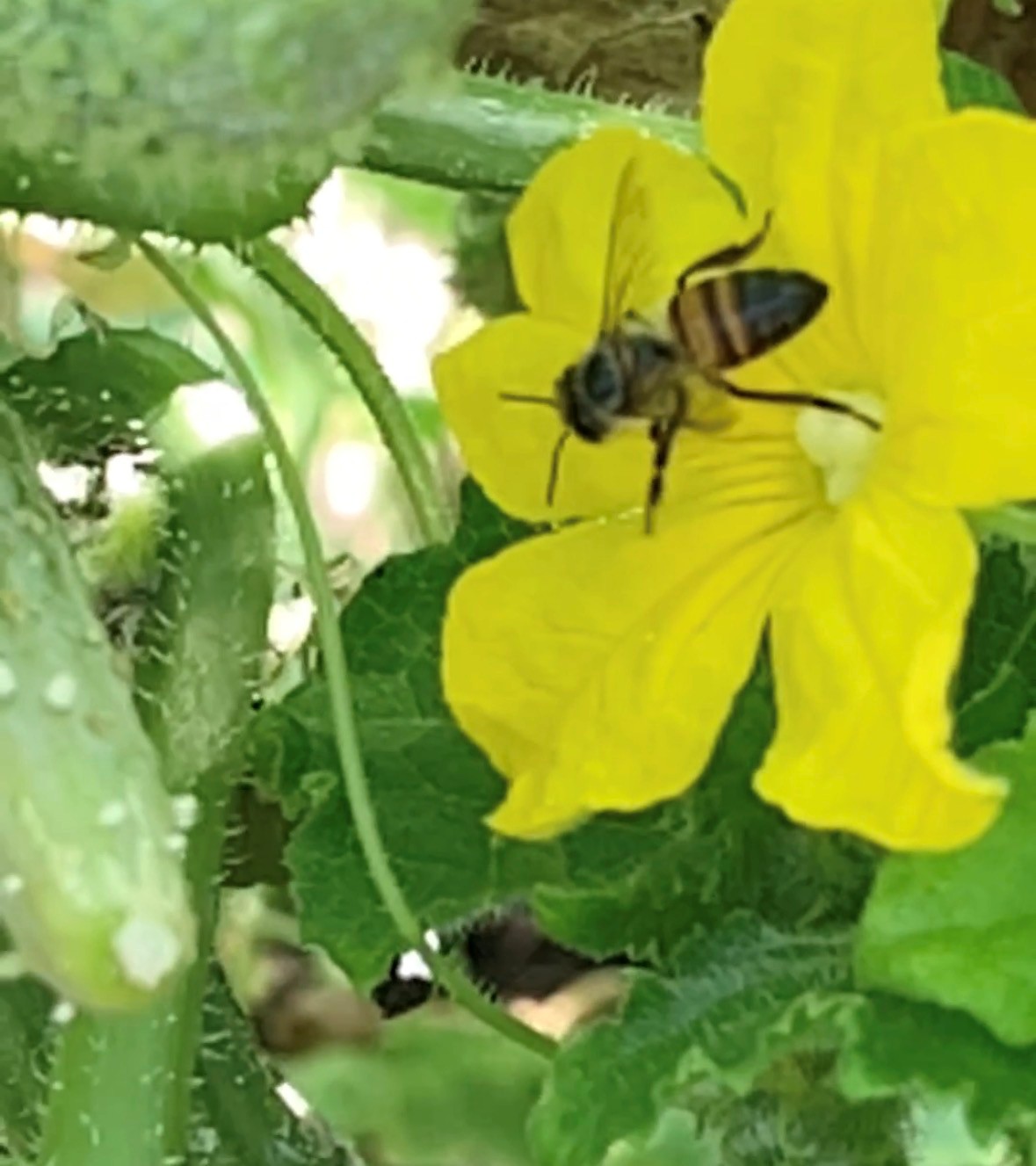
Many of us think of bugs as creepy, wiggly little things that can bite, sting, eat plants and, in general, are a nuisance. Even the word “bug” is used in negative ways. “I have a bug.” or “this bugs me”. Dangerous bugs in Galveston County are disease-carrying mosquitoes, venomous spiders (black widow, brown recluse), fleas (can carry Murine typhus) and painful stingers like fire ants and wasps.
The two greatest risks from insect stings and bites are allergic reactions or carried infections. If your child is bitten or stung by venomous stinger such as a bee the following tips will help.
- Gently scrap the area of the sting with a credit card to remove the venom sac without releasing more venom.
- Wash area with soap and water
- Apply a cold pack for a few minutes
- Apply a paste of baking soda and water for 15-20 minutes
- Give acetaminophen for pain
- Give over-the-counter antihistamine, if your doctor says OK
- If stung in the mouth or nose seek immediate medical attention.
Insect repellents can be used to keep biting insects away. Check the label on the insect repellents and choose a product containing between 10% and 30% DEET. DEET can be used on children over 2 months old. Apply repellents to exposed skin and clothing. Do not use under clothing or on raw or irritated skin. Never spray it on the face. Do not allow children to use repellent spray. Do not use near food. Apply the repellent to your hands first and then put on children. Do not spray in enclosed areas and avoid breathing the repellent.
If there is a large area of swelling, abnormal breathing, tightness in the throat, dizziness, rash/hives, fainting, or swelling, it may be an allergic reaction, and you should seek medical attention.
It is probably surprising that these creepy, wiggly bugs are part of the pollination of more than 90 million commercial crops and 20-30 billion dollars in agriculture revenue and are critical to keep US food supply stable. There are many pollinators besides honeybees, and their survival is also critical.
After intense research it has been found that honeybees have been infected with a mite that is resistant to the present anti-mite pesticide. More recently scientists have been able to breed honeybees that are resistant to mites. This incredible research may have saved the honeybee and protected the crops that need their help in pollination.
We live in incredible fast-moving times. Chemicals are being developed to fertilize plants, to protect them from insects, to make them bigger and prettier and to kill all sorts of weeds. What caregivers of children, parents, grandparents, doctors, lawyers and candlestick makers need to do is to ensure that the chemicals being made are not harmful to our children. We need a strong Environmental Protection Agency.
Sally Robinson MD
April 2026