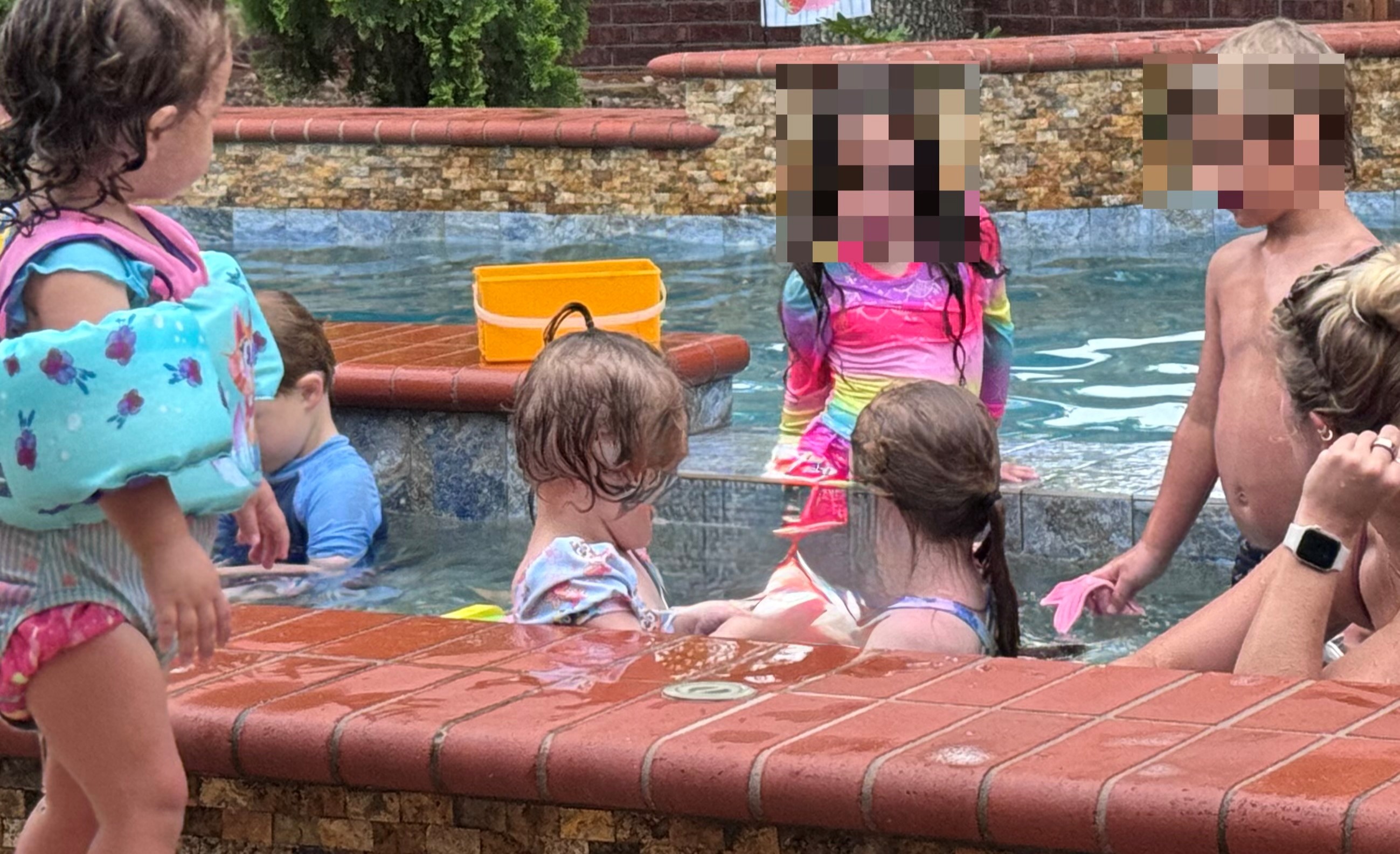
A friend is someone you know and have a bond of mutual affection. Social behavior, such as having mutual affection, appears across various species from mammalian families to highly structured insect colonies. That is not to say that bees have mutual affection but they each have roles that benefit other bees. Humans’ evolution and the development of mutual affection occurred as humans began living in groups. Living in a group rather than alone provides significant evolutionary advantages by increasing protection, help in foraging food, saving energy and co-parenting. Having friends was and is essential in simple or complex societies.
Parents will need to act as coaches in helping their child to develop and maintain friendships. Preschoolers will need opportunity to mingle and play while learning to share and resolve conflicts. Parents and caregivers will need to monitor and intervene when needed. As always, the caregivers need to compliment and point out the specific desired behavior that is observed. “I like it when you shared your truck with your friend.”
Having friends over is great if they follow the rules of your household such as speaking with respect, asking permission to have a snack, or not being destructive. Having other children in their home helps the parents to know their friends. This becomes increasingly important in preteen/teen years as it is important for the teens to know which friend is supporting and which one may be too demanding or restricting. Ongoing conversations about the joy and the difficulty of friendship helps the learning process of developing skills for managing ongoing adult friendships.
It took hundreds of thousands of years for the human species to learn to socialize. Television was in 90% of households by 1960. Cell phones became essential between 2008 and 2012. Now they are everywhere. All in the space of 60 years. Sitting around the dinner table was replaced with TV trays. People sleep with their cell phone at their side.
Co-viewing television, sharing the same fictional world and discussing favorite shows can give a strong sense of togetherness. So can playing video games together. The important words here are “sharing” and “together”.
Watching TV can give unreal expectations of friend groups and can displace quality time with real-life friends. There is increasing information that heavy use of social media prevents adolescents from developing the communications skills necessary to develop meaningful relationships.
Face to face time is important and the use of devices can delay or prevent learning skills of communicating with others and can hamper the ability to make bonds of mutual affection. There are no sharing secrets on social media. How does one “make-up” on social media?
Humans worldwide are learning about the complexity of sharing with “devices” including AI. Human brains need friends. How do we learn to live with devices and use them in ways that are beneficial for our children? Thoughtful people are learning how devices work on the brain in education, in research, in politics, and in making and keeping friends. Stay tuned.
by Sally Robinson, MD Clinical Professor
Keeping Kids Healthy
Published 7/16/2026
Also See:
UTMB Pediatrics - Pediatric Primary Care
UTMB After Hours Urgent Care