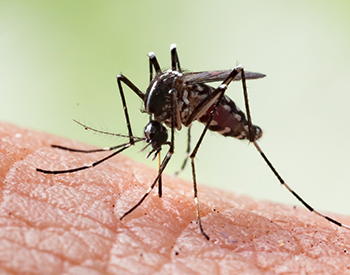
West Nile Disease is back in Galveston’s mosquitoes again! Biting insects such as mosquitoes and biting flies can make people miserable. Unfortunately some can make you ill. Mosquitoes are monitored to determine if they are carrying insect-transmitted illnesses such as West Nile Disease and Zika. West Nile Disease was detected in July this year in northwest Galveston County. Most infections of West Nile have no symptoms, one in five have a fever and some symptoms and less than 1% have very serious neurological illness. Here’s a refresher course in prevention.
There are many types of mosquitoes and over 80 different species live in Texas. Fortunately not all these species carry disease. Unfortunately the ones that do are usually tiny, their sting is usually unnoticed and they don't have that irritating buzz.
Mosquitoes zero in on carbon dioxide, a natural byproduct of breathing. They can sense this expired carbon dioxide from up to 100 feet away. Parents can take some concrete steps to protect their children without harming other beneficial insects such as bees.
First check your yard for cans, pails, or any container-like depression that may hold stagnant water. Dispose of these nuisances and fill in ditches and holes where mosquitoes breed.
Keep children indoors during early morning and evening hours. Dress children in light-colored long sleeves and long-legged clothing so that less skin is exposed. Mosquitoes and other bugs are drawn to floral scents, so change to an unscented soap; avoid perfumes or scented lotions and deodorants.
DEET functions to produce a vapor layer distasteful to mosquitoes extending about 1.5 inches above the skin. The product comes in concentrations of from less than 10 to 100%, so check the label on the product you choose. The American Academy of Pediatrics recommends that DEET should not be used on babies under the age of two months. Older children can use DEET concentrations up to 30%. The higher the concentration the longer it last. A percentage of 10% will last about 2 hours. Apply only to exposed skin but never put DEET around the eyes, lips or on hands and only once a day. Put repellant on your hands to apply to skin close to the face. Avoid pressurized sprays to avoid inhaling it. Avoid repellent candles that may trigger breathing problems. Wash your child’s skin with soap and water when they come inside. Unlike sunscreen more is not better. Do not use products that combine DEET and sunscreen.
Spray a product such as Cutter Outdoorsman Gear Guard containing permethrin—a derivative of the chrysanthemum flower—on sun caps, clothing, sleeping bags or tents if camping, but never on skin. The combination of the two will ward off most mosquitoes for four to six hours. Permethrin for clothes, DEET for skin.
Mosquito borne disease in this country is rare and rarely causes significant illnesses in children. Your child is in much greater danger when he skates or bikes or rides his scooter without proper protective gear or is unsupervised around water.
by Sally Robinson, MD Clinical Professor
Keeping Kids Healthy
Published 7/2026