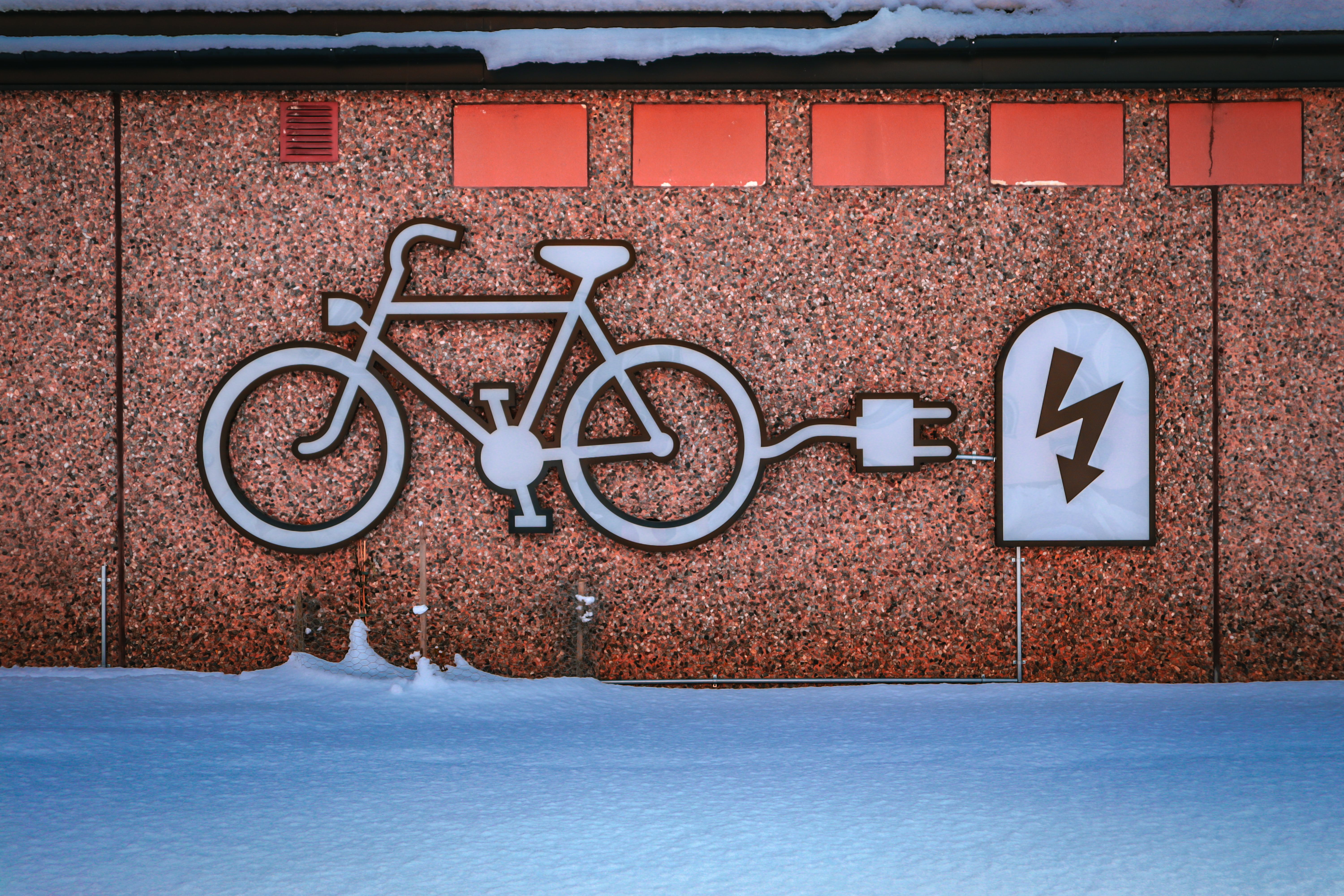
E-bikes are in the news. Many cities are trying to create ways to make safe spaces for pedestrians and wheeled methods of transportation such as e-bikes, e-scooters, even golf carts. The “E” stands for electricity, of course, and as batteries have become better, they are stronger and last longer. And they are quiet.
Healthychildren.org discusses that as e-bikes have become more popular there has been a rise in e-bike crashes. In fact, crashes have become the leading cause of injury for school-aged children seen in our emergency rooms. Some of these injuries are severe and like those seen in motorcycle crashes, including traumatic brain injury, facial injuries, broken bones and chest/abdominal injuries. E-bikes were reported as the reason for about 155, 200 ER visits and 301 deaths from 2017-2024. Findings from Truveta revealed that injury rates associated with e-bikes and e-scooters in children and teens surged 7.5-fold between January 2023 to May 2026. They are not going away.
E-bikes are faster, heavier and more powerful than traditional bicycles and this requires that children and teens need additional skills, maturity, and safety training before riding one. E-bikes look like regular bicycles, but they have an electric motor and a rechargeable battery that help power the bike.
There are three classes of bikes: Class 1 the bike motor that only works when the rider is pedaling and it can reach speeds up to 20 mph, Class 2 includes a throttle that allows the rider to use the bike motor with or without the pedaling. It can reach up to 20 mph. Class 3 may or may not have a throttle but can reach speeds up to 28 mph. (E-scooters speed ranges from 10-60 mph.)
E-bikes weigh between 35-70 pounds. E-scooters weigh between 25- 45 pounds.
Not every child who can ride a bicycle is ready to ride an e-bike. Healthychildren.org has several downloads for e-bike safety and your child’s readiness for parents considering buying one. The Consumer Product Safety Commission recommends that children aged 9 through 12 should not operate any product that travels faster than 10 mph. So, no e-bikes under 12 years.
As reviewed in the GCDN’s editorial, many cities are reviewing or making regulations about the use of electric vehicles, carts, bikes and scooters on public sidewalks, paths, busy streets, and rules for yielding to pedestrians. Both Dallas and Houston prohibit scooters on sidewalks. Austin requires helmets under 18 years of age. All require that they obey traffic laws.
The American Academy of Pediatrics recommends: Children, teens and their adult caregivers should always wear a sport-appropriate and correctly fitting sport helmet during participation in recreational sports, including, but not limited to, bicycling, snow sports, ice skating, and equestrian sports.
Galveston has many difficult decisions regulating “E” vehicles. Seawall sidewalk is a pedestrian walkway.
There are several consistent strong suggestions for avoiding severe injuries or death. Wear a helmet (starting with the tricycle); children should know and understand the rules of traffic; do not ride e-bikes or e-scooters on the sidewalk. Stay safe out there.
by Sally Robinson, MD Clinical Professor
Keeping Kids Healthy
Published 8/2026