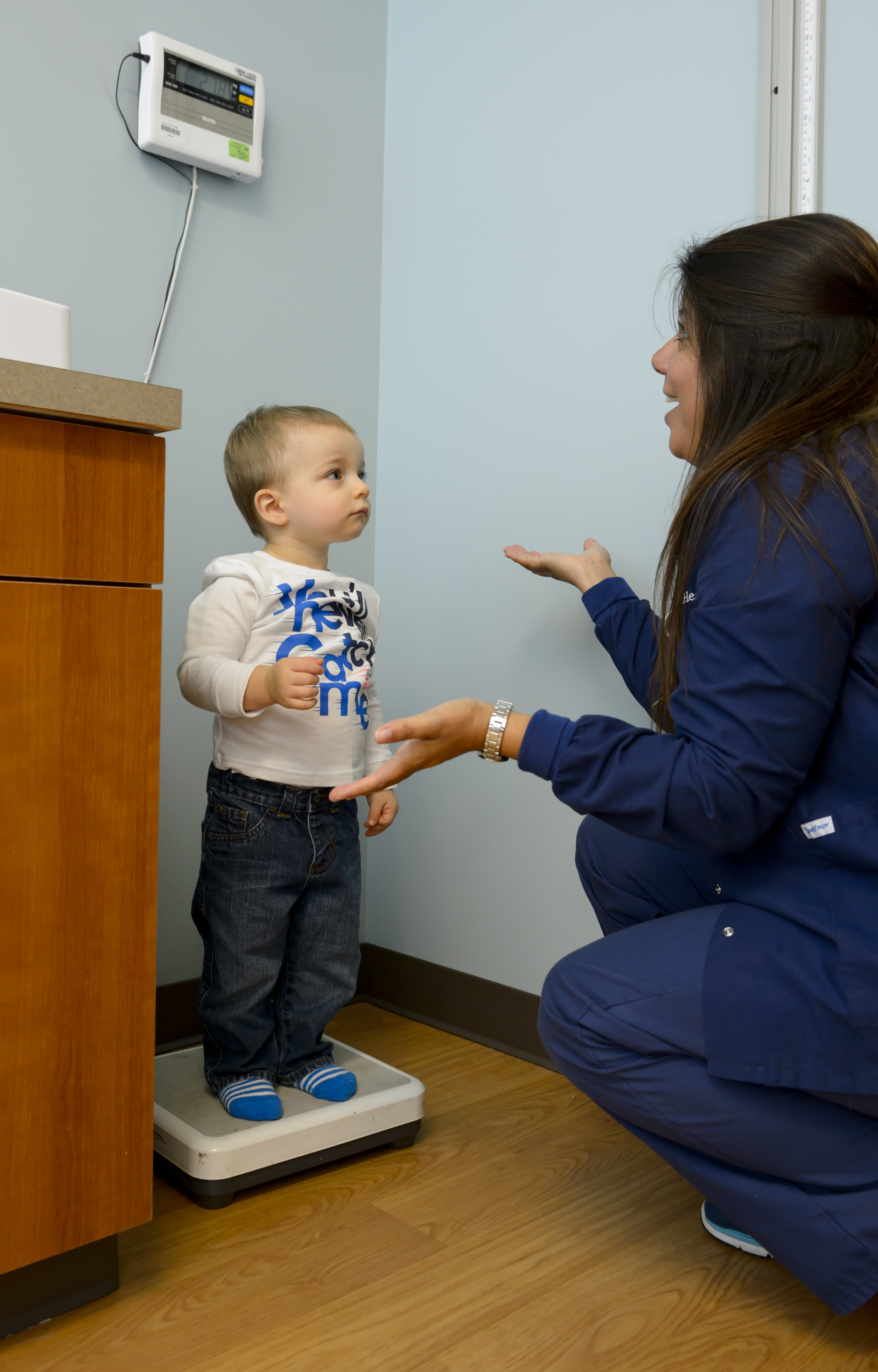
When we think about school nurses, we imagine a kind person putting a band-aid on a skinned knee. However, school nursing calls for a highly trained professional with multiple skills. They manage increasingly complex student needs, including chronic health conditions, communicable diseases, mental health concerns, medical and public health emergencies.
Lina Struthers was the first school nurse hired on October 1,1902, to see if she could help increase school attendance by using school-based health care and family outreach education about contagious diseases. This was so successful that a year later she had 12 school nurses.
124 years later the American Academy of Pediatrics is recommending that all US schools have at least one full-time nurse for every elementary, middle and high school campus. Unfortunately, in 2024 only 65% of US schools had a full-time nurse.
School nurses daily preform a large variety of tasks: Give medication to students, respond to seizures, allergic reactions, breathing difficulties, bleeding, and broken bones, coordinate care with pediatricians, hospitals, specialists, therapists and families. They help create written care plans for children with asthma, food allergies, diabetes, heart conditions and other chronic needs.
They are responsible for providing health screens such as hearing/vision screening. Frequent complaints of headaches or stomach problems may suggest the need for evaluation for anxiety or bullying/cyberbullying.
School nurses are also partners in identifying and supporting students with mental health concerns often becoming the first-line defense in the ongoing mental health problems that are occurring more frequently in teens and young Americans.
School nurses, in their many roles, are a very important part of insuring that students are healthy, safe and able to learn. In collaboration with families, local health care providers, community leaders, they provide an important bridge of healthy support. They are the main coordinator between home, school and community providers.
School nurses are funded differently in each state. Schools across the US continue to face difficult financial decisions with tight budgets and many demands for each dollar. Funding full-time nurses is difficult. Another important concern is the one TRILLION-dollar cut in Medicaid and Medicaid Services in the sweeping spending bill passed last year and going into effect after the midterm elections. These cuts could cause significant harm to pediatric healthcare. Children’s hospitals across the US are worried about the impact on their hospitals. It is estimated that more than half of their patients are covered by Medicaid. If a hospital for children closes even the rich child cannot get help. With the cuts in Medicaid insurance there will be more children without insurance and without routine health care. More work for the school nurse. There will be missed warning signs of physical/mental illness, delayed health screening, harder struggle to coordinate care, less time to support chronic conditions or time to face challenges of developing new systems for health records, referrals and communication.
School nurses are an important link in the complicated child health system in the US. Parents should argue that they are worth every penny.
Published 08/2026
Sally Robinson, MD
Clinical Professor
Keeping Kids Healthy
Also See:
UTMB Pediatrics |
Pediatric Primary Care |