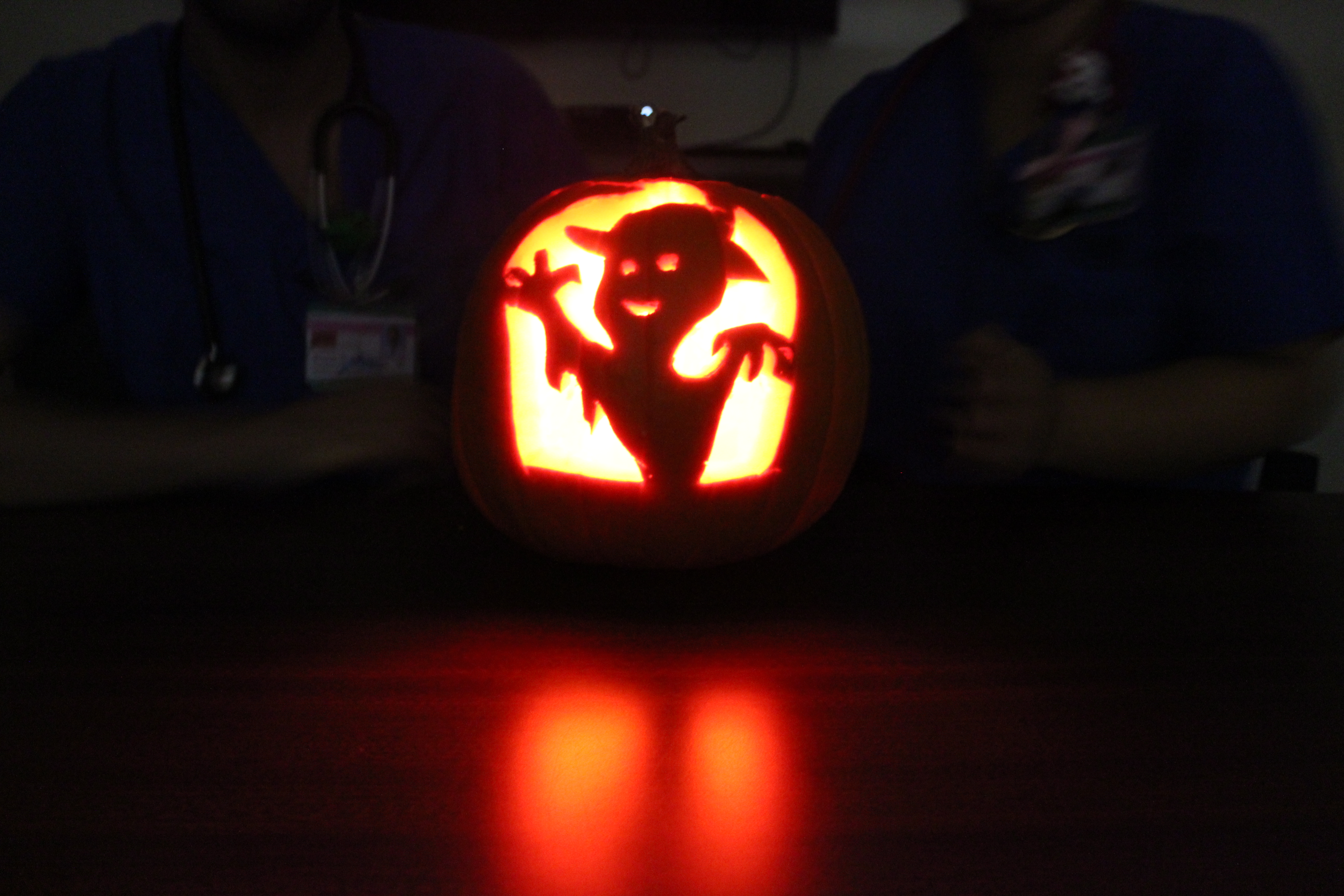
Around Halloween there are far too many horror films, and we are not talking about political ads. Why do some people love horror films? The first element of a “horror” movie is the sudden startle of danger, a loud noise such as an explosion, a flashing weapon, or tremendous bloody, bodily harm. The reaction is instantaneous, less than a millisecond, and is associated with increased heart rate, elevated cortisol, and an outpouring of emergency chemicals. This is followed by an understanding that it is “just a movie” and it is not harmful. This understanding occurs in the prefrontal cortex and requires some maturity to tell what is real and not real. If that understanding occurs while the person is watching, they can continue watching and enjoy the excitement of horror but not the fear.
Dr. Corinn Cross in healthychildren.org discusses how a parent can determine if their child should watch scary movies or games. Every child is different. Some like mild scares and suspense while others are terrified. Some movies and shows are designed to be spooky and playful. Gentle thrills can give children a chance to explore fears in a safe environment.
Dr. Cross suggests that first step is to look at the movie’s rating. A movie rated “G” or “PG” may have spooky scenes that are generally suitable for younger audiences while “PG-13” or “R” are more likely to be scarier and have either more violence or adult content. There is also an Electronic Software Ratings Board (ESHB) which gives ratings to the thousands of video games available.
It is also recommended that co-viewing with children is a good idea. Watching together gives the parents an opportunity to answer questions in the moment, to help you child separate fantasy from reality, notice signs that they are uncomfortable, turn off the content if it becomes too upsetting and to pause occasionally and ask the children watching how they are feeling. Questions such as “what do you think will happen next” or “Is any part of this too scary?” This can help children process what they are seeing and to learn what is real or not.
Some ways of determining whether the movie, video or game may have been too intense are trouble falling asleep, nightmares, increased worries or fears, clinginess, fear of being alone, avoiding certain places of activities, repeatedly talking about a certain, scary scene and increased anxiety or jumpiness.
Parents may not always realize what content video games have. Some include mature themes such as virtual violence and mature sexual content. Studies of children exposed to violent media have found that they may become numb to violence. If they’re heavily exposed to violence, children may also imitate it and show more aggressive behavior.
The American Academy of Pediatrics have stated that watching media violence can lead to more aggressive behavior, desensitization to violence, nightmares and a fear of being hurt, anger and hostile feelings and a decrease in empathy.
Help children learn what is real.
By Sally Robinson, MD Clinical Professor
Keeping Kids Healthy
Published 10/2026
Also See:
UTMB Pediatrics - Pediatric Primary Care
UTMB After Hours Urgent Care