It is an extremely difficult for parents, schoolteachers, counselors, medical personnel to keep up with all the variations of drugs, both street and regular pharmaceuticals, that we take for infections, blood pressure, heart disease, obesity, depression, energy. Everyday biochemists invent new combinations and variations of old medicines or products. There is even synthetic marijuana.
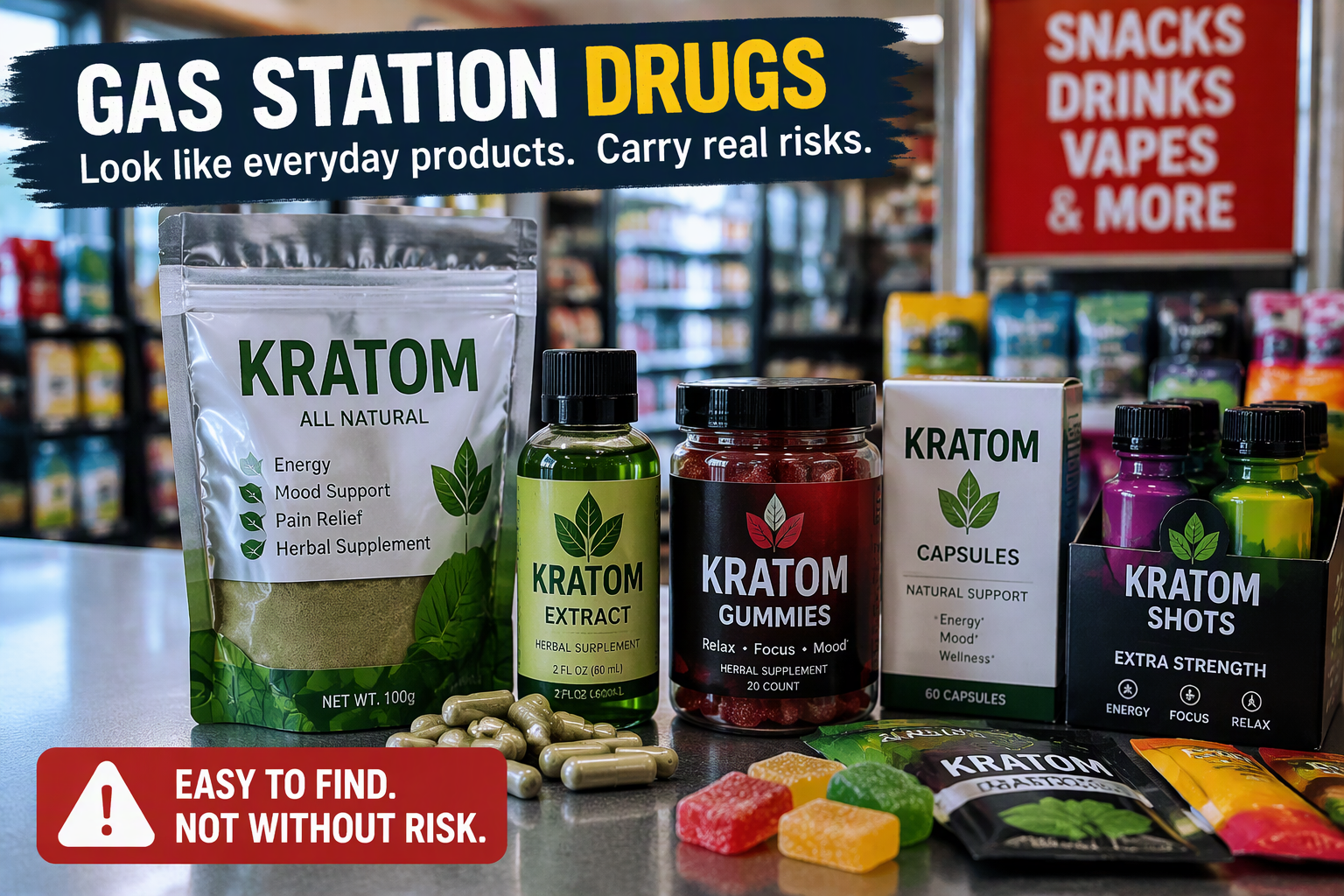
An example of a “natural” herbal extract is kratom. This extract comes from an evergreen tree that grows in Southeast Asia. It is sold as an energy booster, mood lifter, pain reliever and as a remedy for withdrawal from opioids.
Kratom is easier to get than prescription medicines, but it carries its own risk of addiction. Kratom’s known side effects are weight loss, dry mouth, nausea and vomiting, constipation, liver damage, muscle pain and high blood pressure. It also affects the mind and nervous system causing dizziness, visual and auditory hallucinations, false beliefs or delusions, depression, and trouble breathing. Kratom has been linked to a small number of deaths, but it is hard to know how much has been ingested as it is unregulated and it is frequently taken with other drugs.
You can buy Kratom at many gas stations, convenience stores and smoke shops where it is legal. It can be found as a powder, capsule, compressed tablets, gummies, or liquid extracts/tonics.
Kratom’s legal status varies significantly by state and local jurisdiction. It is legal and widely available in Texas but at least 11 states have banned or restricted it. It is not approved or regulated by the FDA. Gas station products lack federal quality standards, meaning potency, purity and active ingredient concentrations can vary widely and unpredictably.
Kratom is only one example of Gas Station Drugs and many more are being developed. Everyday new combinations of drugs are being manufactured, some legitimate some not, that need study to show they are a benefit and not harmful. This is a major job.
The US Food and Drug Administration (FDA) is the oldest comprehensive consumer protection agency in the US federal government. It began in 1848 using chemical analysis to monitor agriculture product safety, in 1906 Teddy Roosevelt signs the pure food and Drugs Act to prohibit interstate commerce in adulterated and misbranded food and drugs, in 1938 a law required new drugs to be proven safe before marketing, in 1962 after the thalidomide tragedy, the law required drug manufacturer to prove not only safety but efficacy before approval and marketing.
Today the FDA is a federal agency within the US Department of Health and Human Services responsible for protecting and advancing public health. Since the start of 2025 the FDA has lost over 4300 employees (a 20% reduction in workforce) due to mass layoffs, reductions in force and departures. Part of making our children healthy will be to adequately fund the FDA so they can prevent distribution of dangerous drugs and educate the public so they can protect their children.
Sally Robinson, MD Clinical Professor
UTMB Pediatrics - Children's Complex Care
Also see: Pediatric Primary Care