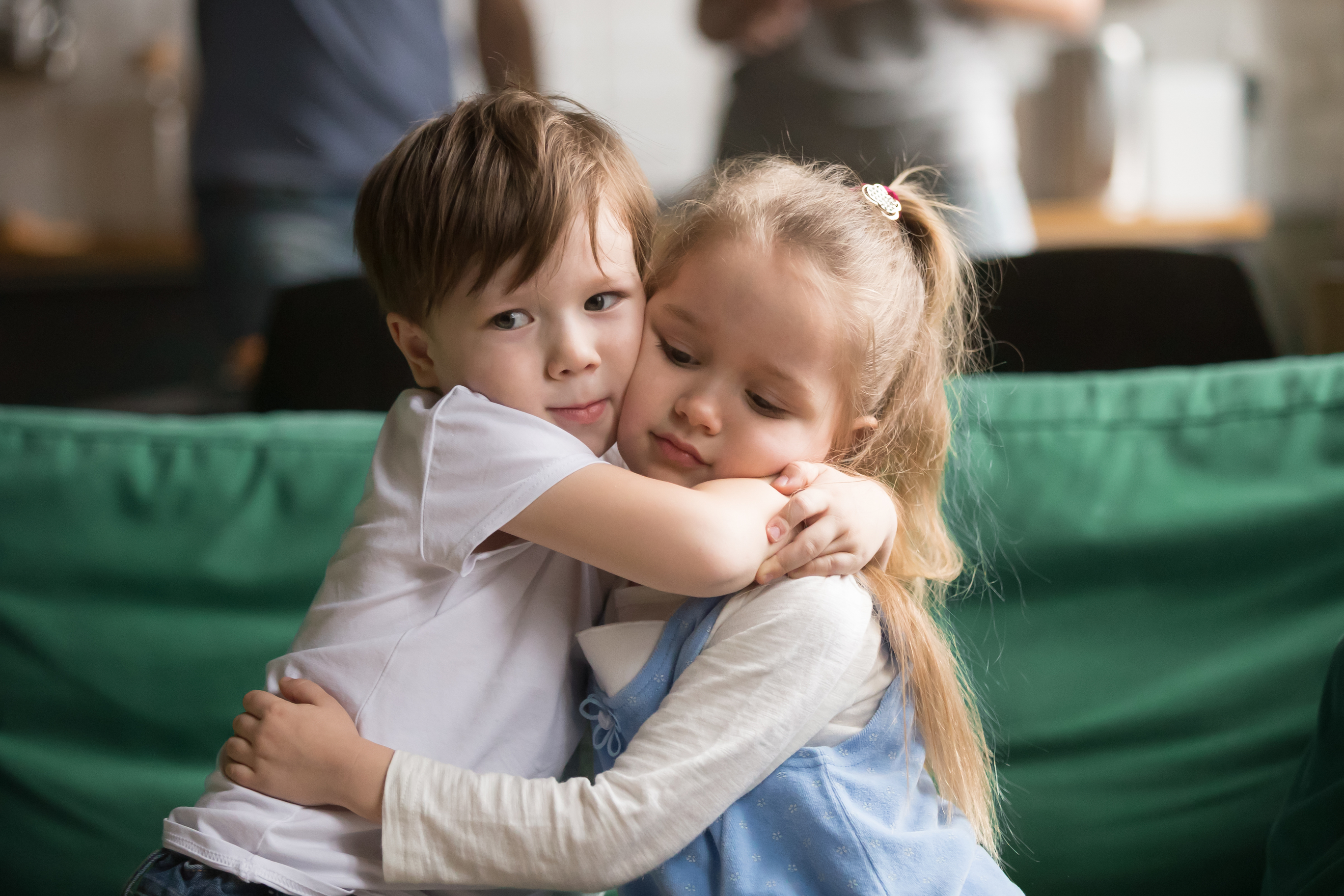
Temper tantrums are so normal in human development that we have expressions to describe them such as “The Terrible Twos”. Toddlers/preschoolers lack the self-control to express anger peacefully and may lash out by screaming, throwing, hitting and biting in their frustration. It is interesting that temper tantrums have been noted in some primate species but is not a behavior commonly seen in the animal kingdom. Is there an evolutionary benefit of tantrums?
Occasional outbursts are normal in young children and there are things caregivers can do to help shape their response to frustration. First is to recognize children need to be taught the rules and expectations of social behavior. Kicking, hitting, pinching, biting are NEVER acceptable. Saying “no” needs to be firm but not angry. Children model the behavior of their parents. They need to learn to express their anger through words. It is harder to complement their behavior when they behave in appropriate ways. To be most effective, positive reinforcement should take place on an ongoing basis. Good peaceful interacting with others their age should be frequently observed and praised, as it happens... “Great job” in helping or sharing or being kind.
Adults need to control their own tempers and model their anger in quiet, peaceful ways. Healthychildren.org suggest that while watching children play if you observe a dispute, keep your distance and allow them to work it out. However, if the disagreement becomes physical, the children should be separated until they have calmed down. It doesn’t matter who started it. They should be told that there is no excuse for trying to hurt each other.
Some children are unusually aggressive. If a caregiver feels the situation is out of control contact your pediatrician. Warning signs are physical injury to themselves or others, attacks on you or other adults, being sent home or barred from play by neighbors or school and fear for the safety of those around them.
One of the most common referrals of children to mental health professionals is for aggressive behavior. As information from studies of genes and their role in behavior increases, so does the understanding about the role neurotransmitters play in irritability and severe temper tantrums in children. Serotonin and dopamine are the main players. Low serotonin levels make anger management harder and can lead to poor impulse control. Dopamine is associated with pleasure and motivation, but a sudden drop can lead to irritability and resentment.
Numerous studies have seen that angry aggressive behavior tends to run in families. There are numerous environmental factors, before birth and after birth, such as poverty, abuse, parenting styles, trauma, parental psychiatric disorders, etc. that may influence the effect of genes on aggressive behaviors. There are numerous medications that can help stabilize the child with symptoms of irritability, aggression or poor impulse control.
Extreme and persistent childhood aggression is a public health concern. It is exciting that the study of genes affecting neurotransmitters can lead to finding the most effective treatment for the individual patient.
By Sally Robinson
Sally Robinson, MD Clinical Professor
Keeping Kids Healthy
12/2025
Also See:
UTMB Pediatrics |
Pediatric Primary Care
Guide for parents: biglifejournal.com/blogs/blog/key-strategies-teach-children-empathy