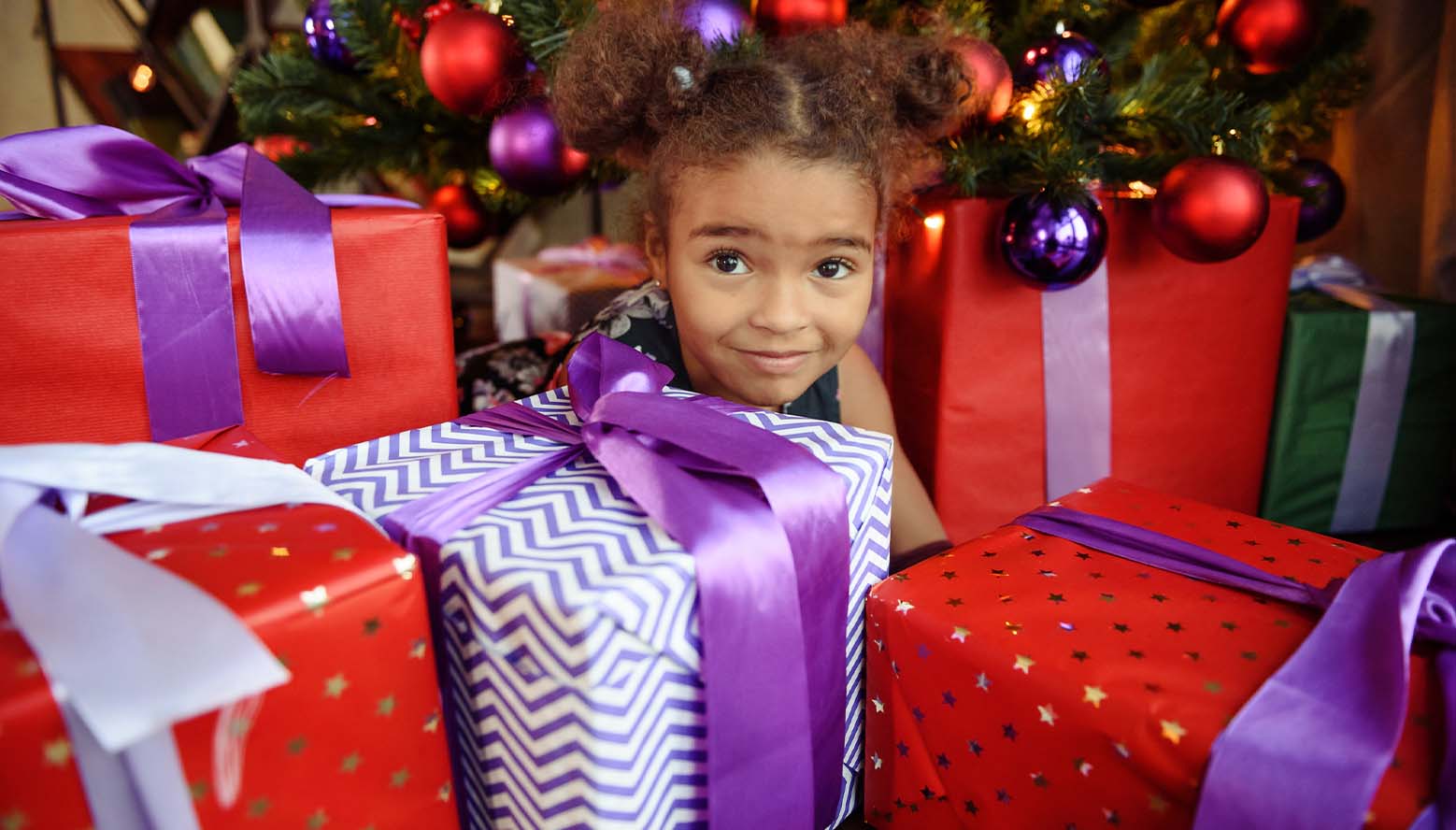
Much of the holiday season is about gifts. Giving gifts and getting gifts. It is a hugely profitable time for many markets, and advertising is relentless. Many years ago, I watched a group of teenagers paint a large banner reading “it is better to receive than to give”. Nobody noticed that it did not quote the saying attributed to Jesus but most likely what they really felt until it was hung.
Giving a gift that is thoughtful and caring does make the giver feel good. There is actually “brain science” with evidence from brain imaging that suggest that both the giving of gifts and the receiving of gifts activate areas in our brain associated with reward and pleasure. These brain regions also stimulate dopamine. Psychology and neuroscience suggest that giving gifts to other people can be very rewarding and can bring happiness to ourselves and others.
The receiver of a thoughtful gift knows that they are valued and important. A gift can offer comfort, reduce anxiety, and make the receiver of the gift feel cared for. The giver also experiences pleasure from the release of chemicals such as oxytocin, endorphins and serotonin from the pleasure centers in the brain. This contributes to lower blood pressure, reduces aggression and increases sociability.
Dr. Jessica-Andrews Hanna from the University of Arizona writes that “Giving the perfect gift involves a process called perspective-taking, where we might mentally put ourselves in another person’s shoes and imagine what would bring us happiness if we were that person. This thought process creates a kind of empathy. Regardless of whether people receive the “perfect’ gift, for many people, it is the thought that counts.
Children learn by example. They learn by watching and listening. Communication is more than telling other people what we want. It’s about connecting in a mindful manner, sharing and reading emotions. Trying to see situations from someone else’s perspective and helping with their problems. It is helpful to have them imagine what someone else is feeling in a storybook or TV show.
Healthychildren.org discussing sharing writes that ”listening is hard”. It requires that the adults stop paying attention to their own interests and lists of things to be done and think about what the other person is experiencing. Learning to share is an important part of gift giving, of learning about the feelings of another person and becoming a thoughtful, empathetic, good citizen. Children’s brains are not developed enough to learn about sharing until about 3.5 to 4 years old. Even if sharing requires children reaching certain cognitive and emotional milestones, you can begins by modeling sharing, “would you like to share my orange?”, by practicing taking turns and counting, by creating a ‘sharing basket’ into which the toddler can pick the toys for sharing, putting away special toys the child does not wish to share and help children to come up with their own sharing solutions.
Adults should model their sharing and be sure to mention this sharing. Praise whenever sharing occurs.
UTMB Pediatrics
Sally Robinson MD
Dec 2023