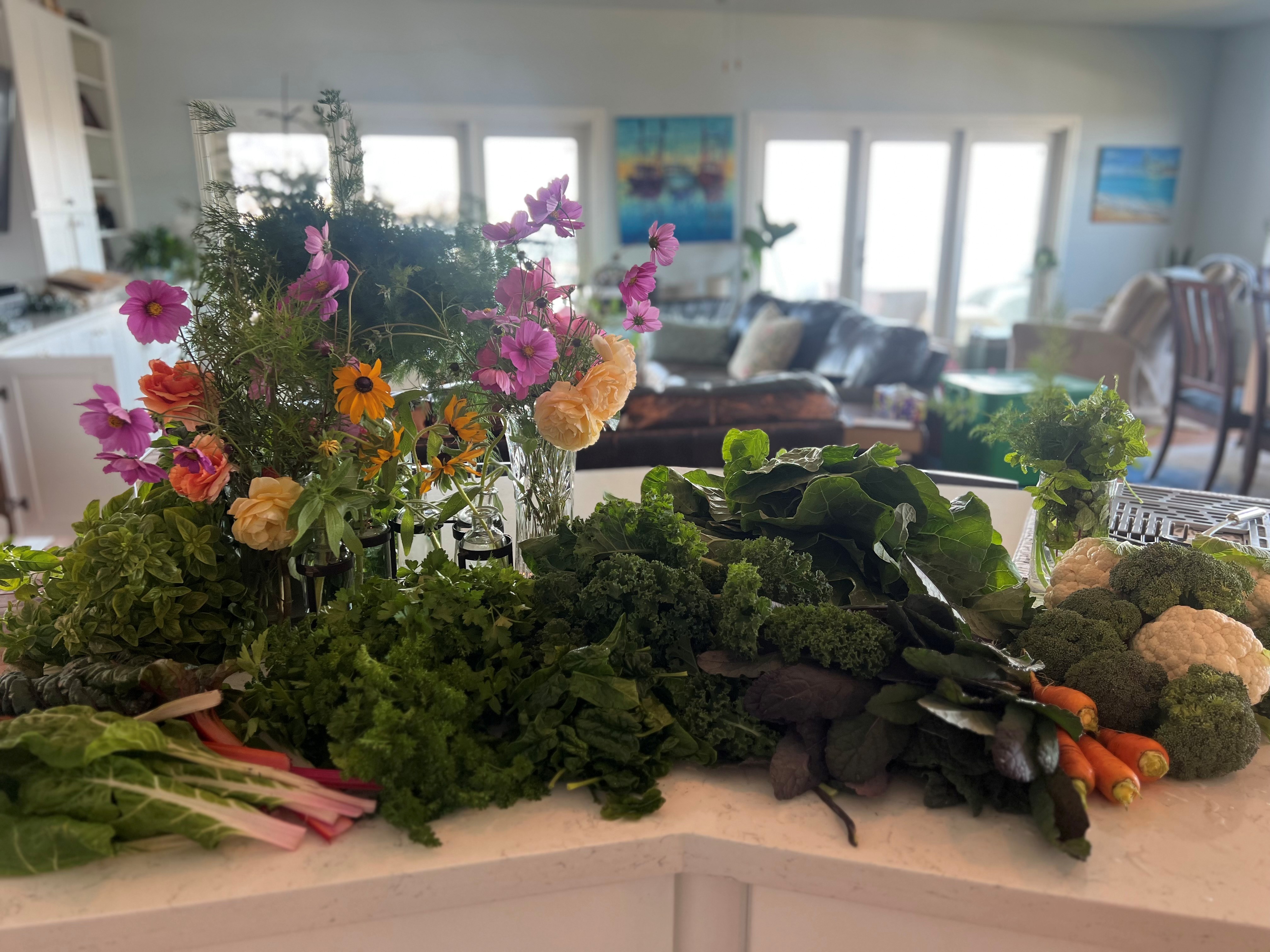
It is an embarrassment that 1 in 5 children in the US don’t get enough to eat on a regular basis. Drs. Kimberly Montez and Kofi Essel discuss hunger in healthychildren.org. As we know, the winter holidays took place to celebrate the completion of harvesting food. Even with all the technology of growing and preserving food, millions of children living in the US go hungry.
The anti-hunger nonprofit Feeding American reports that 100% of US counties have residents who regularly go hungry, including almost 14 million children.
Hunger can harm a child’s growth and increase the risks of worsening illnesses, including asthma and anemia. Studies have shown that grades and test scores drop when the child is hungry, lessening their chance for future school. Children who do better in school find it easier to stay out of trouble and are less likely to experience depression.
Children might not get enough to eat when their parents lose their jobs or earn too little to cover grocery costs or school is out or rising costs for rent, utilities, childcare slice into the food budget. Almost half of US adults say they couldn’t cover a $1,000 emergency expense (a broken arm), showing how a single problem could lead to hunger.
Fighting hunger is a huge task. But every family with enough to eat can consider helping other neighbors who may need a hand. Taking action to fight hunger fosters kindness and serves as a reminder that food connects us. It’s a way for all the family to show care, deepen friendships and express belonging. Consider taking the SNAP Challenge (https://frac.org/snap-challenge-2025) to better understand what families who receive food assistance face. A SNAP benefit is $6 per day per person. You can buy any food or non-alcoholic beverage except hot food. Ask your child to help fill a grocery cart using the average SNAP benefit. It’s a great way to practice math and a great way to teach empathy. It is suggested that those taking the challenge try it for three days.
Children, ages 4 to 6, may be worried about hungry children which should be explained that it is OK to feel sad or worried, but it is good to try to be helpful so other children can feel OK and do their best. Children, ages 7 to 12, can talk about the stigma of getting a free lunch and having to worry about how other children will make fun of them. Teens should be encouraged to consider the problem and work for solutions.
Positive solutions may include food drives for organizations like the Salvation Army. Many organizations have community kitchens for cooking and serving meals. Meals-on-Wheels deliver food to homebound people and are always in need of volunteers. Food banks and other local anti-hunger programs welcome volunteers to sort and package food, to tend community gardens or to find less than perfect fruits and vegetables to share. Maybe grocery stores could provide easy recipes for a less expensive preparation of healthy foods.
Sally Robinson MD
Jan 2026
Have a healthy, happy New Year
A google search on 1/9/26 turns up the following resources in Galveston
Key Organizations & Programs
- Galveston County Food Bank (GCFB): The central hub, supporting partner pantries, running mobile pantries (check their calendar), and providing food for homebound seniors and kids.
- Catholic Charities Beacon of Hope: Offers a grocery-style food pantry (Isle Market) for dignity of choice, plus case management.
- St. Vincent's House: Feeds over 1,000 individuals weekly through food drives and distributions, providing essentials.
- Chosen Ones Ministry (COM): Provides food, clothing, and outreach for seniors, homeless, and others, focusing on empowerment.
- StreetScape Ministries: A new initiative offering daily meals, showers, laundry, a pantry, and a community garden near 37th & Church.
- Living Faith Outreach (LFO): Offers monthly drive-thru food distribution with spiritual support.