Food allergies happen when the body reacts against a harmless protein found in foods. These proteins are called allergens. Food allergy reactions can vary from mild to severe, even life threatening. Healthychildren.org has a helpful discussion about them.
Food allergies are most common in babies and children but can occur at any age. They also occur more often in children who have other allergies.
Any food could cause a food allergy, but most are caused by the following: cow’s milk, eggs, peanuts, soy, wheat, nuts from trees, fish and shellfish, and sesame. The most severe reactions come from peanuts, nuts, milk and sesame. They can also come from other foods such as meats, fruit, vegetables and grains. Sometimes the child may be allergic to peanuts (a type of bean) but not to other beans such as soybeans or green beans.
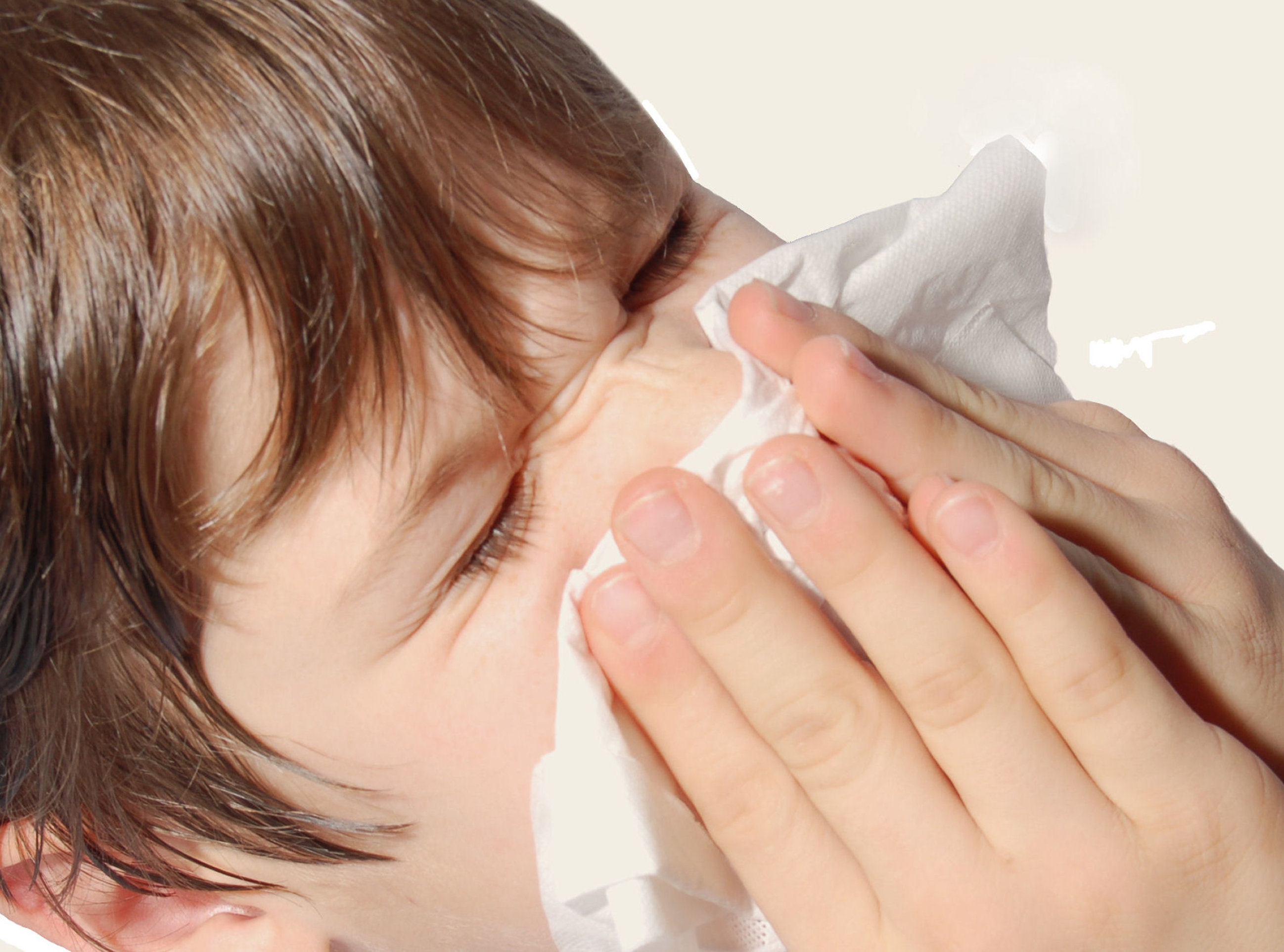
Symptoms can develop after eating, inhaling or contact with the particular food. The symptoms can involve the Skin; hives, itchy skin rashes, swelling, Breathing; sneezing, wheezing, throat tightness, coughing, congested, runny nose, Stomach/GI; nausea, vomiting, diarrhea, pain and cramps, trouble swallowing and Circulation symptoms; paleness, light-headed, chest pain, feeling faint, loss of consciousness.
Symptoms in babies may also include eye rubbing, repetitively sticking the tongue out, excessive crying, arching the back and decreased muscle tone.
Food allergies are diagnosed by a detailed history of which food was ingested, how long after eating the symptoms occurred, how severe they were, and how long did they last. Allergy tests, skin or blood tests, may be helpful but they may be positive with no reactions when eating the suspected food or negative while still causing a reaction.
Avoiding foods that contain a known allergen helps avoid an allergic reaction. There are treatments that can help prevent allergic reactions, medication and desensitizing treatments. These treatments can be prescribed by an allergist/immunologist.
Food allergy reactions can be fatal when there is anaphylaxes, a condition that can occur within minutes when the body reacts to something they have become allergic to such as peanuts or bee stings. The body’s immune system releases a flood of chemicals that can cause the body to go into shock. Blood pressure drops suddenly and the airway gets narrow, blocking breathing. Signs and symptoms include a rapid, weak pulse, sometimes a skin rash, nausea and vomiting. Treatment is an injection or nasal spray of epinephrine, followed by calling the 911 for the ER and further treatment.
Not all reactions to food are caused by the same chemical reactions. The most common happens when the body makes a special protein antibody called immunoglobulin E (IgE) that reacts with certain foods. These usually happen quickly within minutes or a few hours. Other reactions don’t use the IgE protein and take longer to show up, sometimes days later. Examples of these kinds of reactions include food protein-induced enterocolitis syndrome (FPIES) which affects babies and young children with symptoms of vomiting and diarrhea.
Sometimes the diagnosis and management may be referred to an allergist.
by Sally Robinson, MD
Clinical Professor of Pediatrics
Keeping Kids Healthy - UTMB Health Pediatrics
Published February 2026