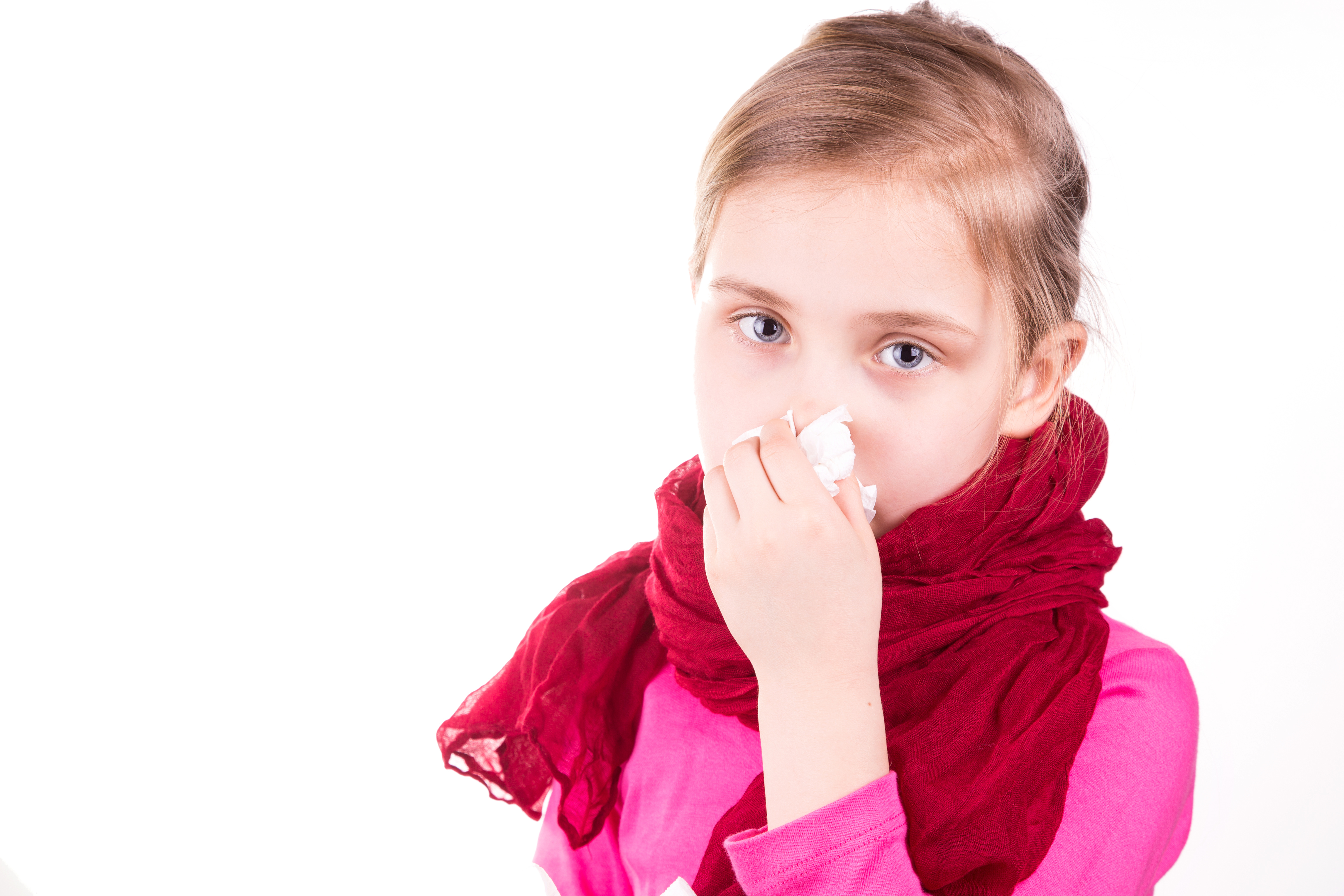
An age-old problem that parents face is when to keep your child home from school. It is really a very complicated problem requiring answers to several questions. First, the most basic question is, is he sick or faking? It is not unusual for children to complain of headaches or stomachaches. This may be because of boredom with school or anxiety about academic or social problems but not a contagious illness.
Things to consider is if they have a fever over 101 degrees Fahrenheit within the past 24 hours on no fever medication. (The most accurate way to take a child's temperature is rectally for children under 3 years old, while temporal artery (forehead) scans are highly accurate for all ages.) Concern about the possibility of infecting classmates should contribute to the decision about keeping a child at home.
If there is difficulty breathing, wheezing or sudden high fever, school is not a consideration, but medical attention is. It is safe to send a child to school with a cough/sneezing if they have seasonal allergies. If associated with fever it may be something more serious like pneumonia or flu.
If the child has vomiting or diarrhea within the past 24 hours they should stay home. However, if there are chronic medical conditions associated with loose stools a note from the doctor about the condition may help with school attendance. In both school and day care settings rigid standards for hygiene with diaper changes are essential.
If a parent feels their child is not well enough to participate in class, they should stay home. If “not feeling good” is longer than 24 hours, medical assistance would be helpful to determine the reason they are not feeling good.
If the fever is gone and the child is feeling better, they may still have a runny nose or congestion. Attendance may depend on the school’s policies but usually they can return to school.
“Pink eye” may be caused by seasonal allergies, viruses or bacteria. Both viral and bacterial ”pink eye” are contagious like the common cold. If determined to be bacterial, usually the child can return to school after 24 hours of treatment. For viral infections they may return if the child’s eyes are not draining and irritating and they can practice good hand washing and keep their hands away from their eyes. Schools have various guidelines and it would be helpful to talk to the school nurse about returning to school. Although rare, some causes of eye infections can be serious and medical attention is needed.
If the decision is made that the child should stay at home the next problem is who can take care of the child. Exposure of unimmunized family members may make them sick. Parents may have difficulty missing work and if unimmunized they may also get sick. There are numerous recommended vaccinations that can prevent both serious viral and bacterial illnesses that can help keep the entire family safe.
Sally Robinson, MD Clinical Professor
Keeping Kids Healthy
02/2026
Also See: UTMB Pediatrics -
Pediatric Primary Care